Monday the 27th of January 2020 is an important day, as it marks 75 years since the liberation of Auschwitz. It is a day where we remember those who have lost their lives to tyranny, intolerance and persecution, and we vow that as a global community we will never let a tragedy like the holocaust happen again.
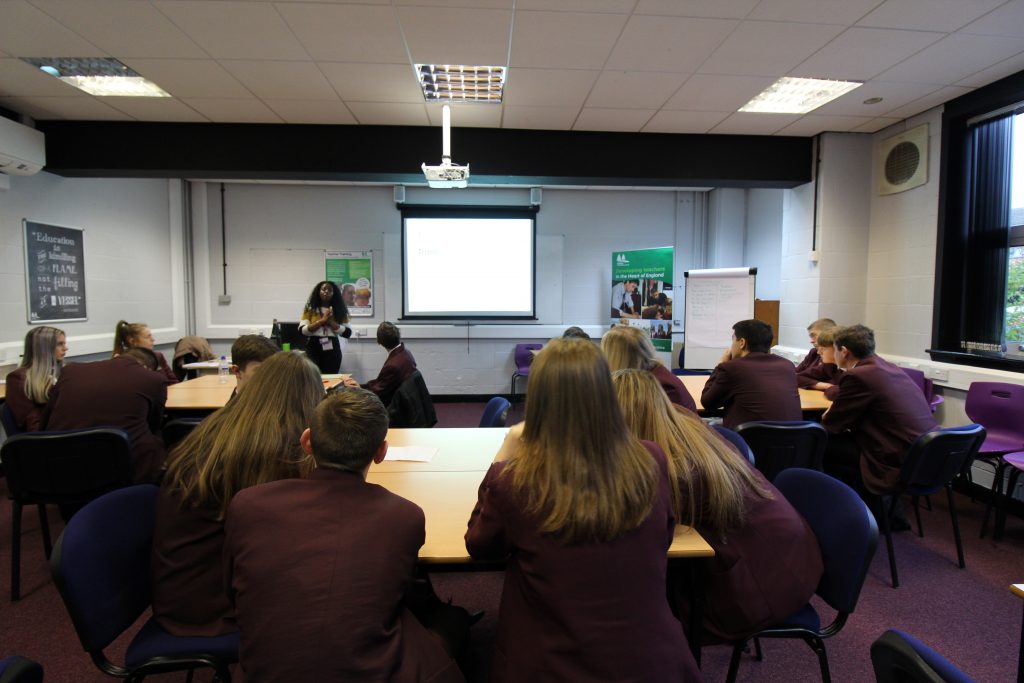
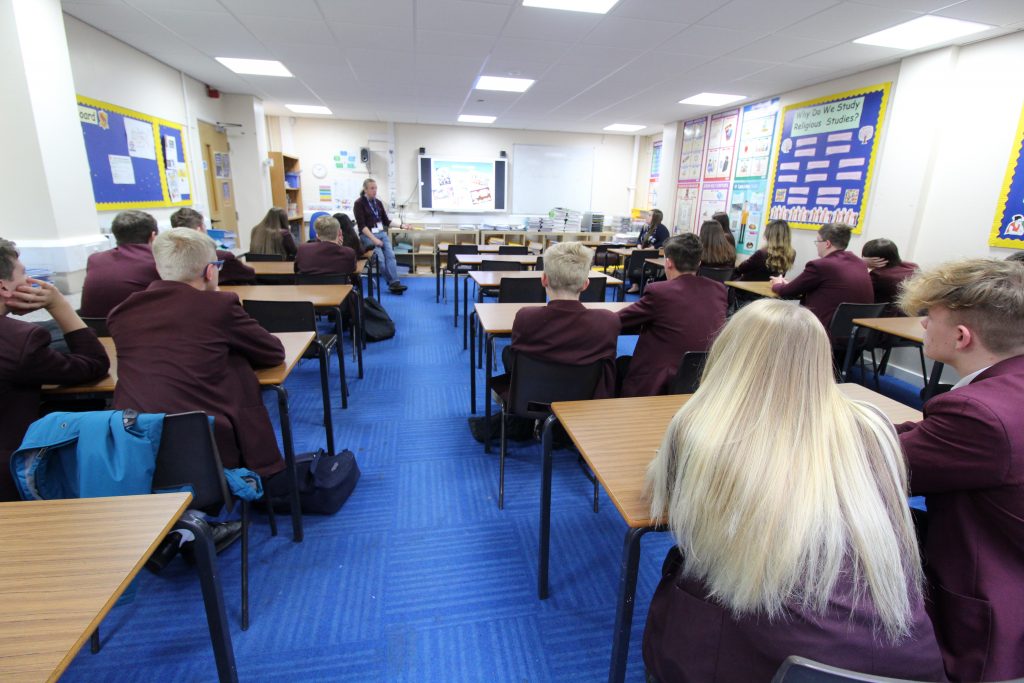
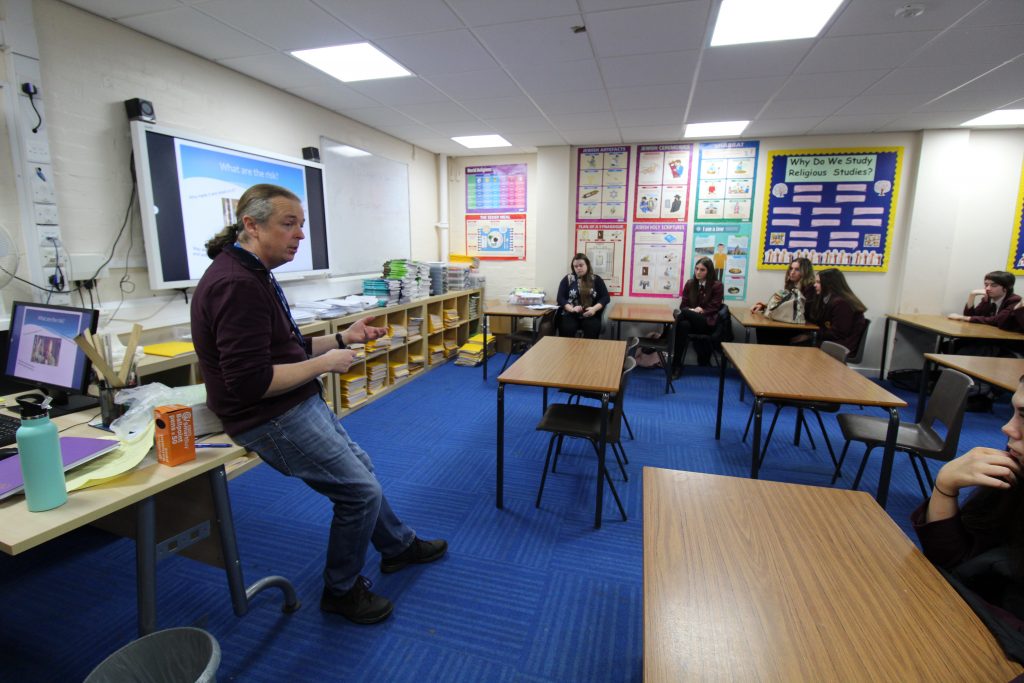
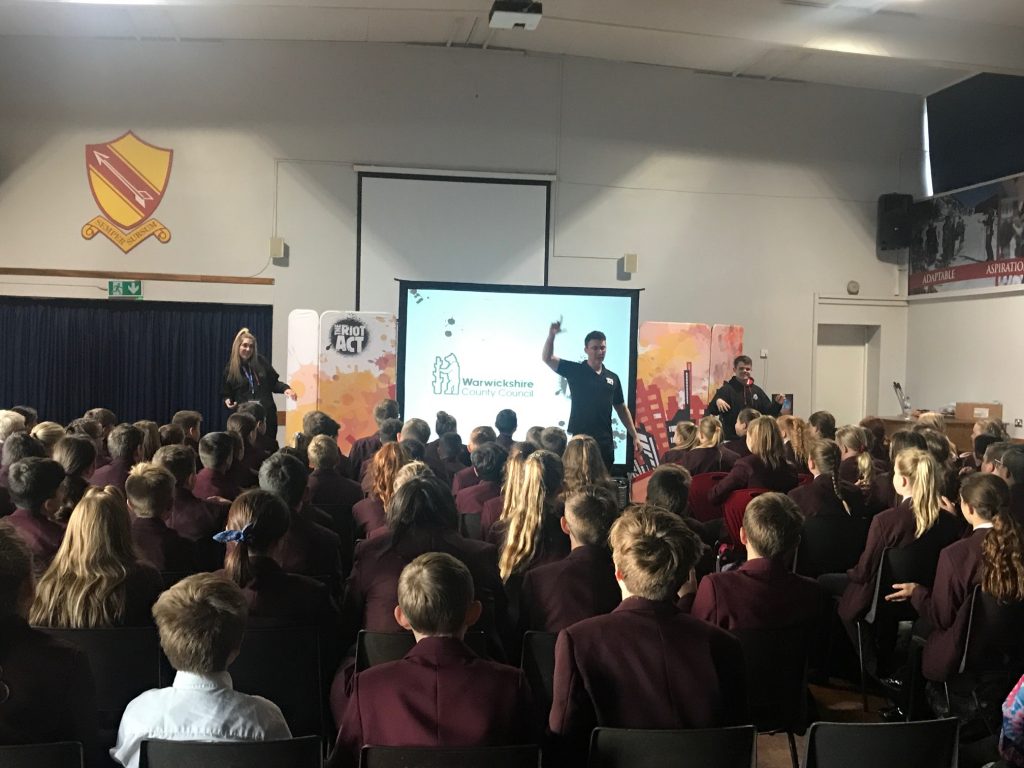
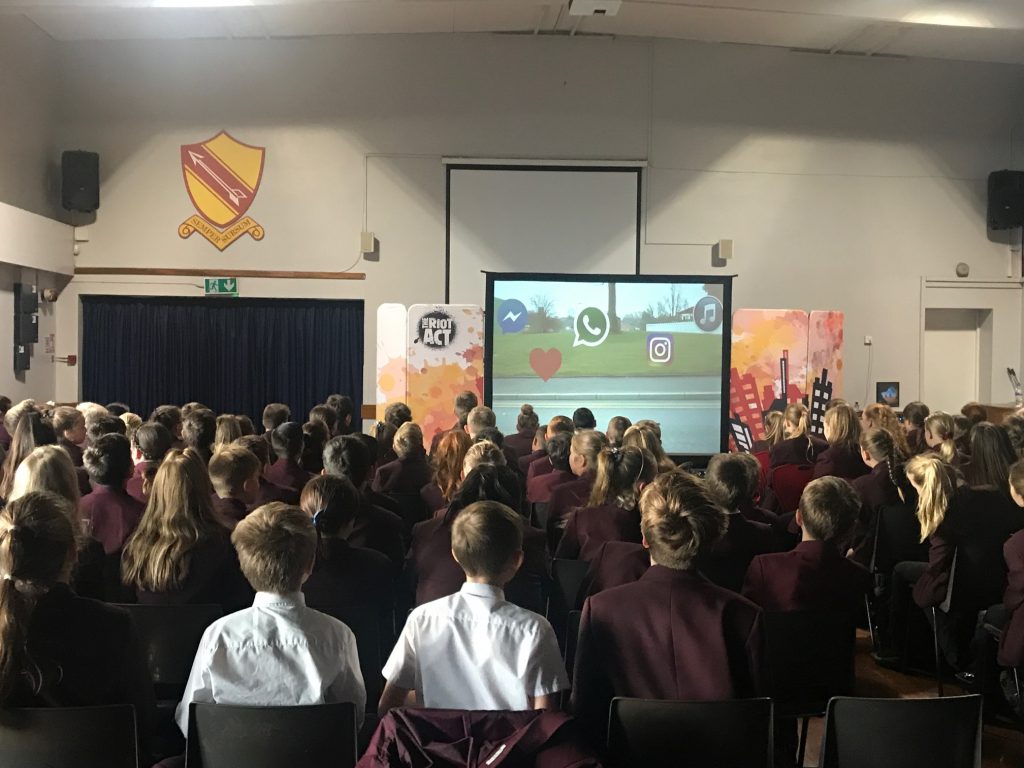
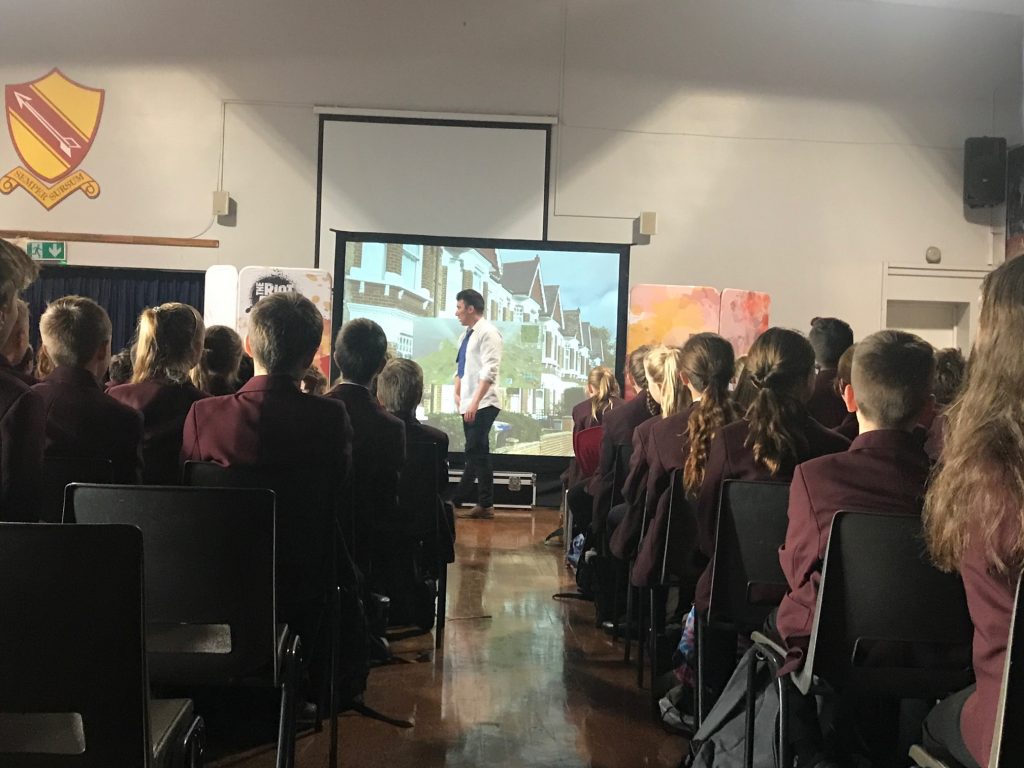
It is a deeply personal issue for me, and last week I delivered assemblies to all Studley High pupils about holocaust memorial day and why it still matters that we remember the victims, so long after the event. It matters to me because the holocaust is the story of my family. A family that was torn apart by injustice and cruelty.
75 years ago, Auschwitz was not the only camp to be liberated. There were 20 concentration camps in total; and whilst Auschwitz is the most famous, it is not alone in it’s brutality. I know this because on May 5th 1945, American troops arrived in Austria and liberated Mauthausen, and amongst the people freed that day was my grandfather. This is his story.
Kazimierz Blazak was born in 1906 and grew up in a Szubin, a small village in the North of Poland. He had four brothers and three sisters, and after completing a university degree in horticulture, he returned to Szubin and became manager of the local dairy farm.
The dairy farm was the biggest employer in Szubin and when the Nazis invaded Poland, he was arrested along with 4 other high profile figures in the village (the doctor, the dentist, the teacher and the solicitor) and they were put on trial. The crime they were accused of was “breeding cattle that would attack Germans but leave Polish people alone”, and they were all convicted on the testimony of one witness who was told exactly what to say. The result of the trial was determined before they ever stepped inside the courtroom.
They were sentenced to imprisonment in Mauthausen, a concentration camp that had a reputation of being more violent and inhumane than Auschwitz. It was nicknamed “The Bone Mill” by the Nazi soldiers. Mass starvation, 16 hours of forced labour every day carrying heavy blocks of stone up a staircase of over 100 steps, only to be sent straight back down to do it again, and all of this whilst the guards were taking shots with their pistols and murdering people at random as they went past.
190,000 people walked through the gates of Mauthausen but only 90,000 came back out alive. There were various ways you could be tortured or killed in the camp. My grandfather had a nail hammered into his stomach, puncturing a lung and was fortunate to survive Tuberculosis with no treatment. He didn’t even miss a day of work, because prisoners who were too sick to work, were taken outside, stripped, hosed down and then left to freeze to death.
Mauthausen also had gas chambers, where huge numbers of people were murdered, and a camp doctor who was one of the top three on the FBI’s most wanted war criminals list after the war ended. His name was Aribert Heim and his crimes included experimenting with injecting petrol and orange juice into people’s hearts to see which one killed them fastest, operations to remove internal organs (for no medical reason) with no anaesthetic and “patients” left to die on the table and numerous other atrocities. When the American soldiers liberated the camp, they found his office was decorated with lampshades and cushion covers made of human skin. He had even turned the skin of the prisoners into car seat covers and similar items and given them as gifts to other high ranking SS officers.
After the liberation of Mauthausen, Kazimierz spent some time running a camp for wounded allied servicemen, served in the American army (who presumably he felt he owed a debt to, for liberating him from Mauthausen) before settling in the UK. He was one of the first non-Jewish people in the world to successfully sue the german government for compensation for the horrors he had faced. He died peacefully, of natural causes in 1971.
His family had been decimated by the holocaust. His father and one of his four brothers were murdered six days after the Nazi invasion of Poland. The resistance in the village had blown up a Nazi car with three officers inside. The Nazis did not know who was responsible so took 33 innocent men, totally at random, led them to the town square and made them dig their own graves in front of the entire village before executing them one by one.
Another brother had been part of the resistance and was caught and executed in a similar manner two months later. Six months after that a third brother was killed, he was a Polish soldier and was massacred by Soviet forces at Katyn. The final brother was neither killed nor imprisoned, and was cut off by the family. Nobody has ever really spoken of it, but it seems to be fairly clear that he was actually feeding information to the Nazis and collaborating with them.
A family of ten people. Two parents, five brothers and three sisters. Every single male in the family had either been murdered, tortured or exiled from the family within a few years. A close family, all living in the same village, totally destroyed. Ripped apart at the seams by the violence and terror of the holocaust.
But that is just the story of one family. My family. There were 11 million victims of the holocaust. 11 million families decimated just like mine. 6 million of the victims murdered because of their Jewish faith, and 5 million more for their political beliefs, sexuality, disability or a number of other reasons.
The liberation of the concentration camps was not the end of the holocaust. The survivors lived with what they had seen every single day of their lives, and there have been several instances of genocide since the second world war ended.
30 years after Auschwitz and the other camps were liberated, the Khmer Rouge murdered 3 million innocent people in Cambodia. In 1991 800,000 people lost their lives as a result of being born into the wrong tribe in Rwanda. Since 2003, 500,000 people have been murdered in Darfur in another genocide.
The story of the holocaust is horrific, but it is not the only story that needs to be heard. On Monday, we will gather to remember all those who have lost their lives to genocide across the world, and make a renewed vow that this will never happen again.
https://www.mauthausen-memorial.org/en/History/The-Mauthausen-Concentration-Camp-19381945 for more info.
Mr T Blazak
Geography