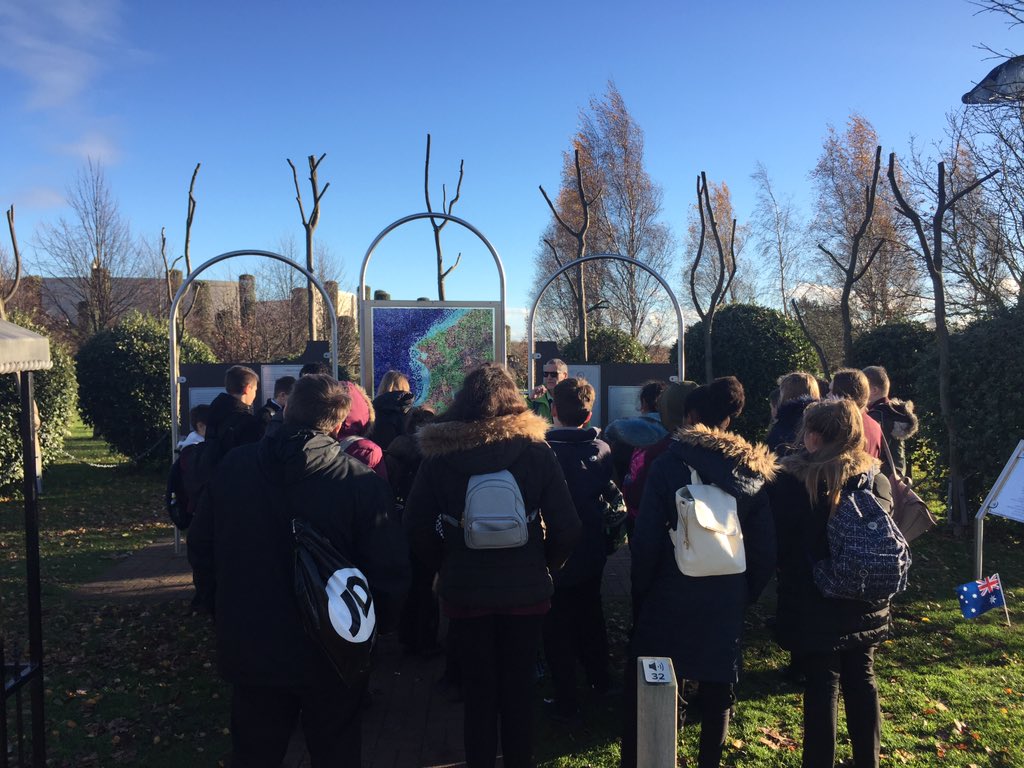
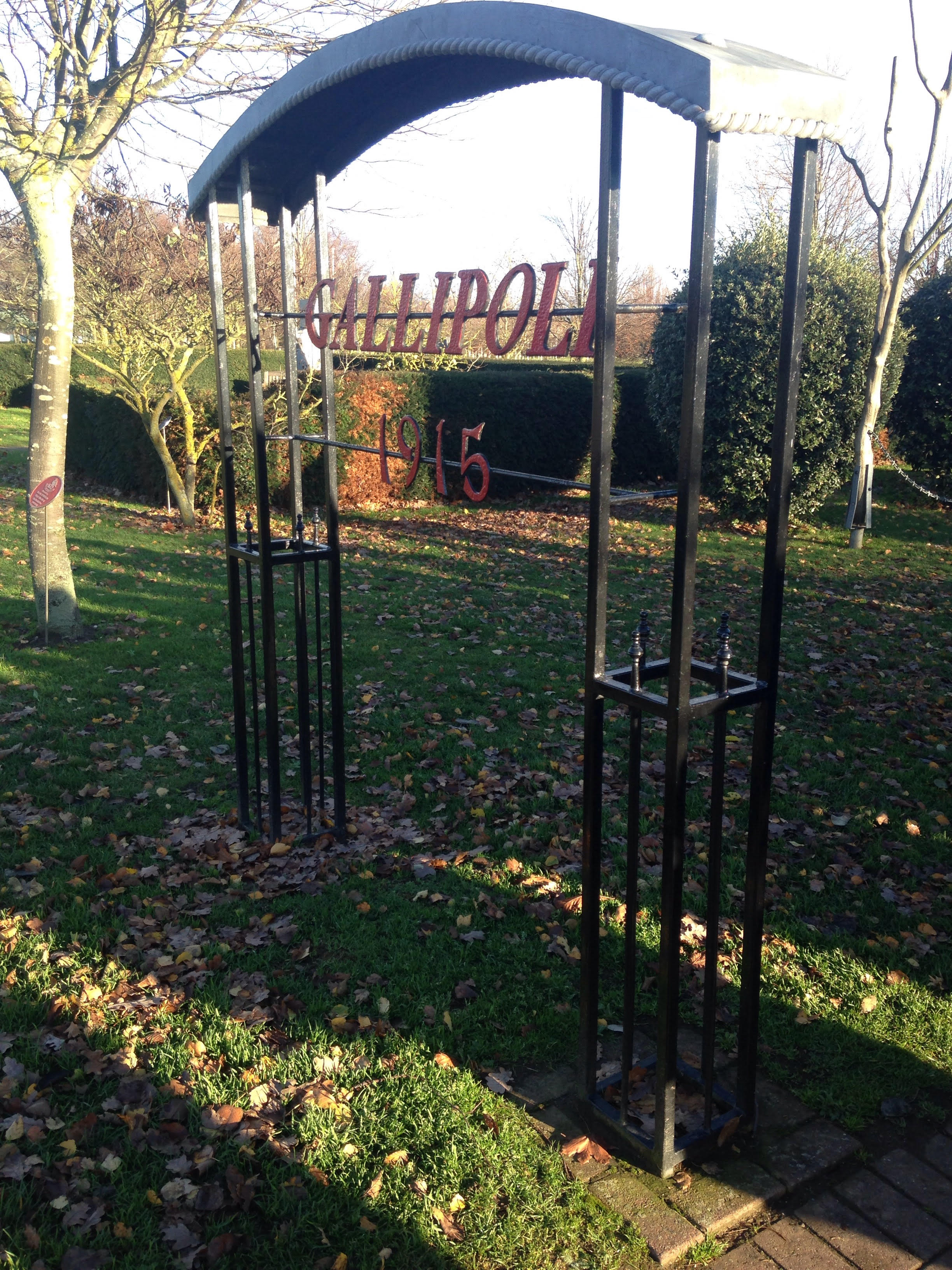
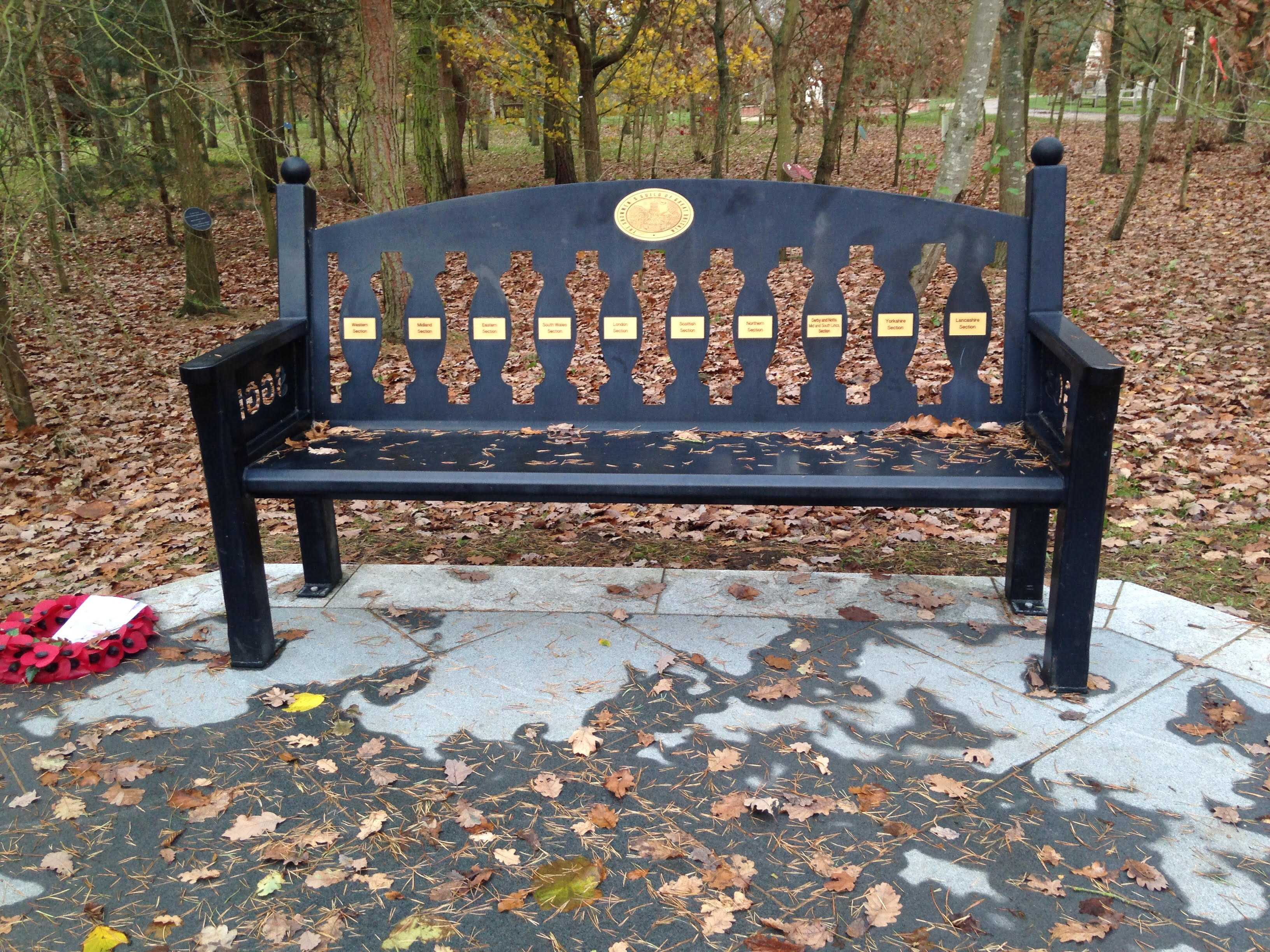
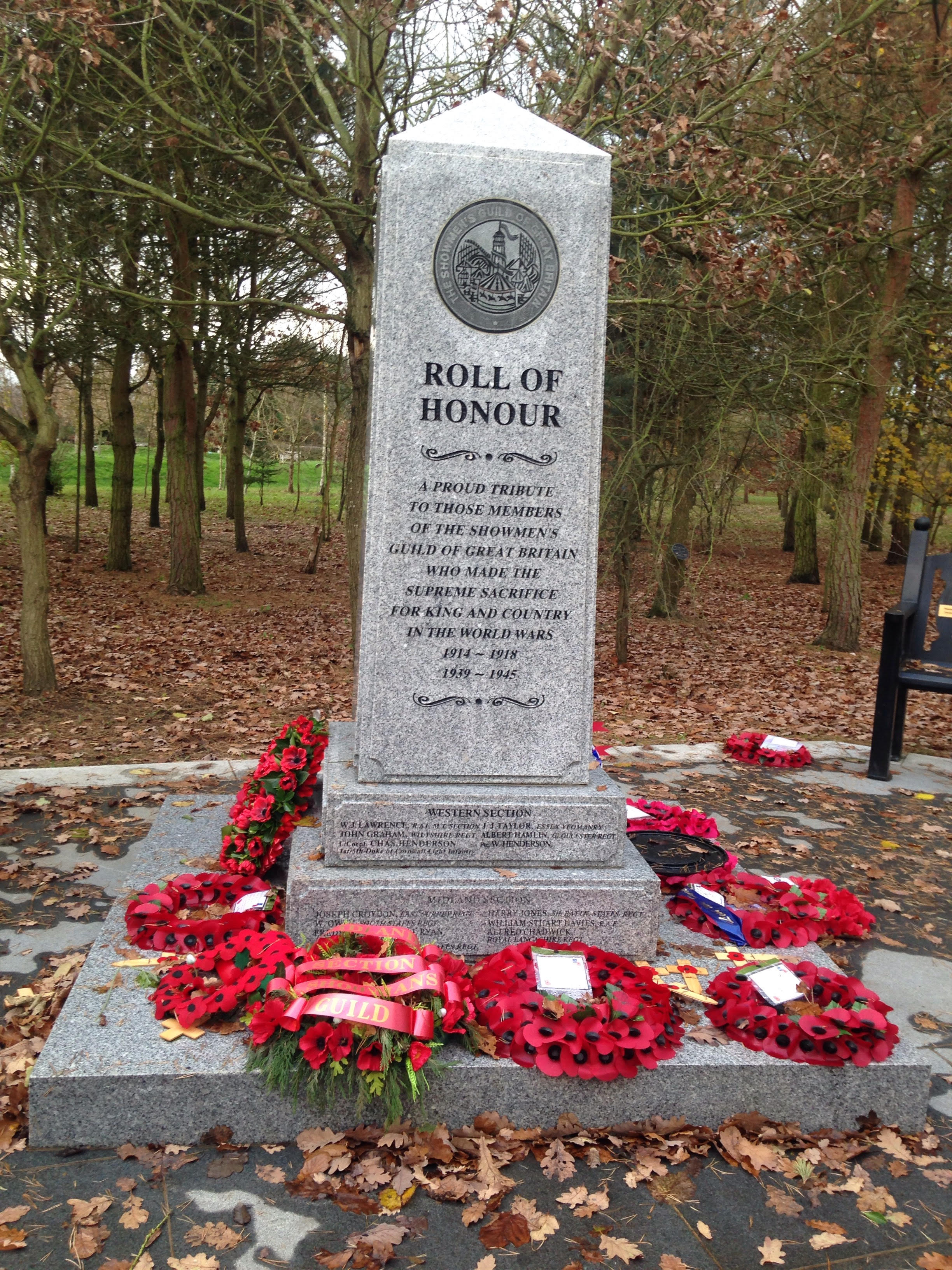
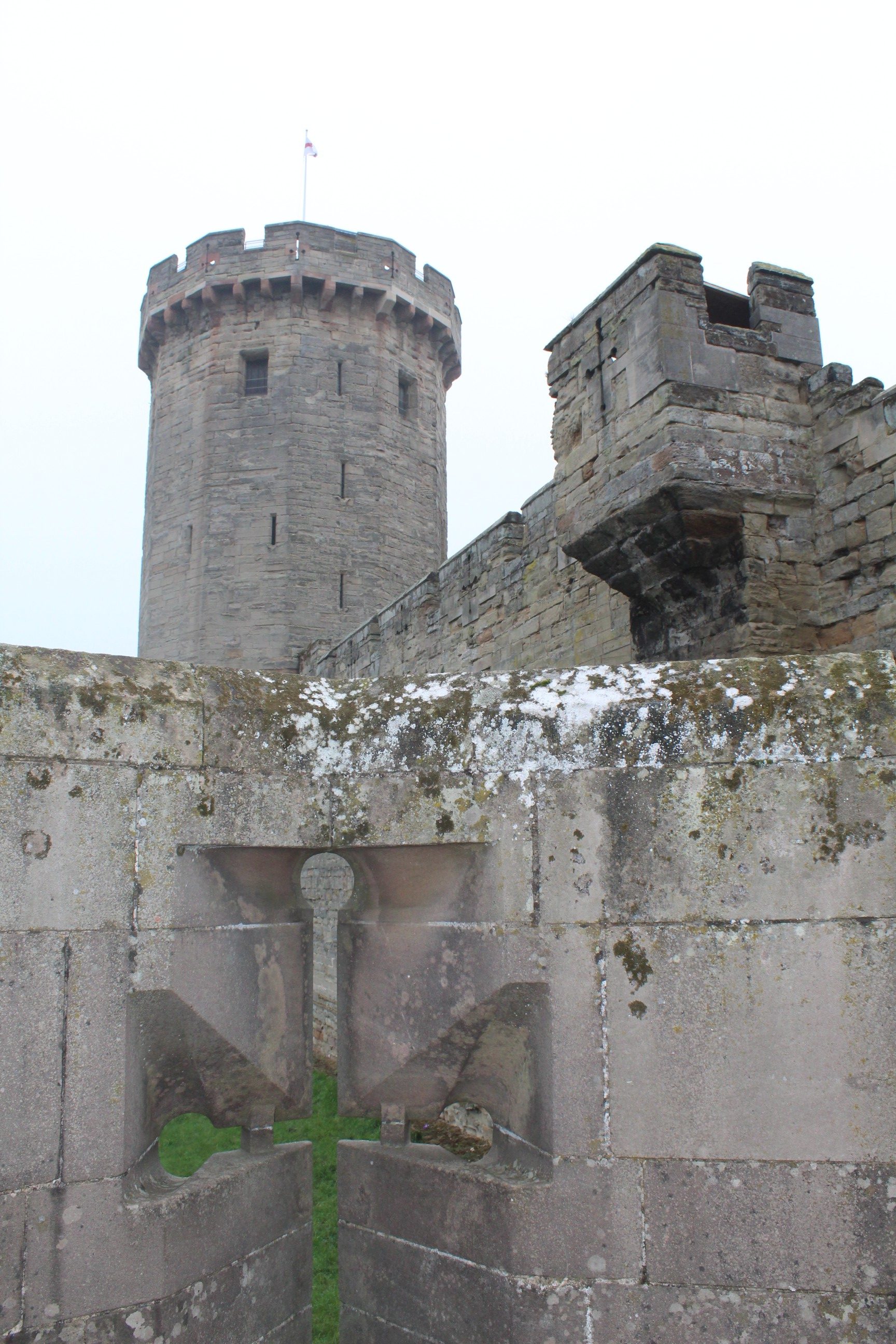
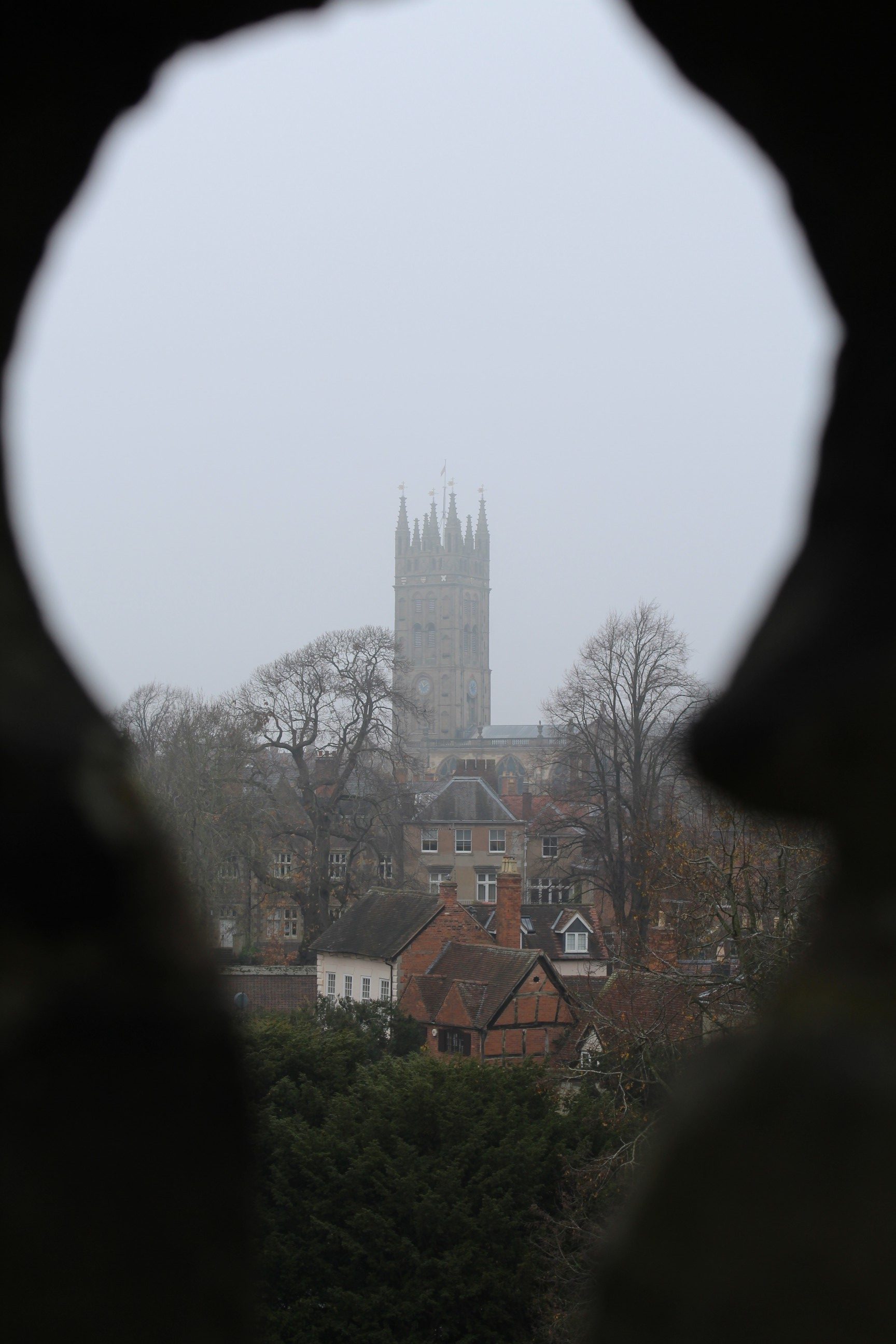
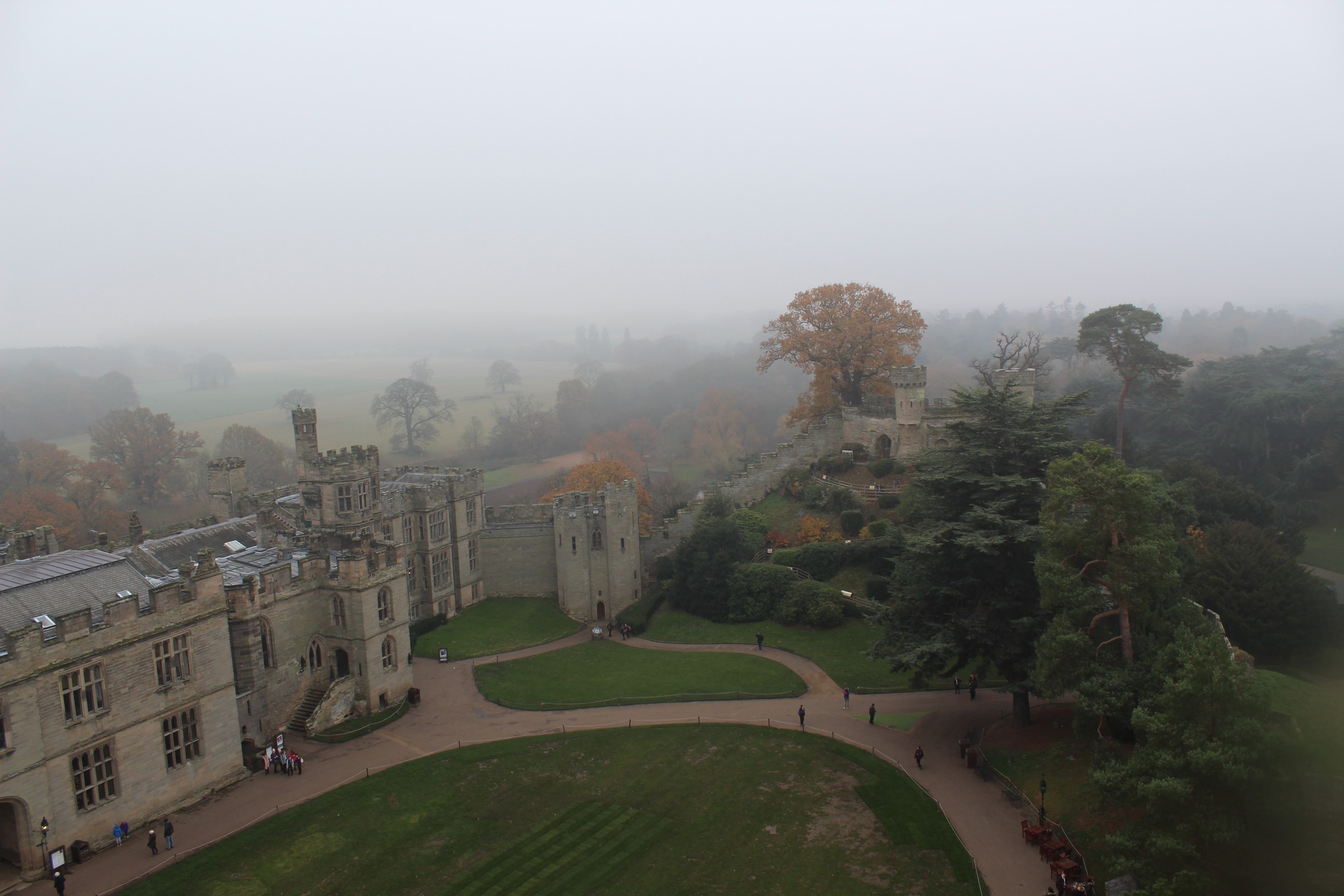
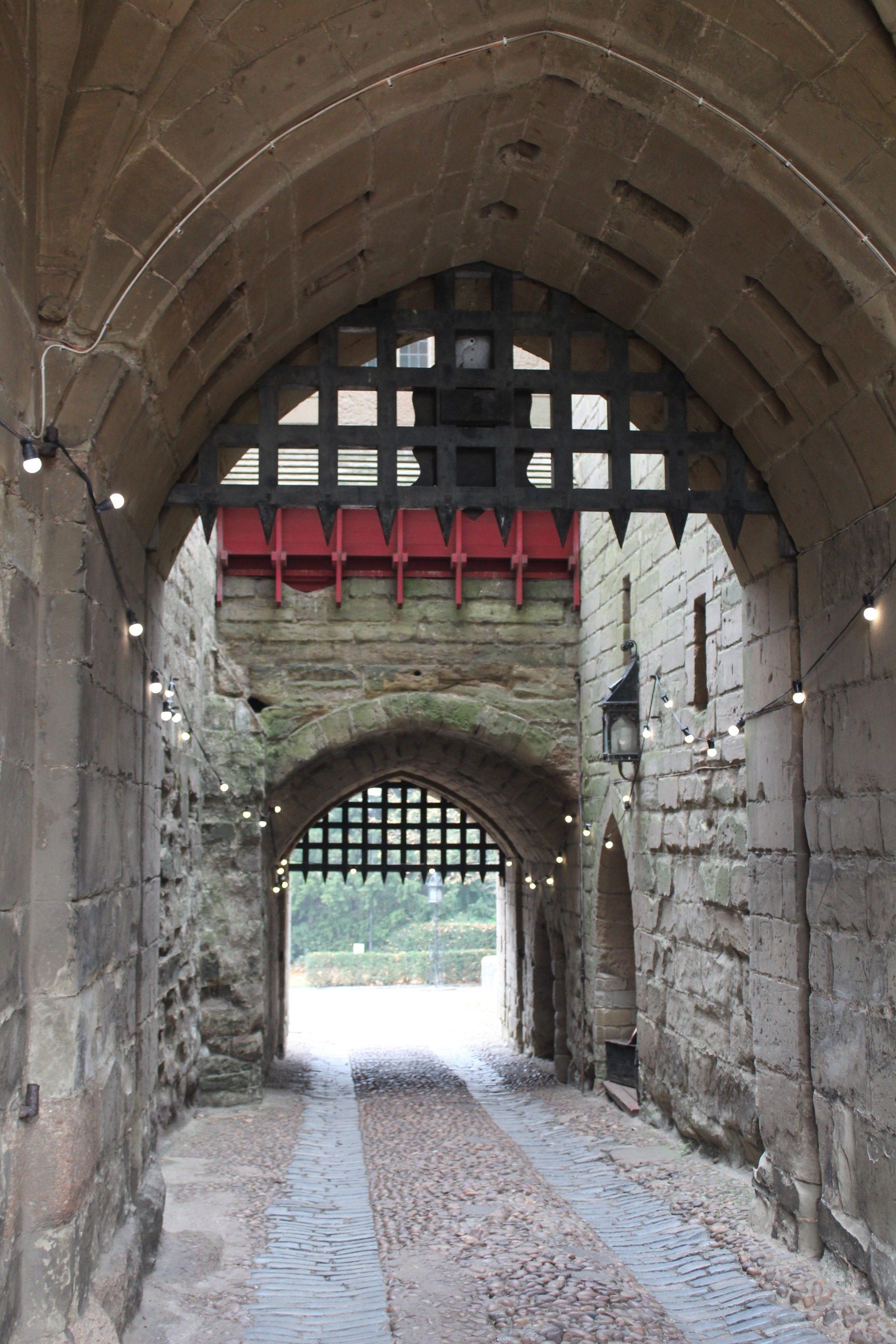
This half term, our Year 9 linguists and historians embarked on a cross-curricular visit to the Battlefields of France and Belgium and Boulogne-sur-Mer.
Year 9 pupils began their journey to France and Belgium in the early hours of the morning, journeying to Folkestone and crossing the channel using the Eurotunnel – a first for many pupils.
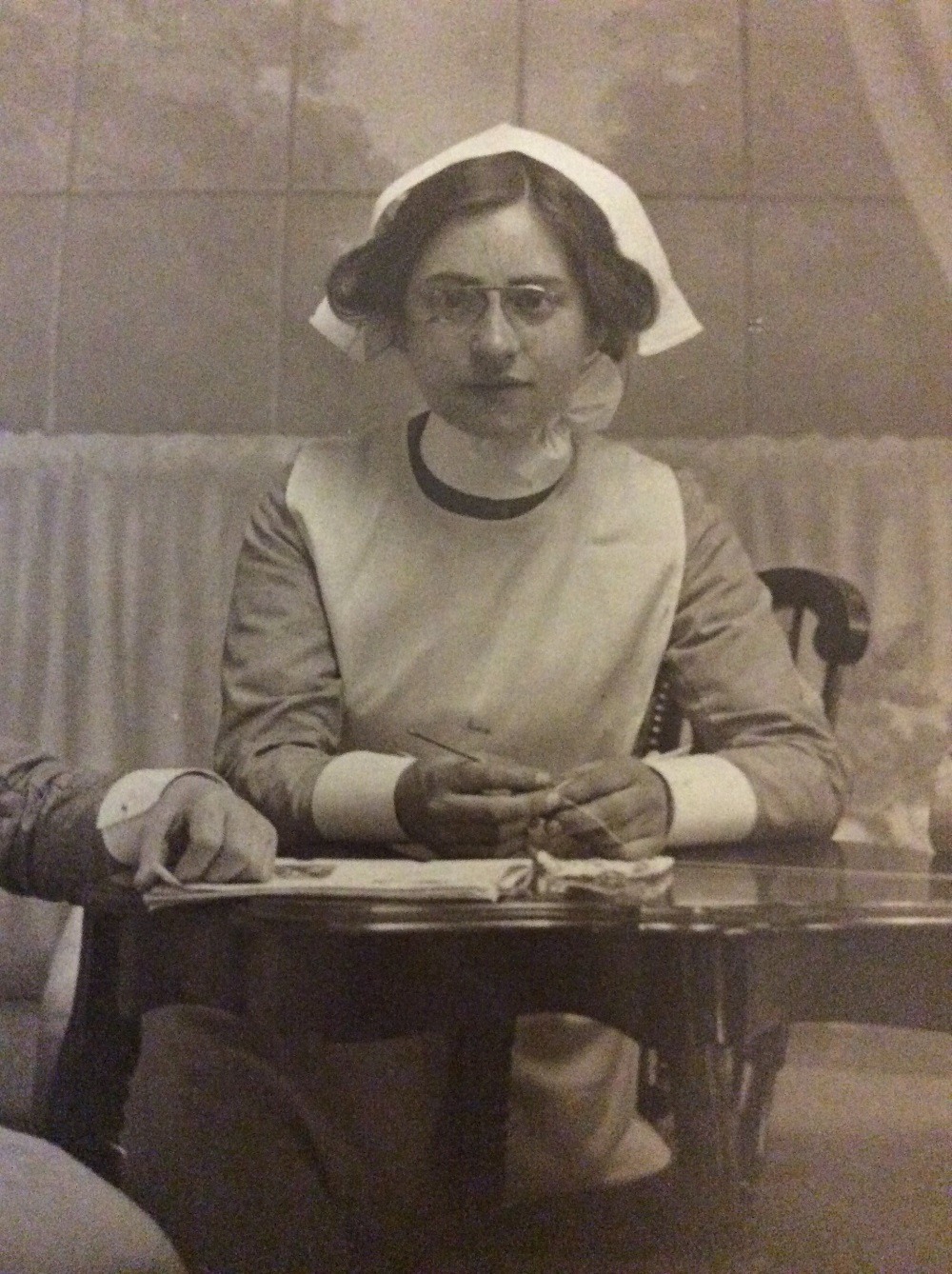
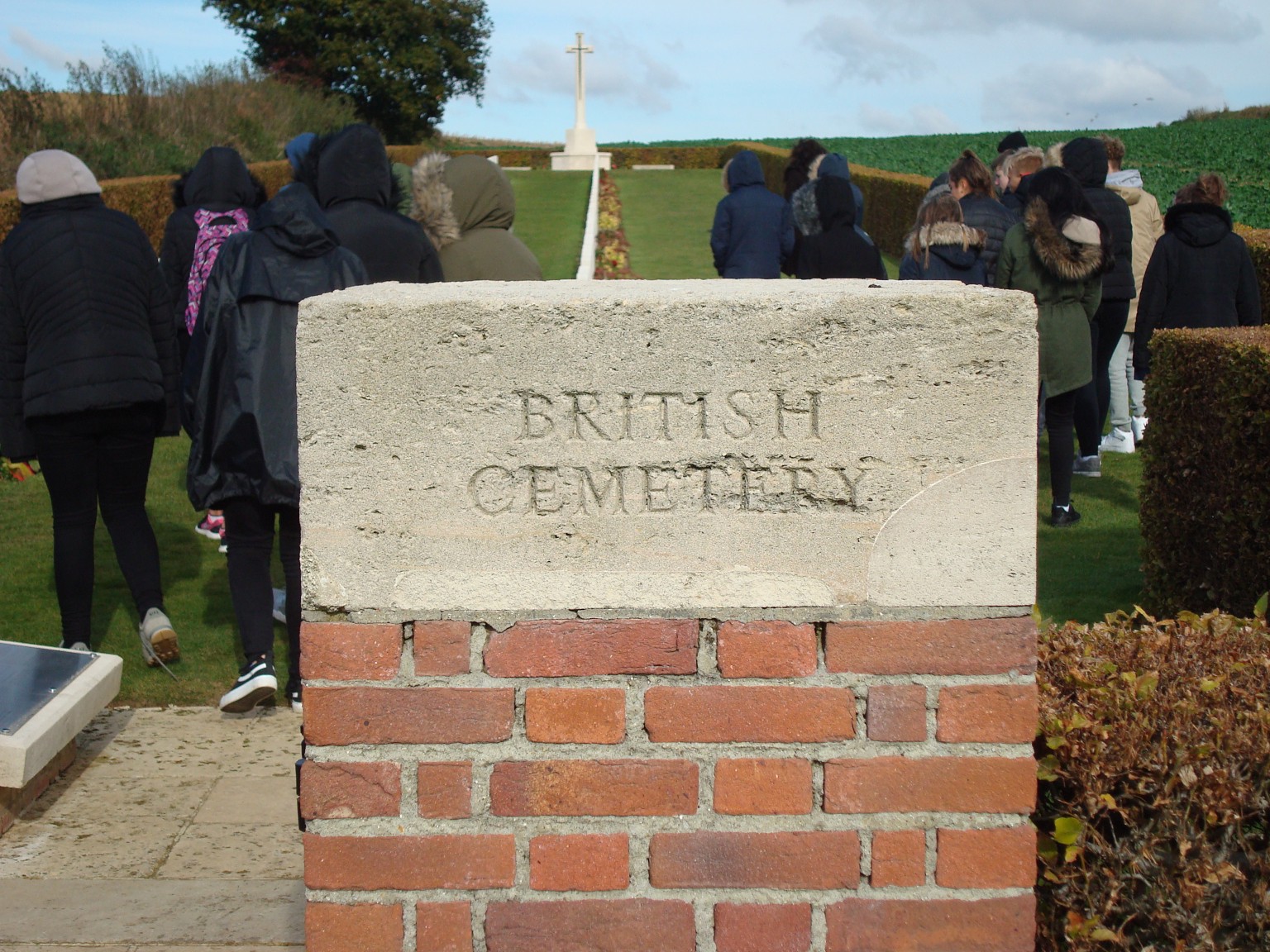
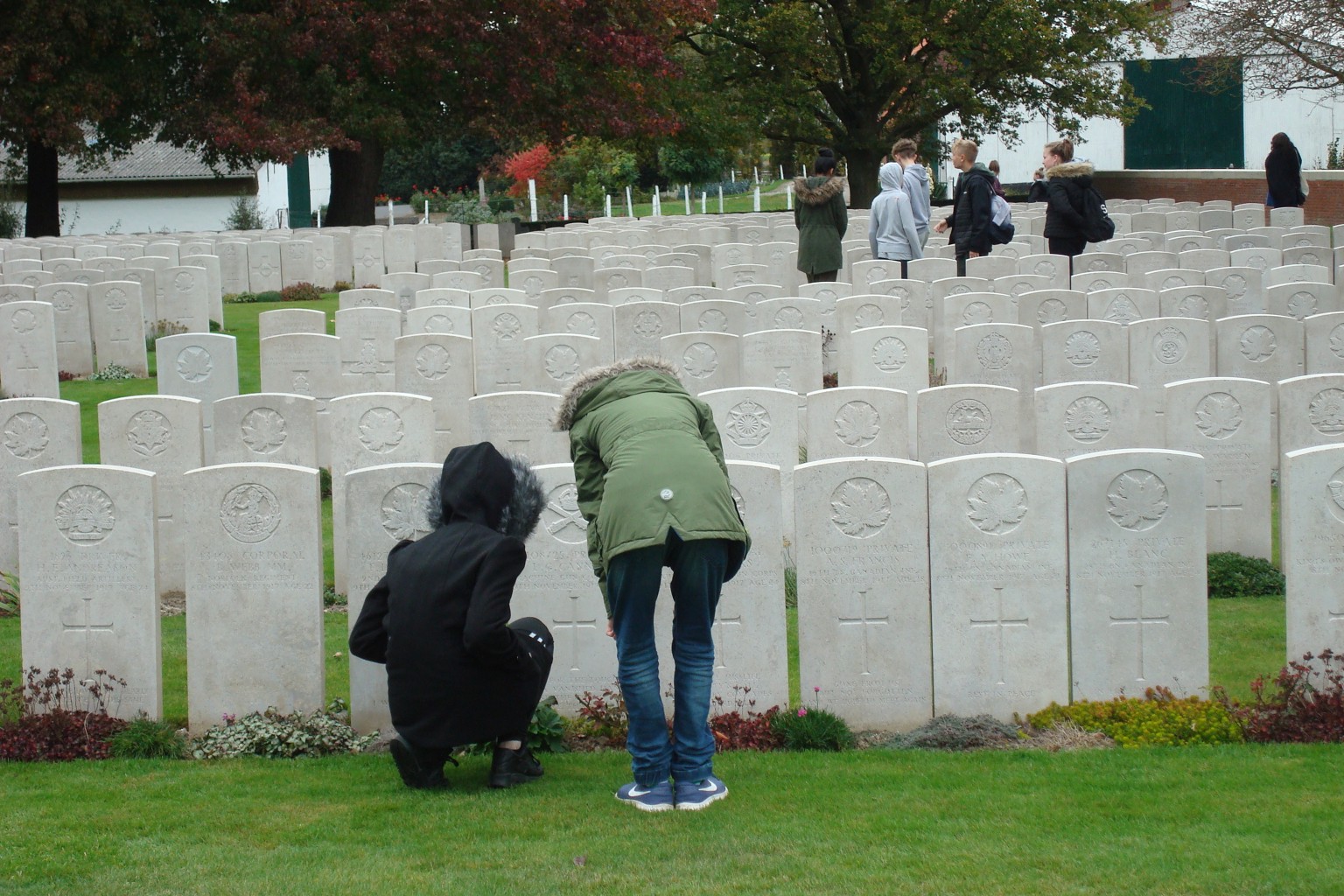
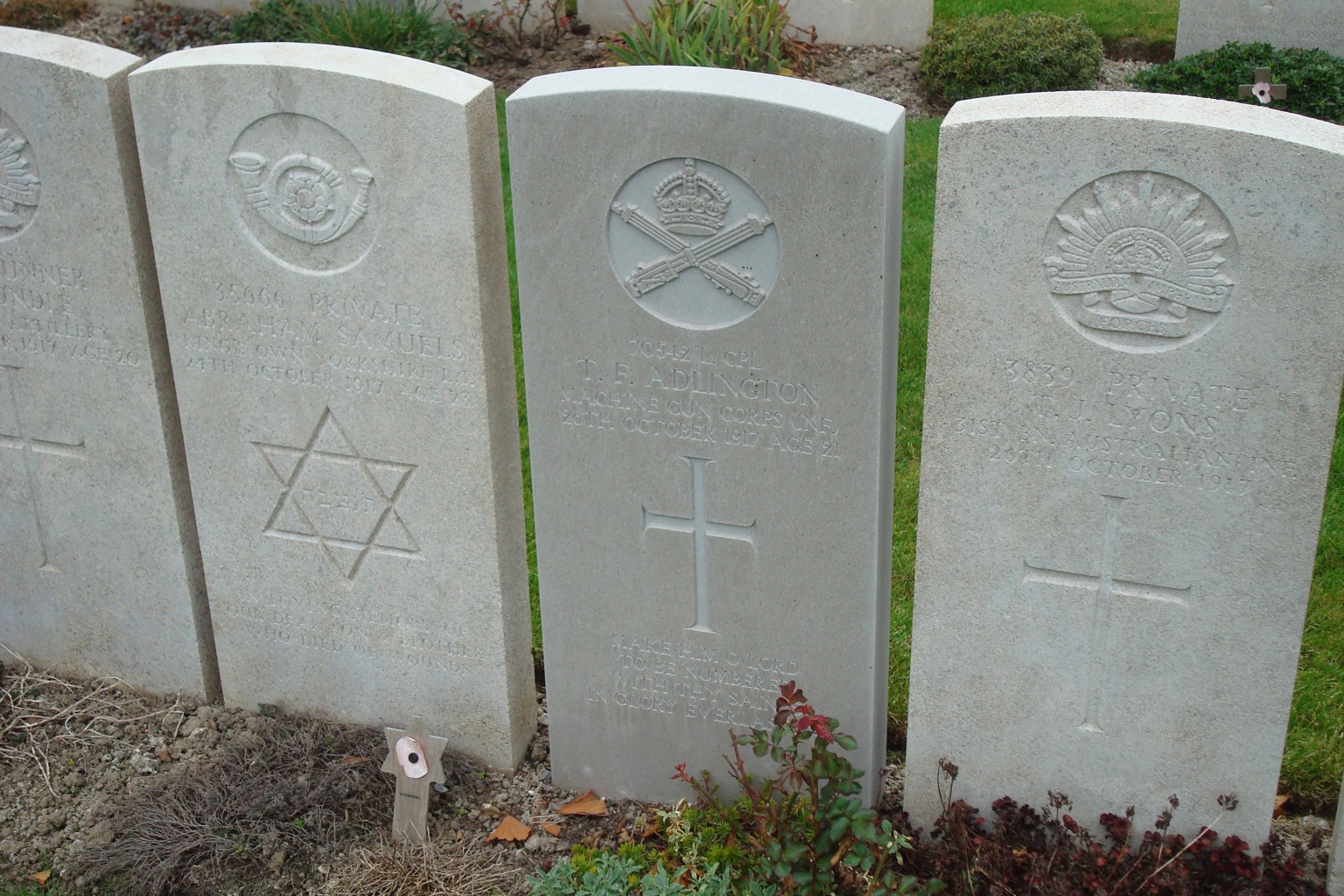
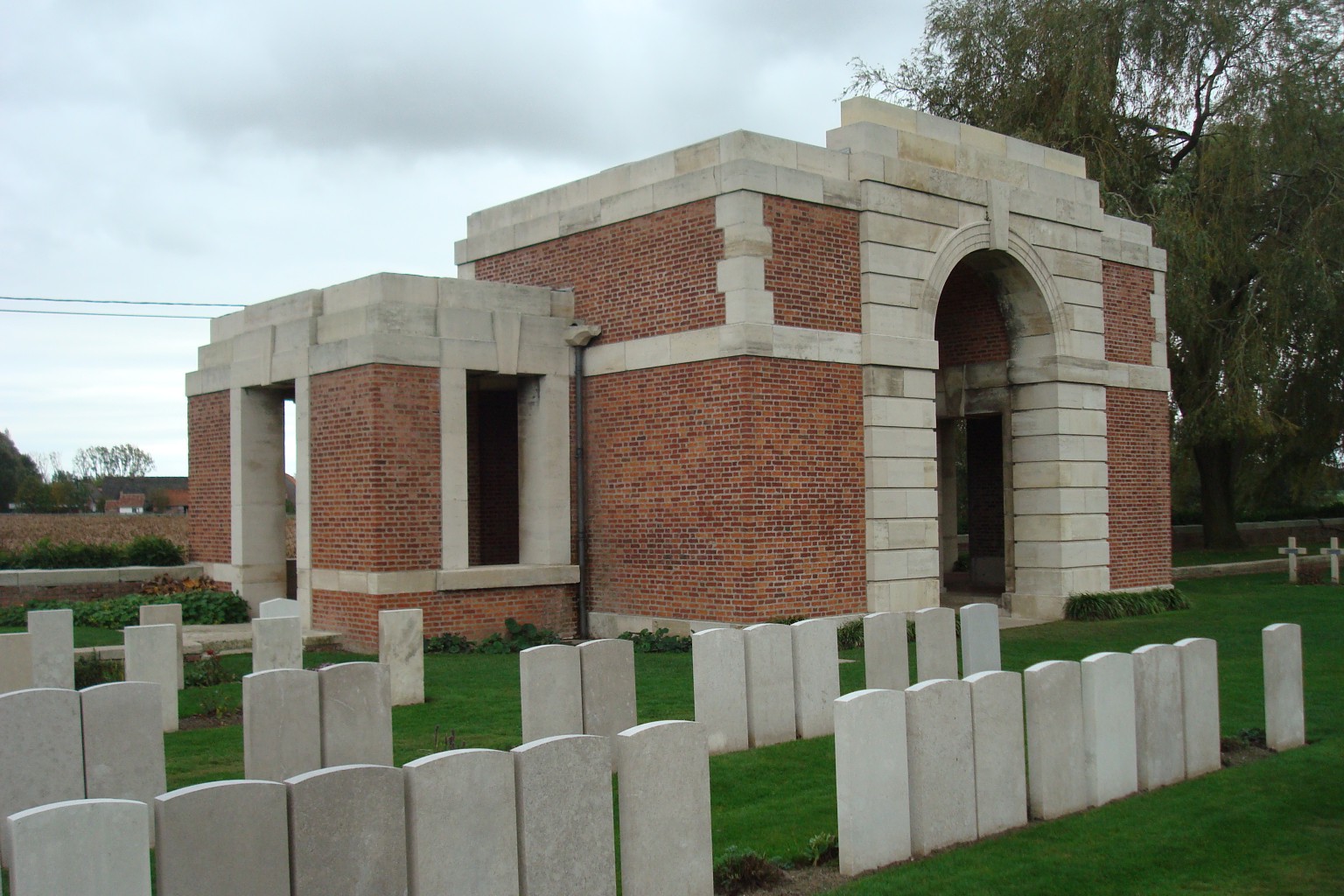
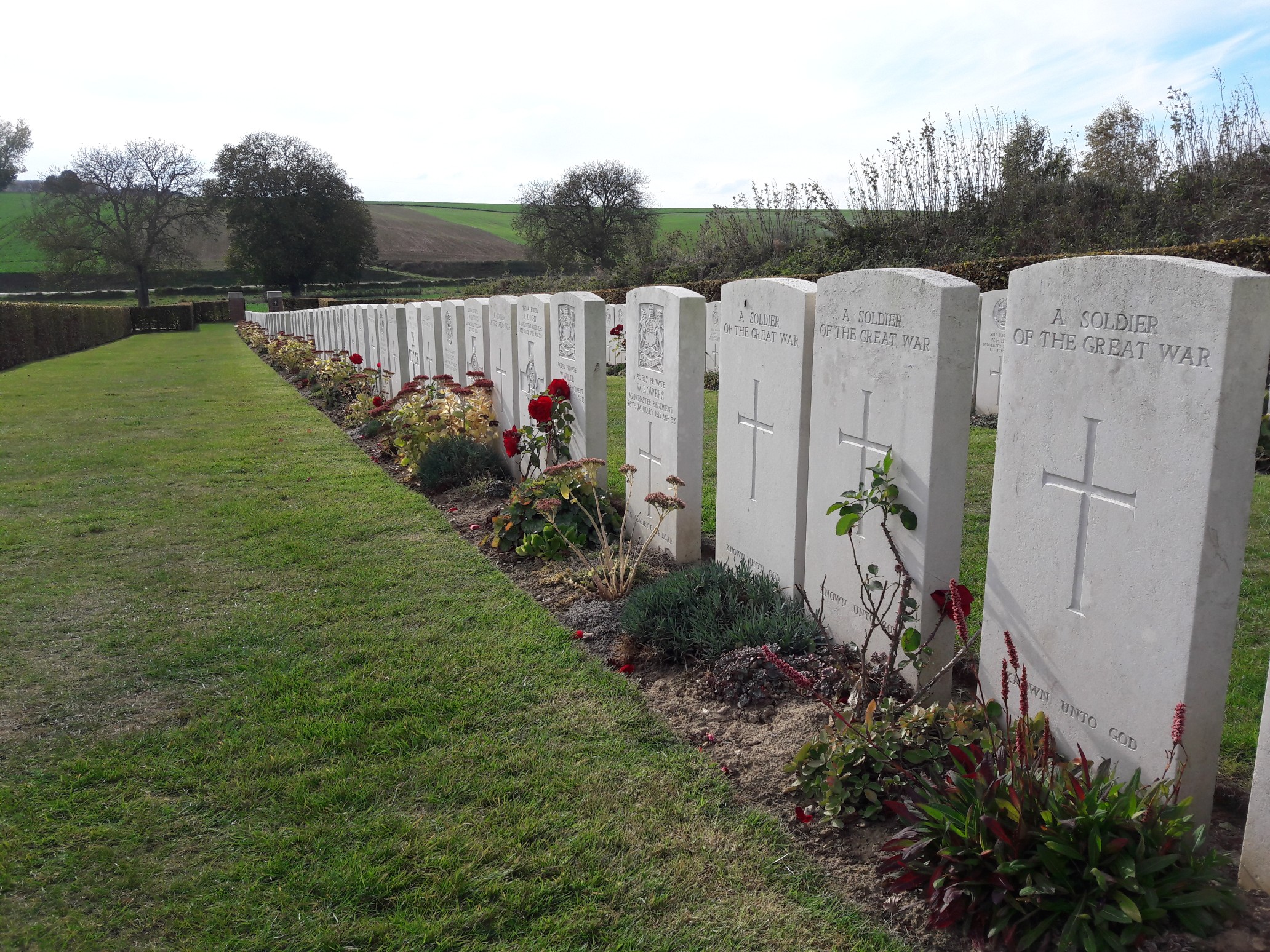
The first stop was Lijssenthoek Cemetery where students explored the casualty chain, role of women and breadth of participation in the war. A poignant story, was that of Nurse Nellie Spindler. Nellie Spindler was a member of Queen Alexandra’s Imperial Military Nursing Service.
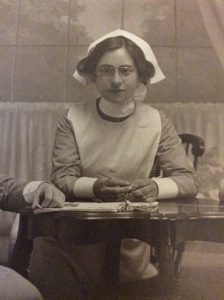
In August 1917, during the first three weeks of the Third Battle of Ypres, she was serving as a nurse with 44th Casualty Clearing Station (CCS). On 21st August 1917 the CCS at Brandhoek was hit by German artillery shells. Five nurses including Nellie, were concussed by the explosions. Nellie died later from an injury to her chest and her body was taken to the cemetery at Lijssenthoek for burial. She was just 26 and the daughter of George and Elizabeth Spindler from Wakefield, Yorkshire. Nellie was one of only two British female casualties of the First World War to be buried in Belgium.This really challenged our usual perspective of only men at the front line and also the sacrifices of many nurses who died throughout the war.
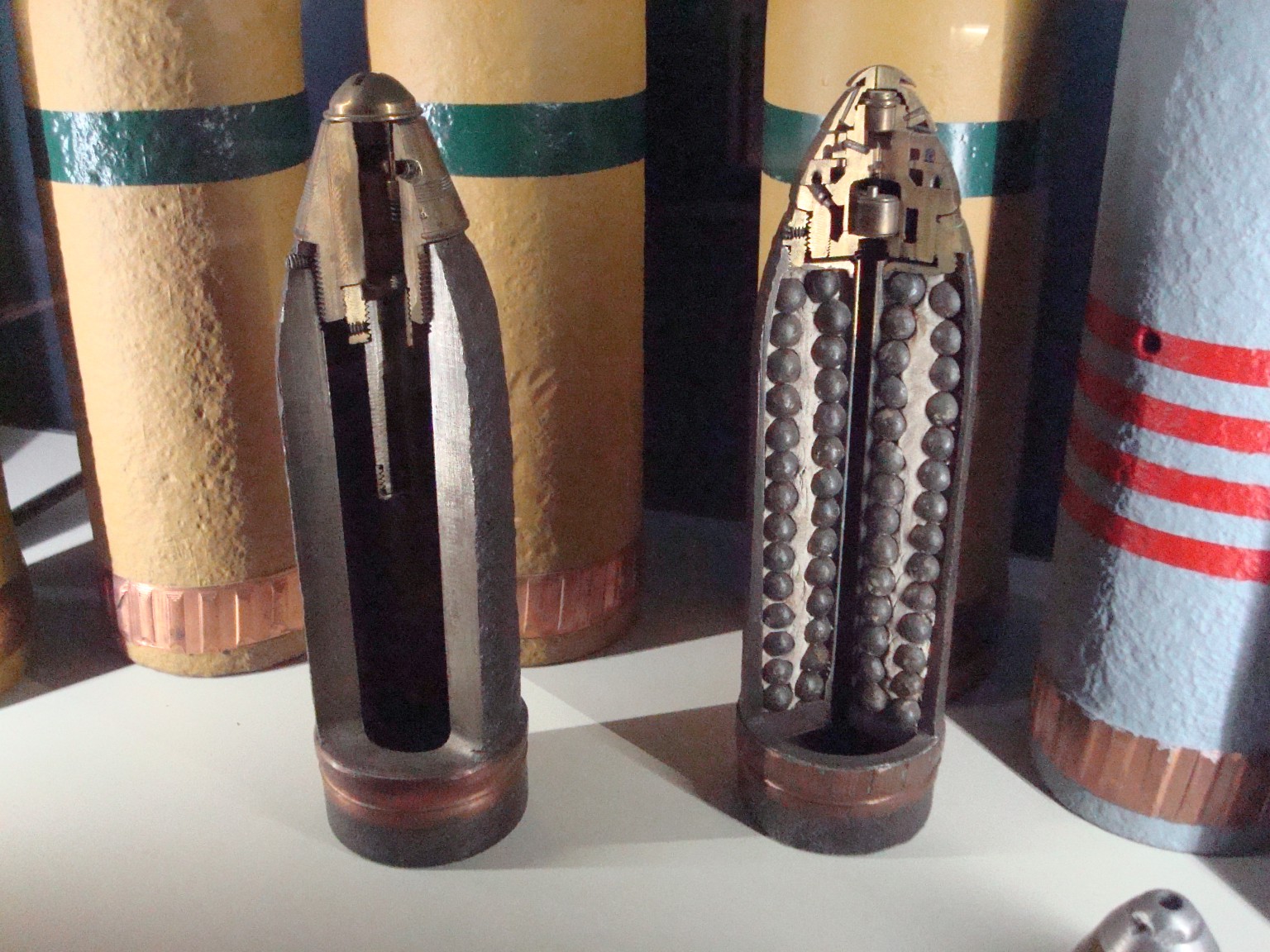
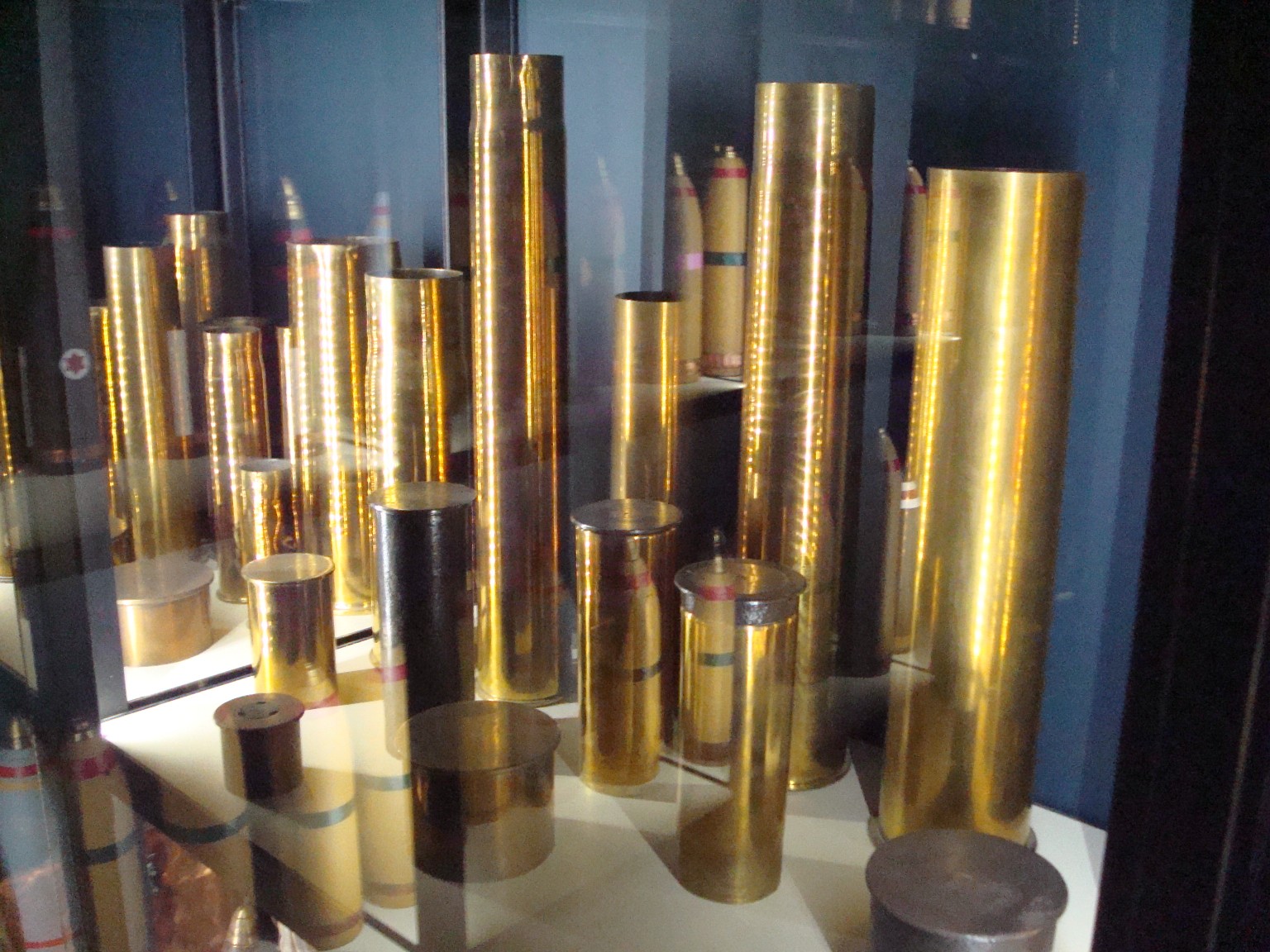
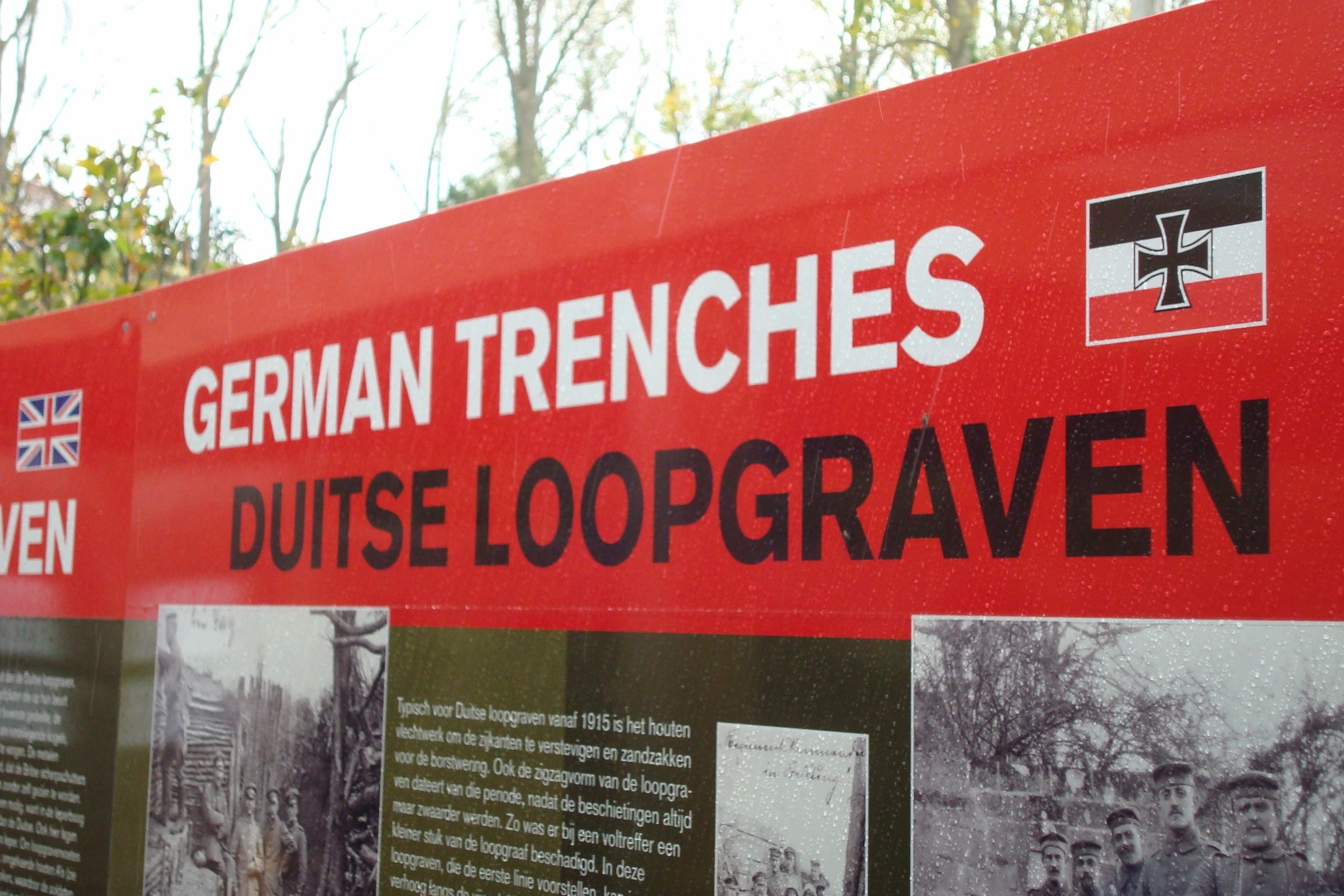
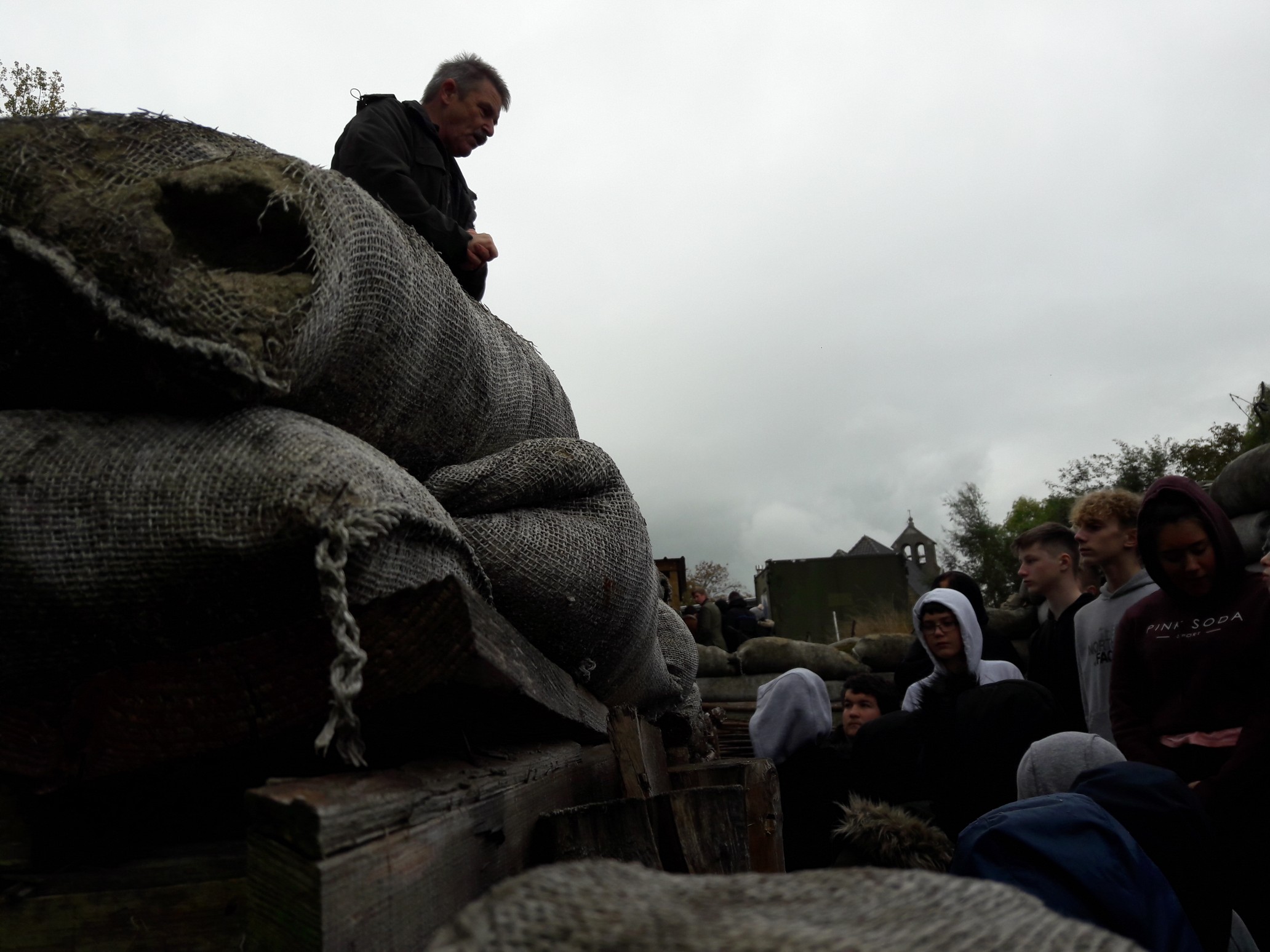
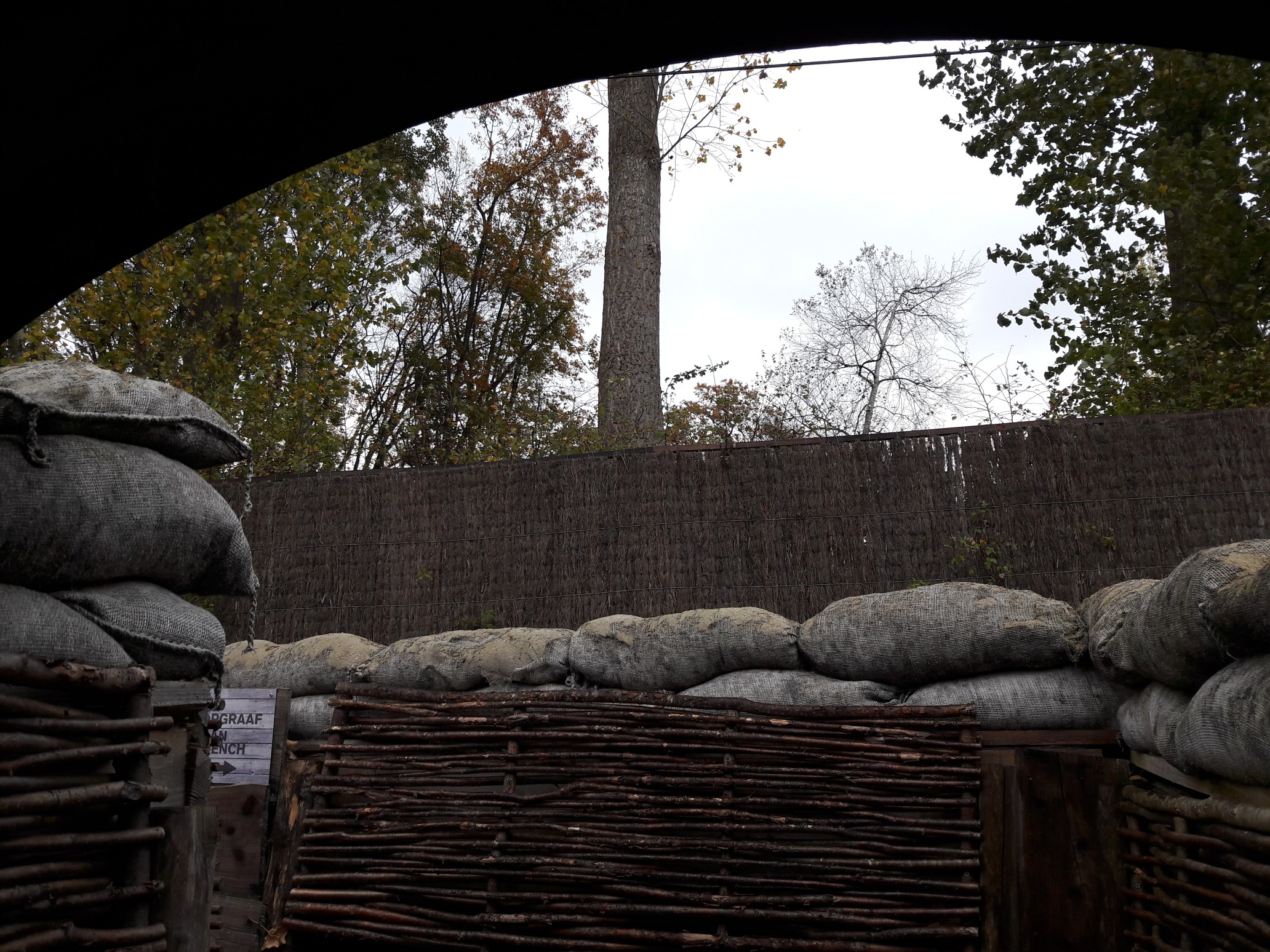
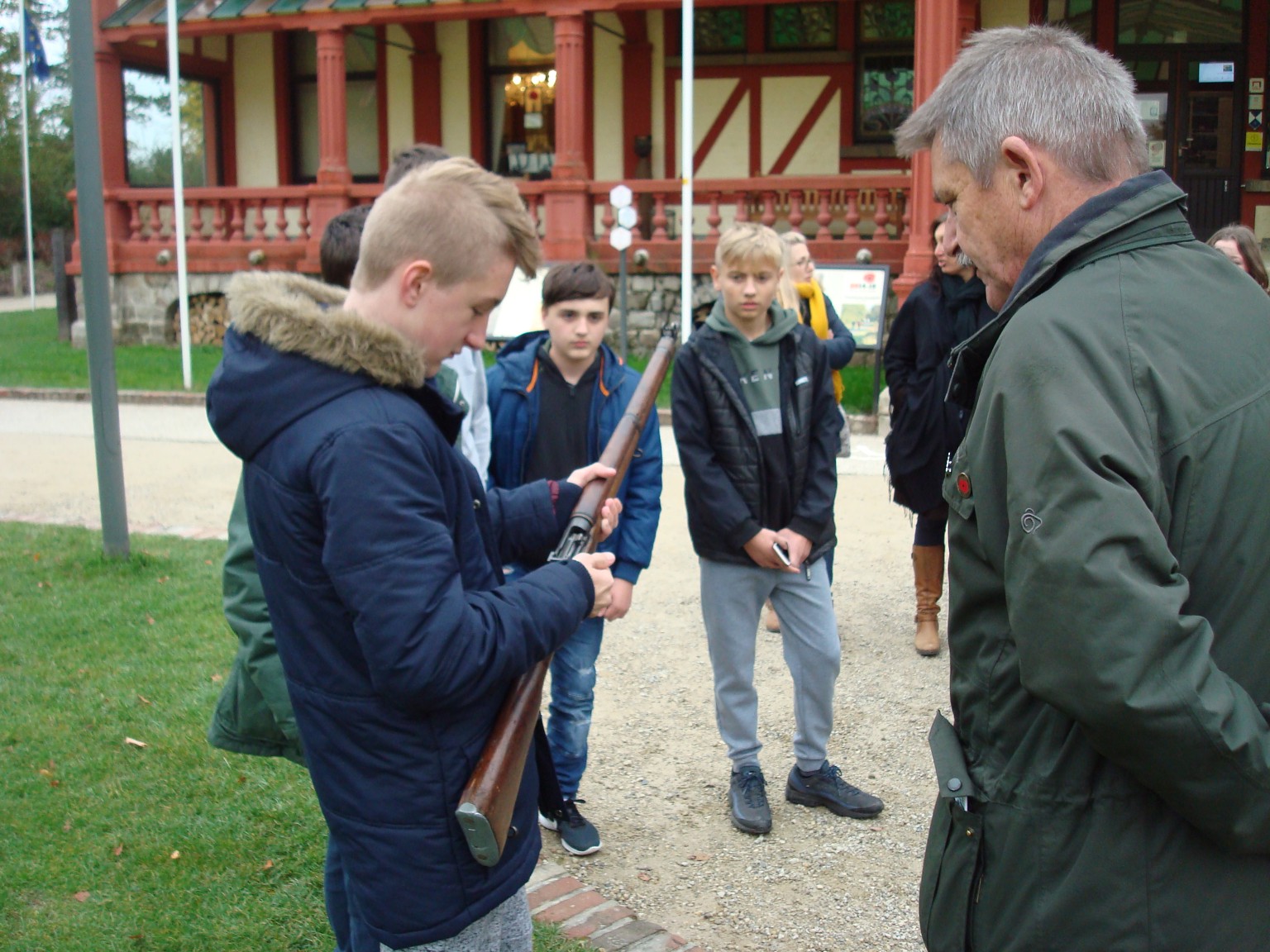
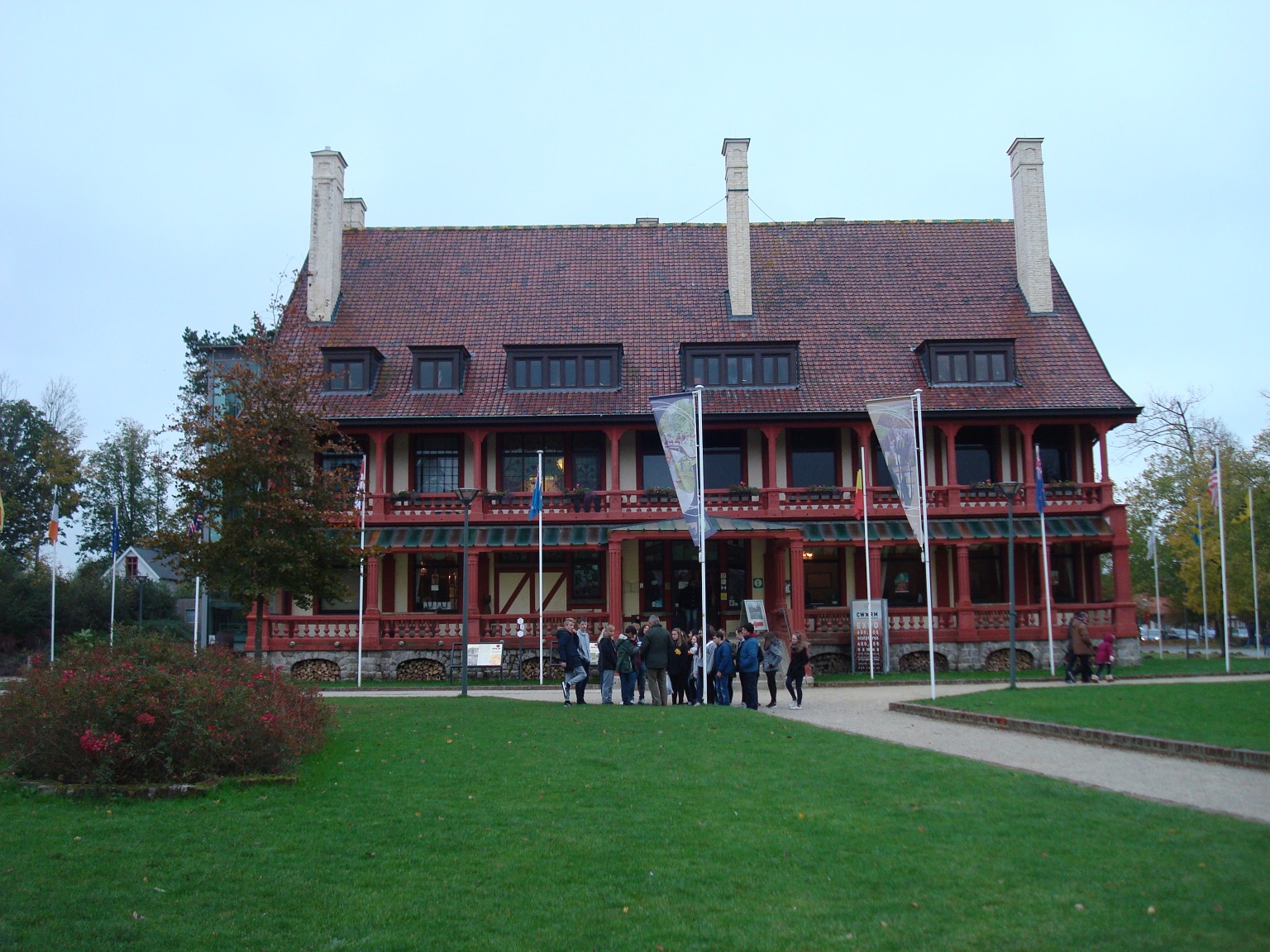
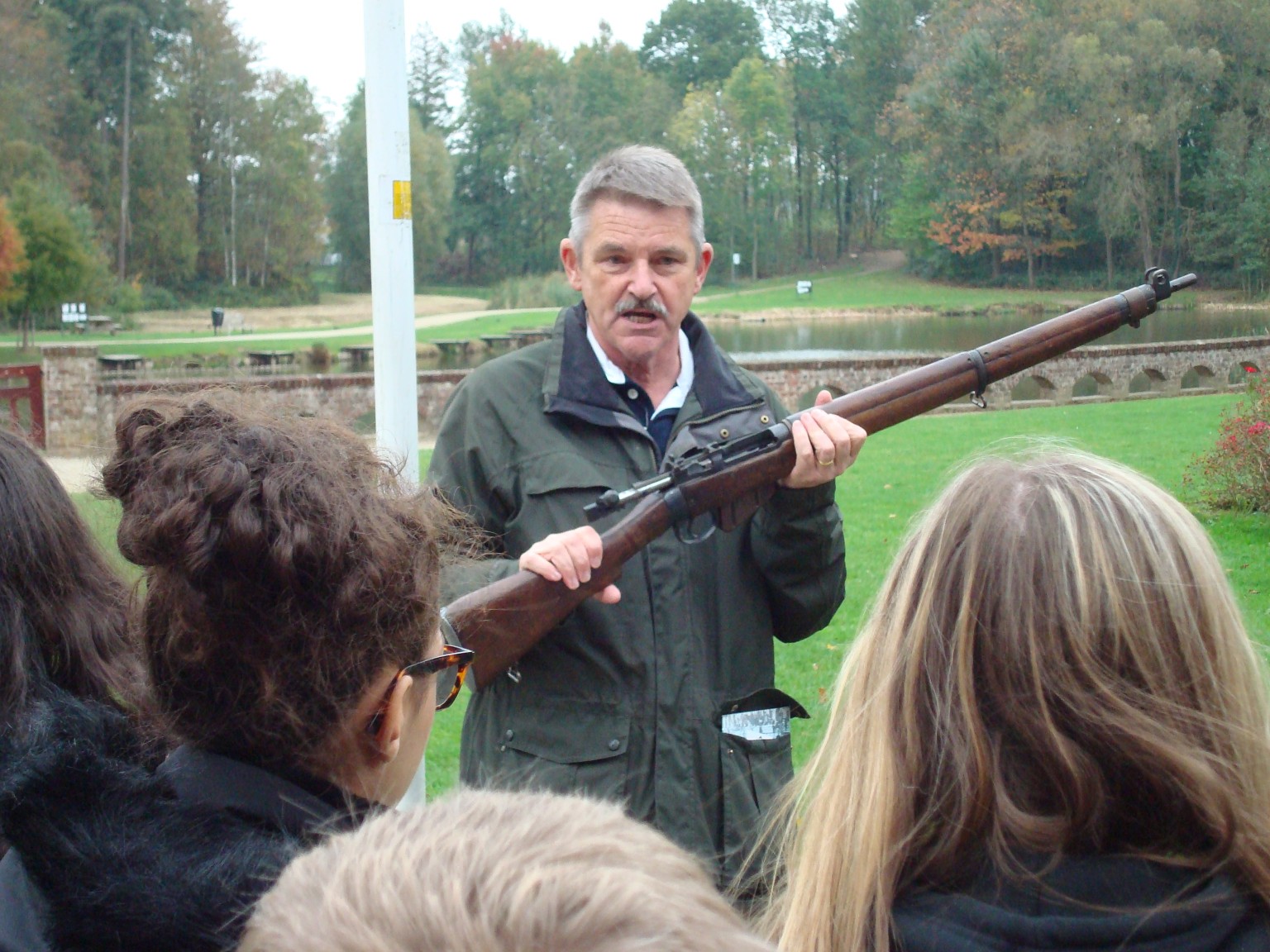
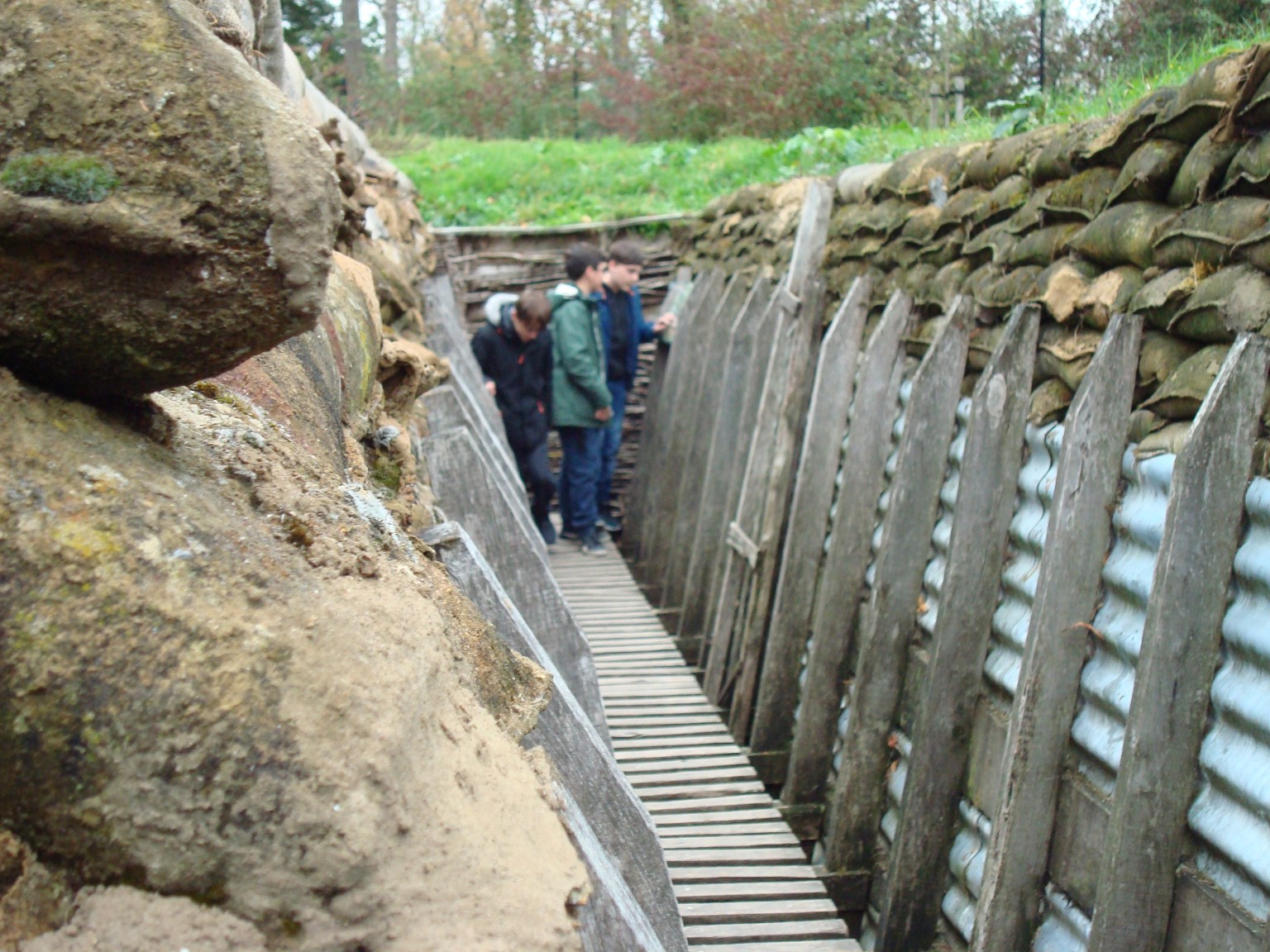
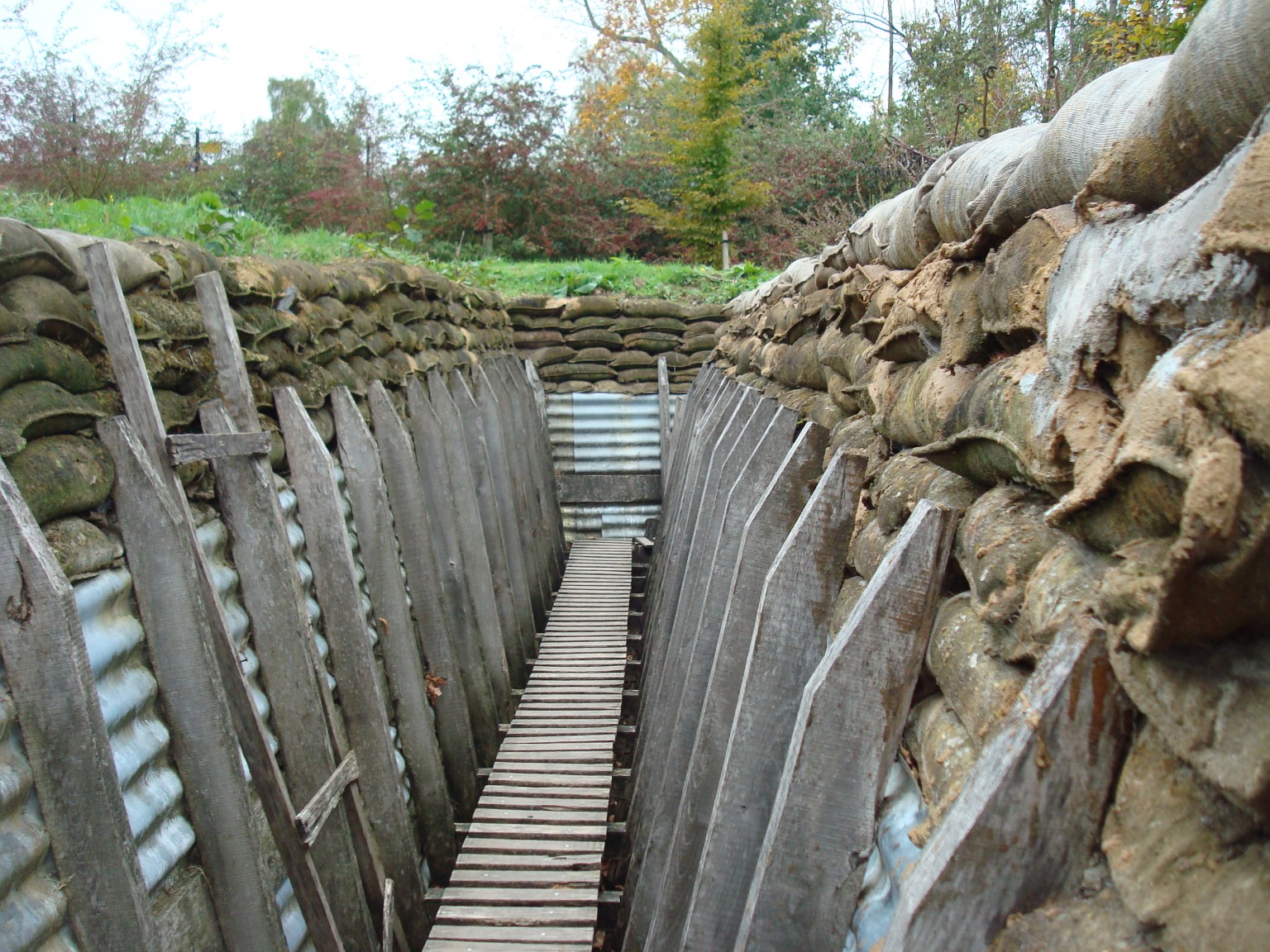
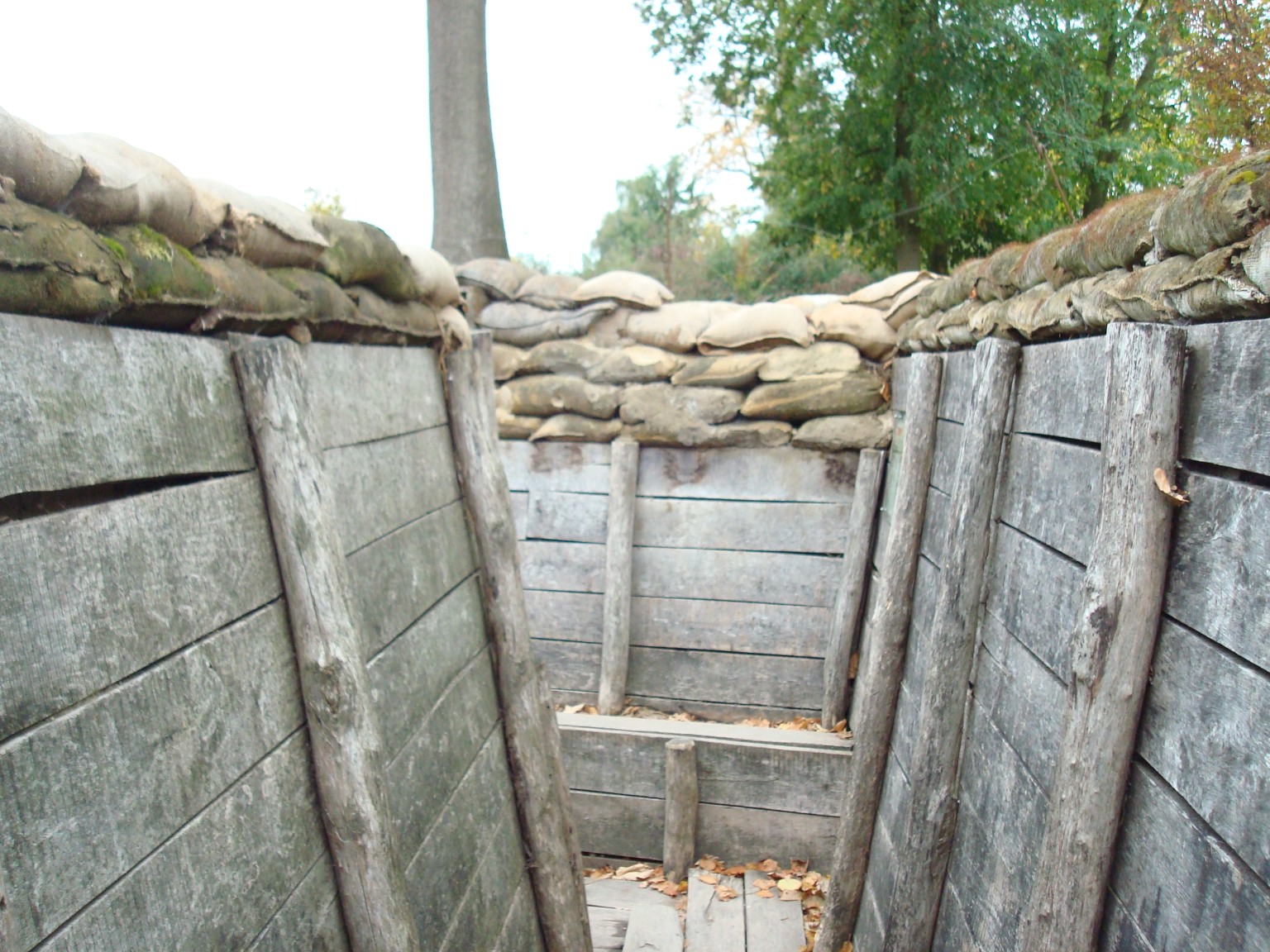
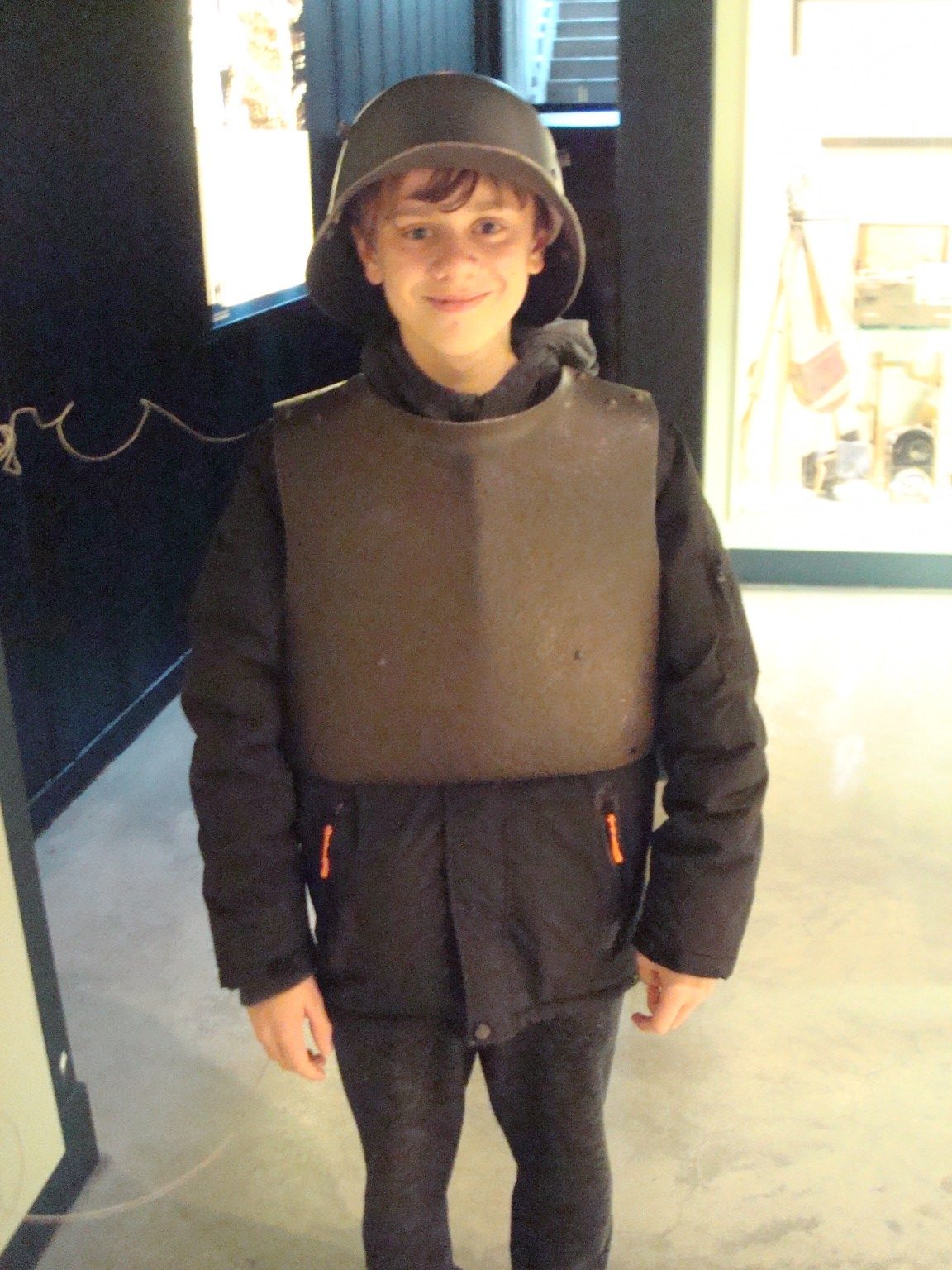
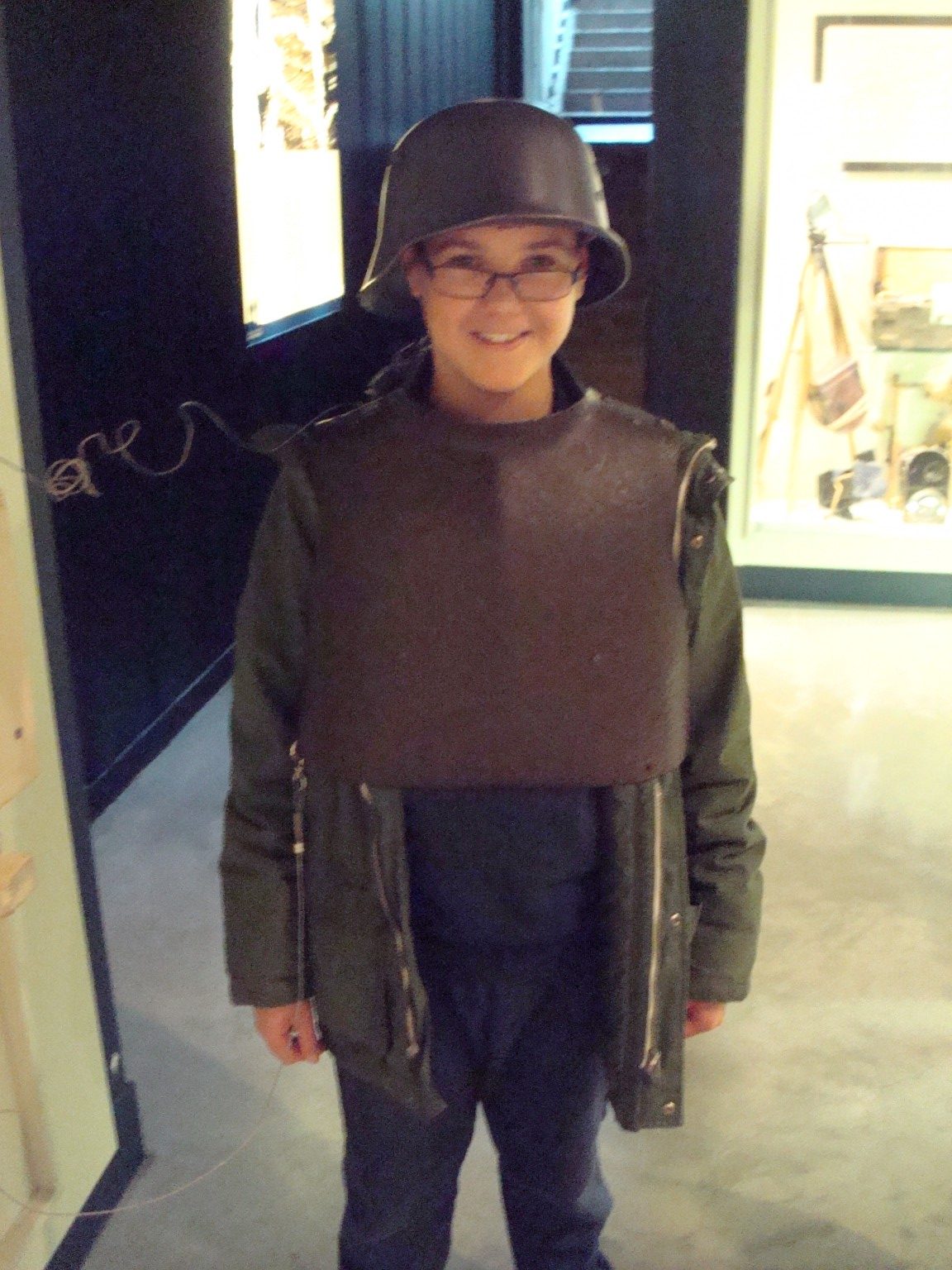
We then moved onto Hooge Crater Museum to explore the Ypres Salient and life in the trenches. Students explored full scale reconstructions of war scenes, an extended collection of weapons, war equipment and photos. The particular highlight for the group was their exposure to a reconstructed trench, which looked across the salient.
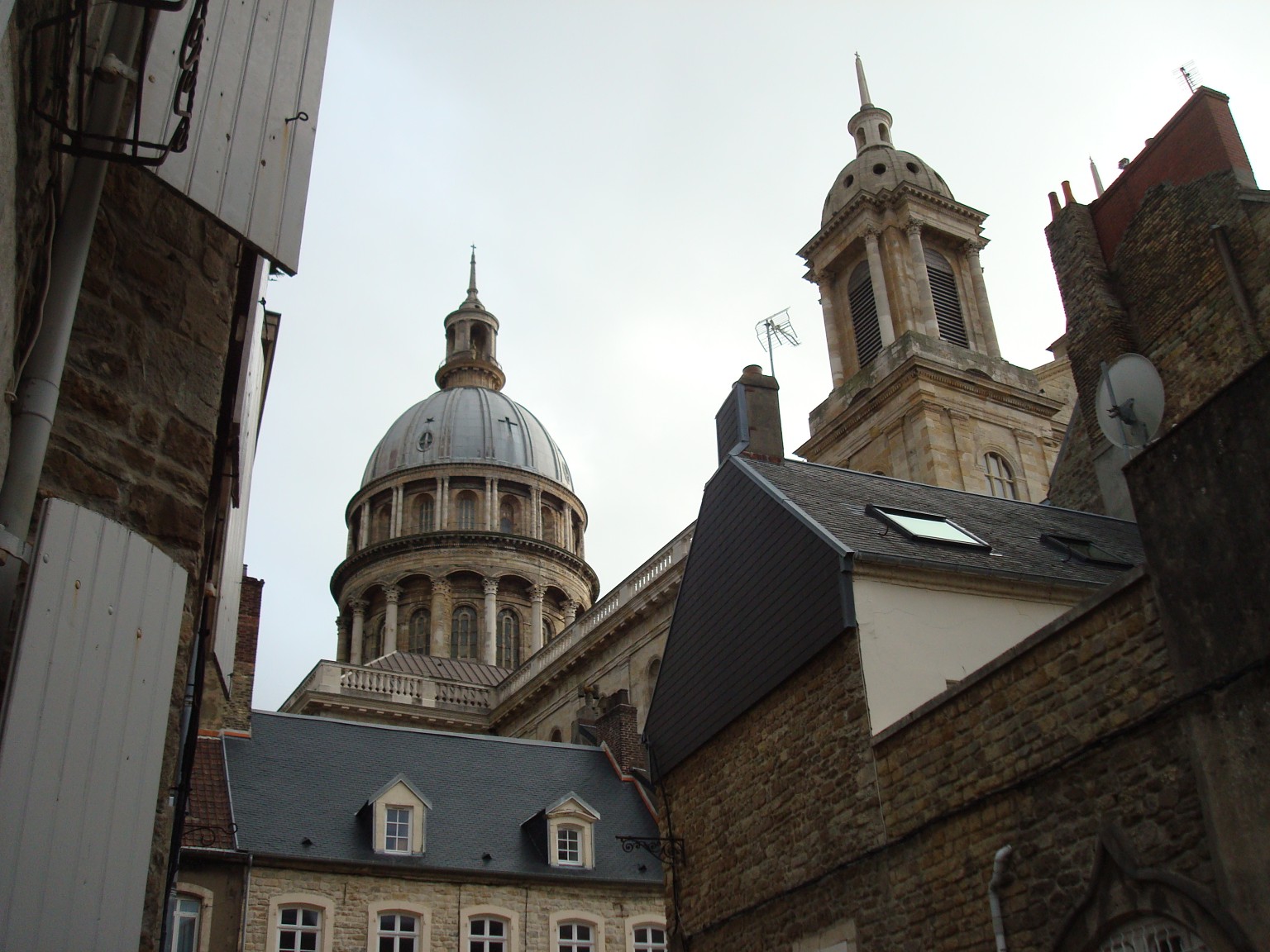
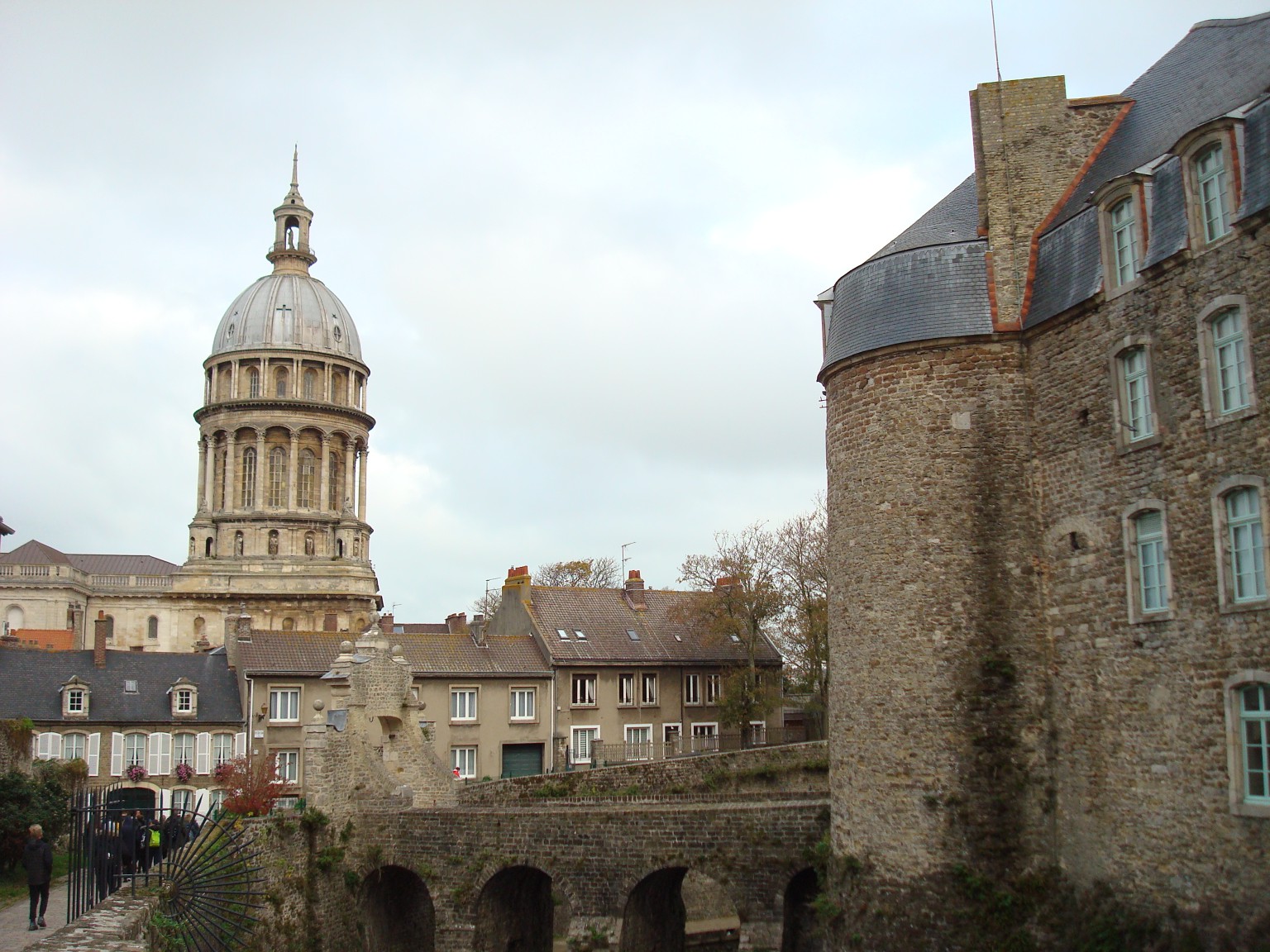
The following day, pupils started their journey to Boulogne-sur-Mer. Exploring the city and its historic ramparts, pupils arrived at the imposing Basilica of Notre-Dame de Boulogne. The crypt of the Notre Dame Cathedral at Boulogne-sur-Mer is the largest in France; theatrical, colourful and dating back to Roman times when the city was a strategic location from which Julius Caesar planned an invasion against England.
In the shadow of St Nicholas church, pupils explored the Le Jardin Ephemere, which changes design every year to reflect a particular theme or story. This years’ theme was “Fables of the Fontaine” and students were able to explore eight fables of Jean De La Fontaine. These fables of French childhood (such as the oak and the reed, the raven and the fox, the frog who wants to be as big as the ox, the pot of earth and the iron pot, the lion and the rat, the fox and the stork or the fox and the grapes) allowed students to contrast and compare with our cultural reference and find similarities with the funny animal stories with subtle moral messages of character traits of humans!
Pupils then arrived at the main attraction of the day, Nausicaä Centre National de la Mer, a public aquarium located in Boulogne-sur-Mer in France. It is the largest public aquarium of Europe and often described as a center of scientific and technical discovery of the marine environment, focusing primarily on the relationship between man and the sea.
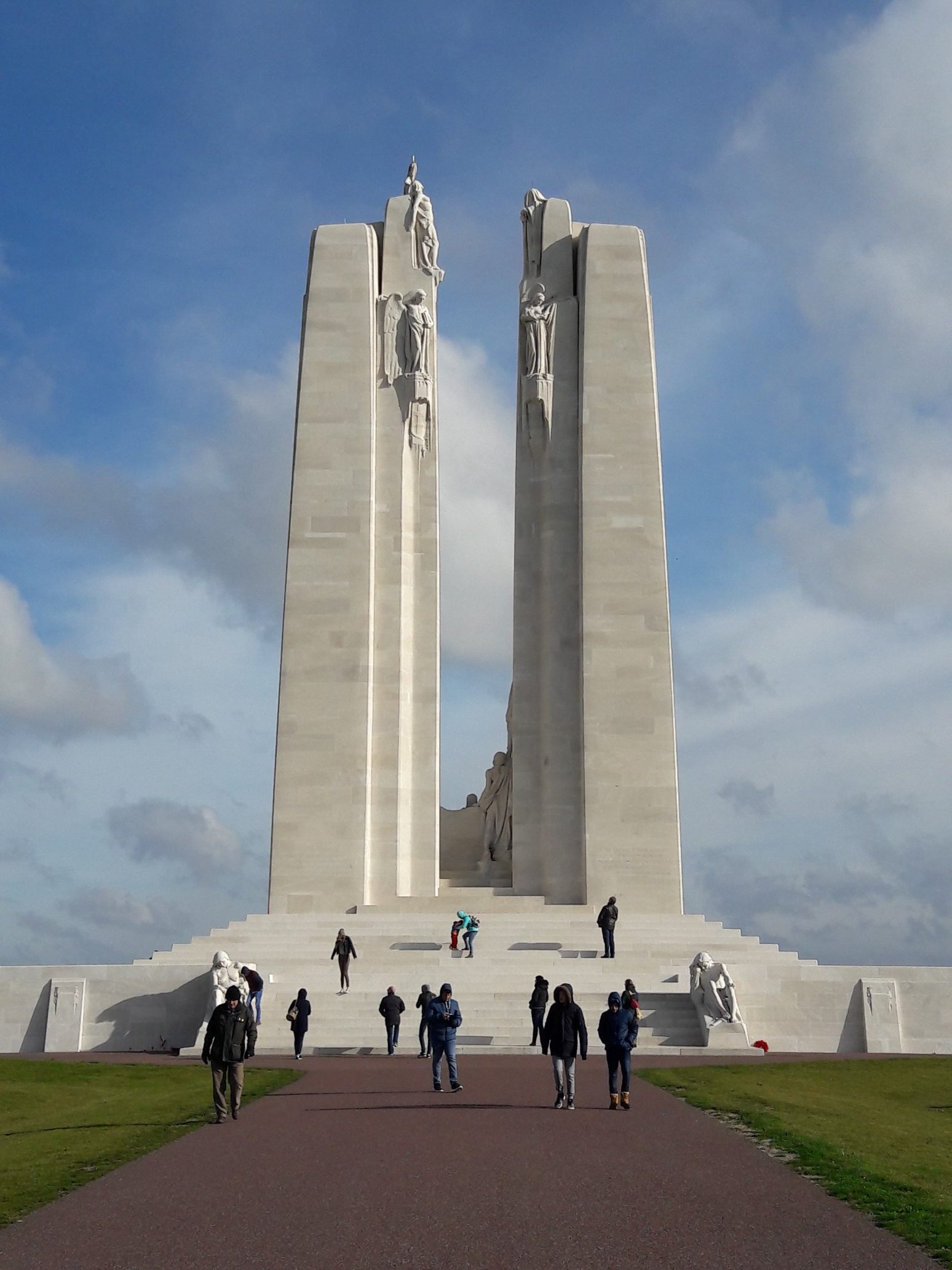
The following day, pupils arrived at the Somme, starting at Vimy Ridge. This site commemorates the attack which was undertaken by the Canadian troops in April 1917. The Germans had held this important area since the outbreak of war in 1914 so this was a very important battle. The Canadian government now run the site and it is a memorial to their Forces who fought in the Great War.
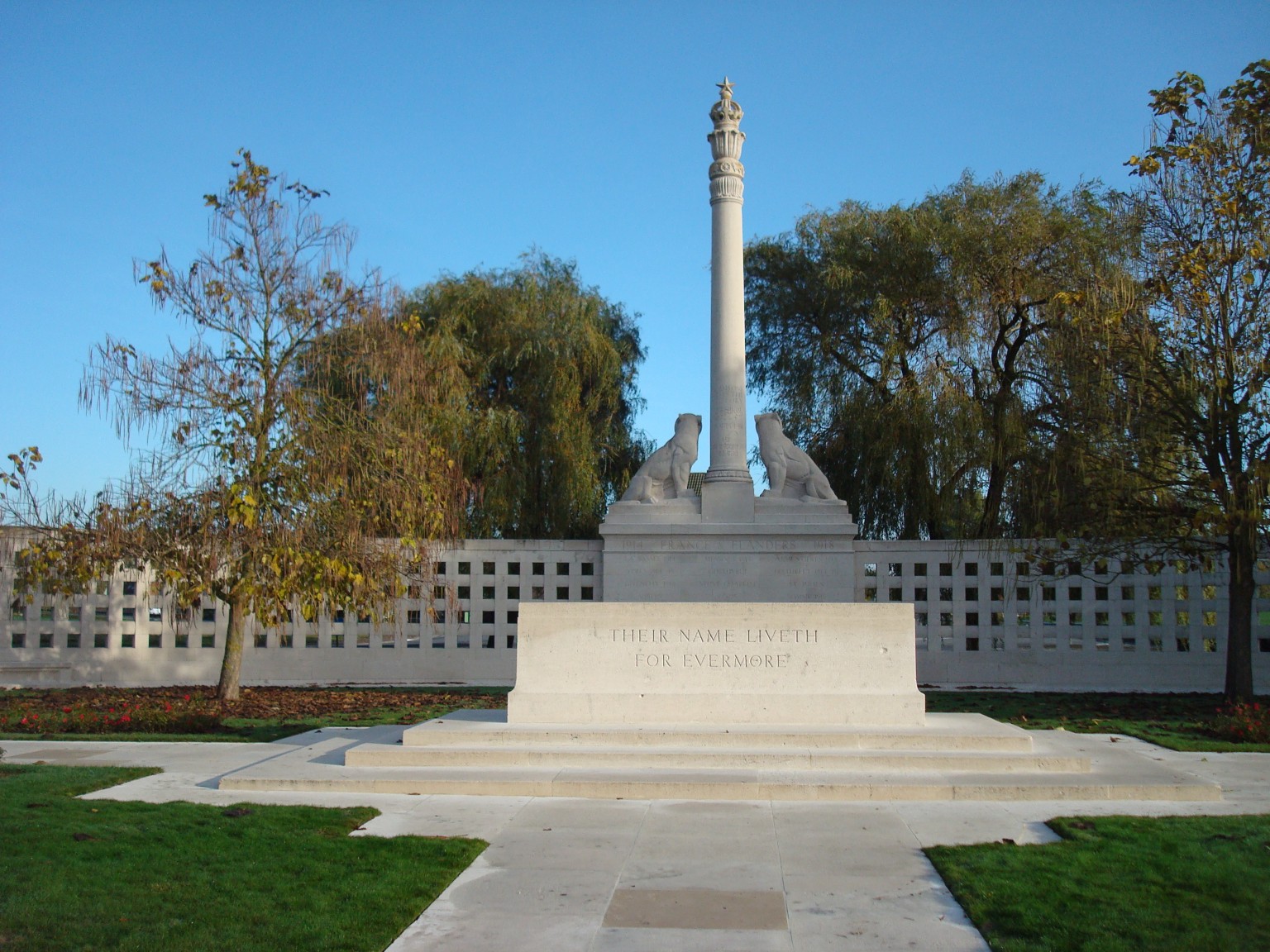
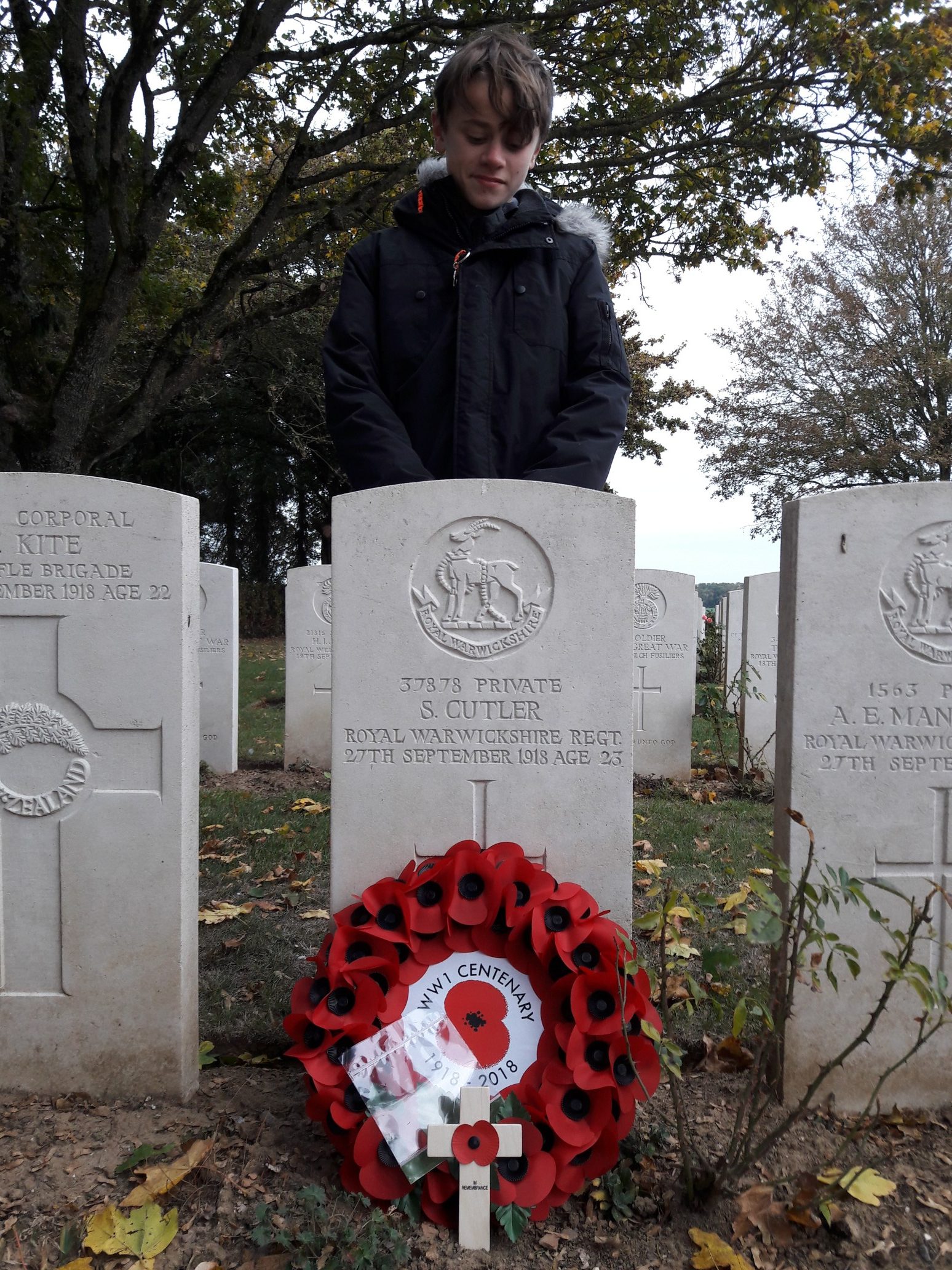
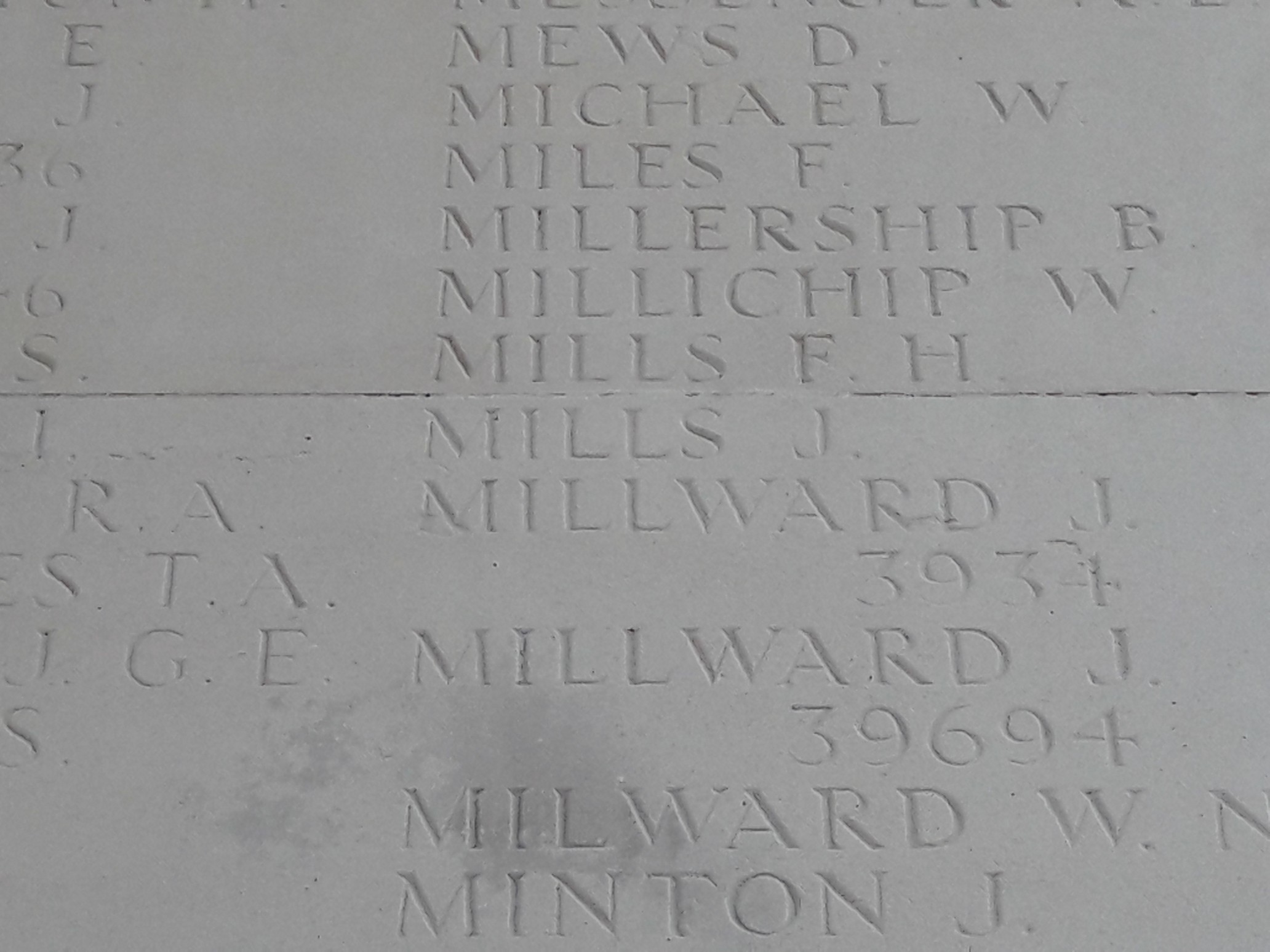
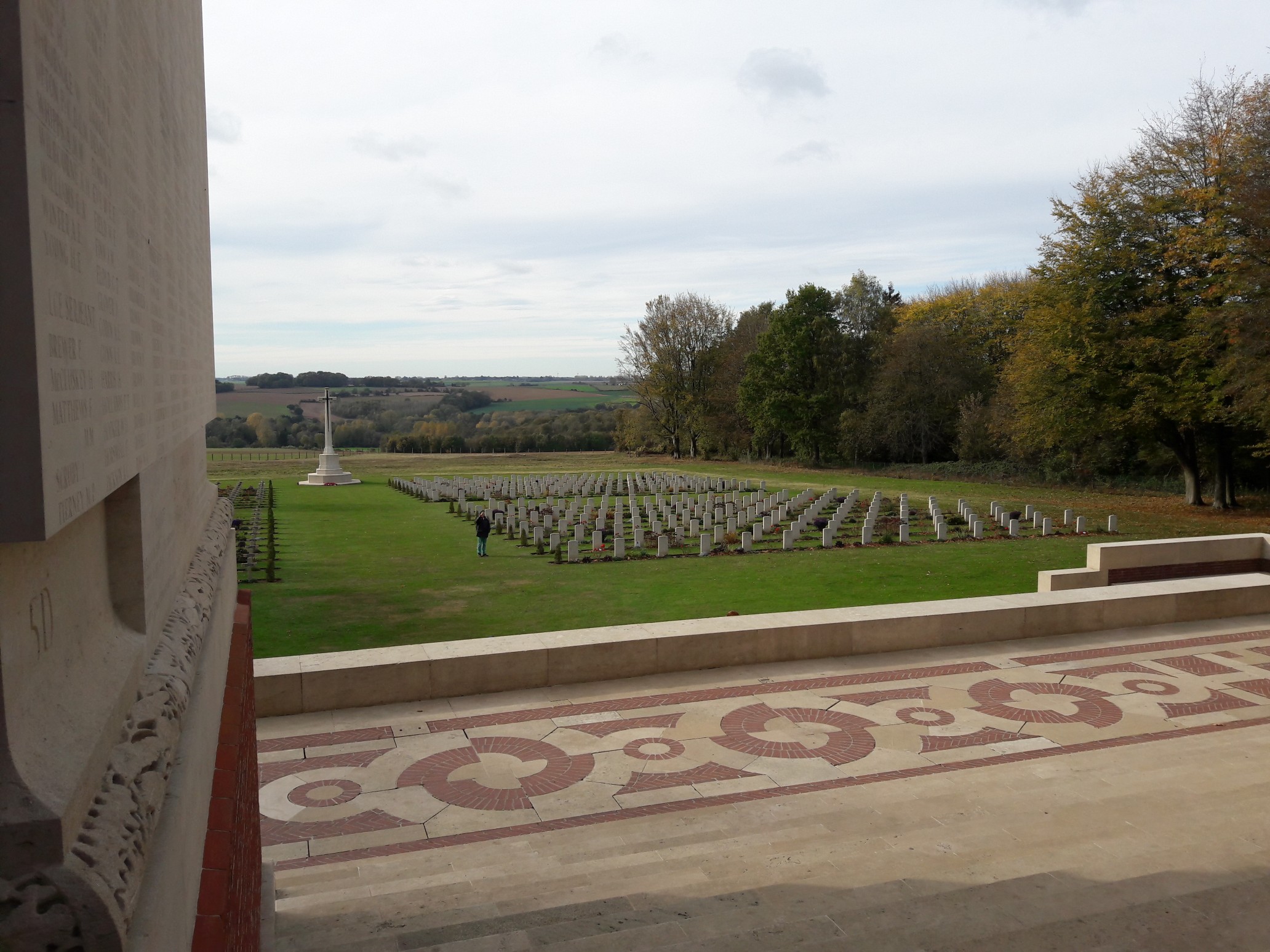
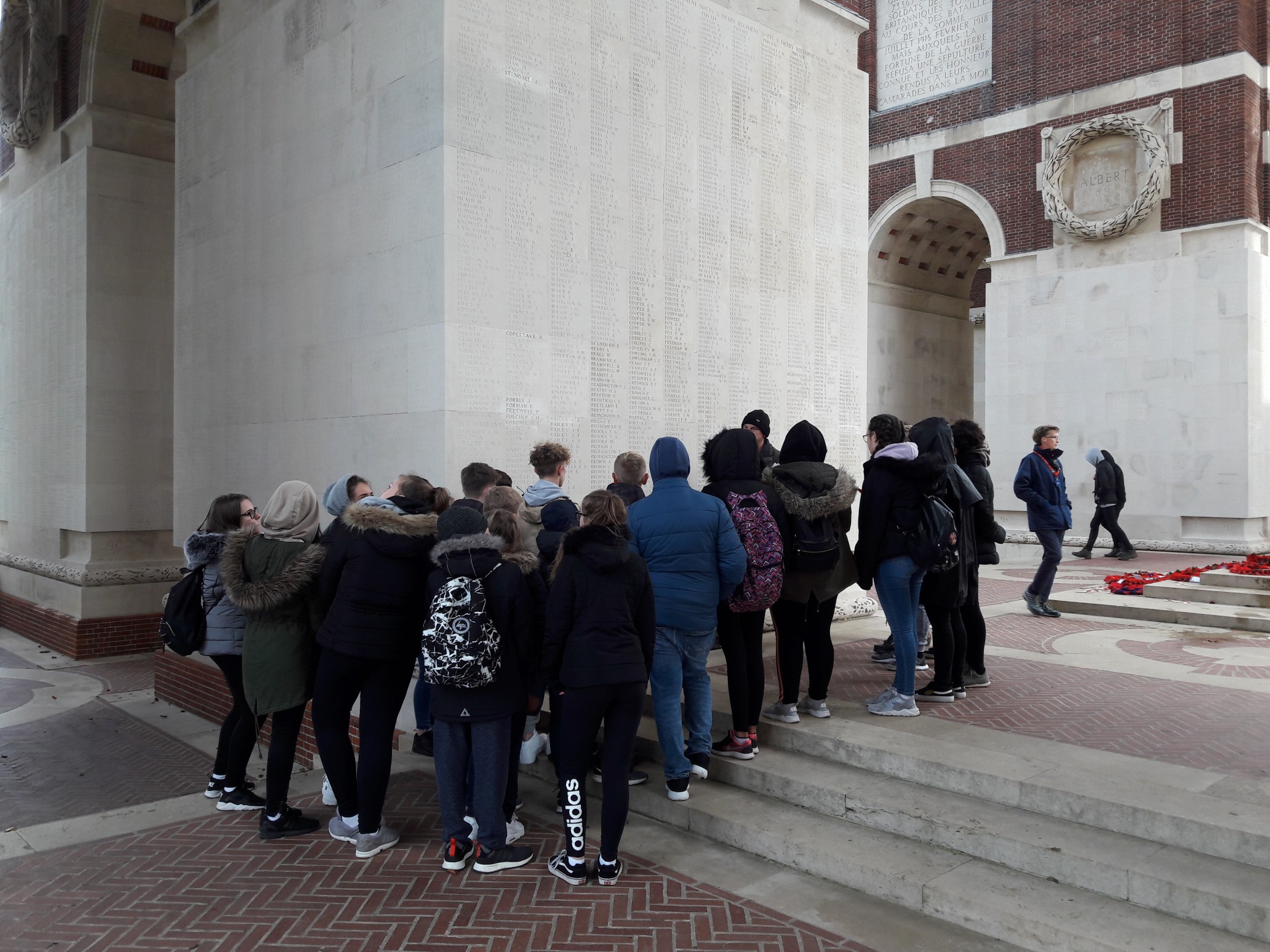
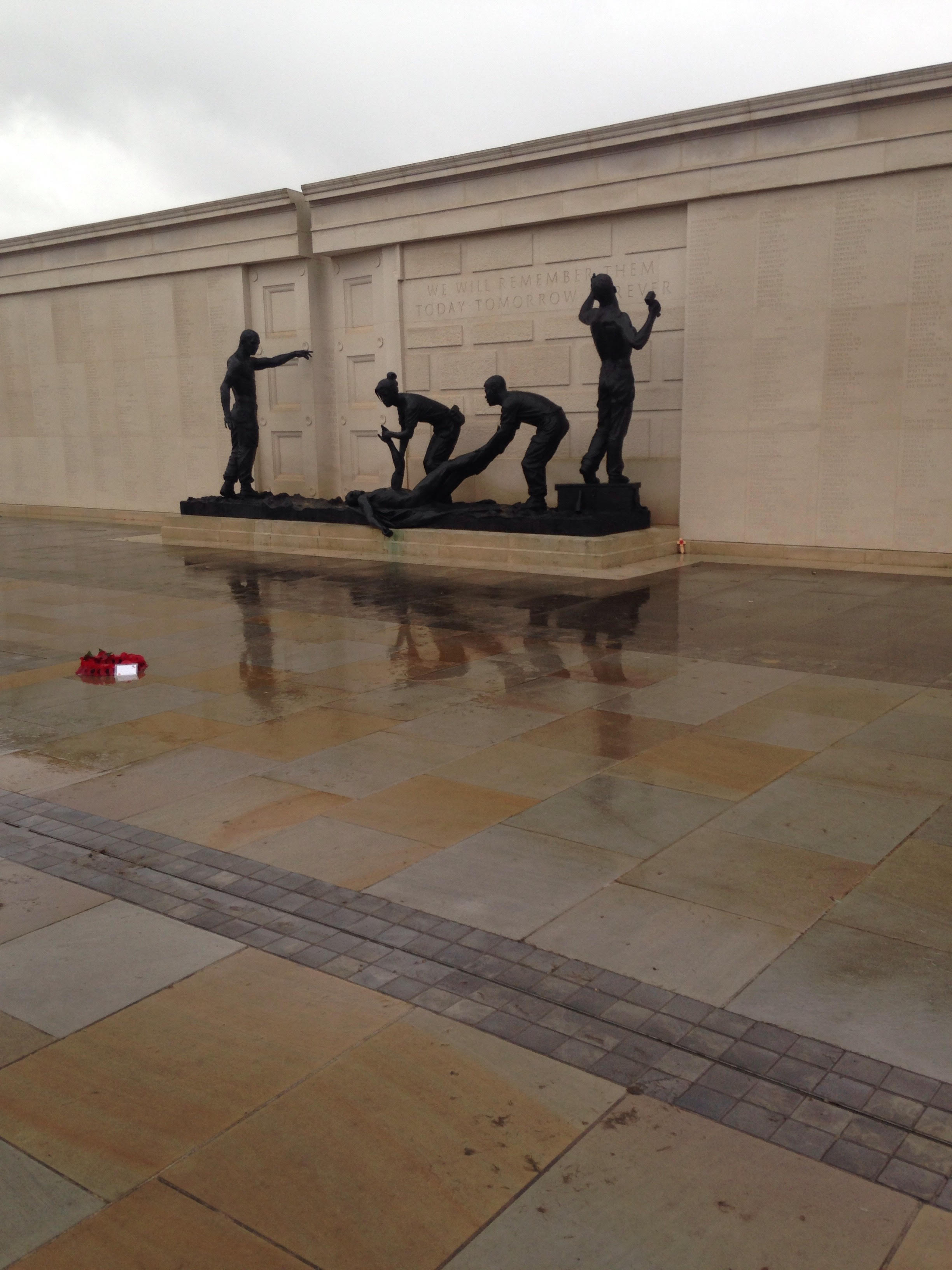
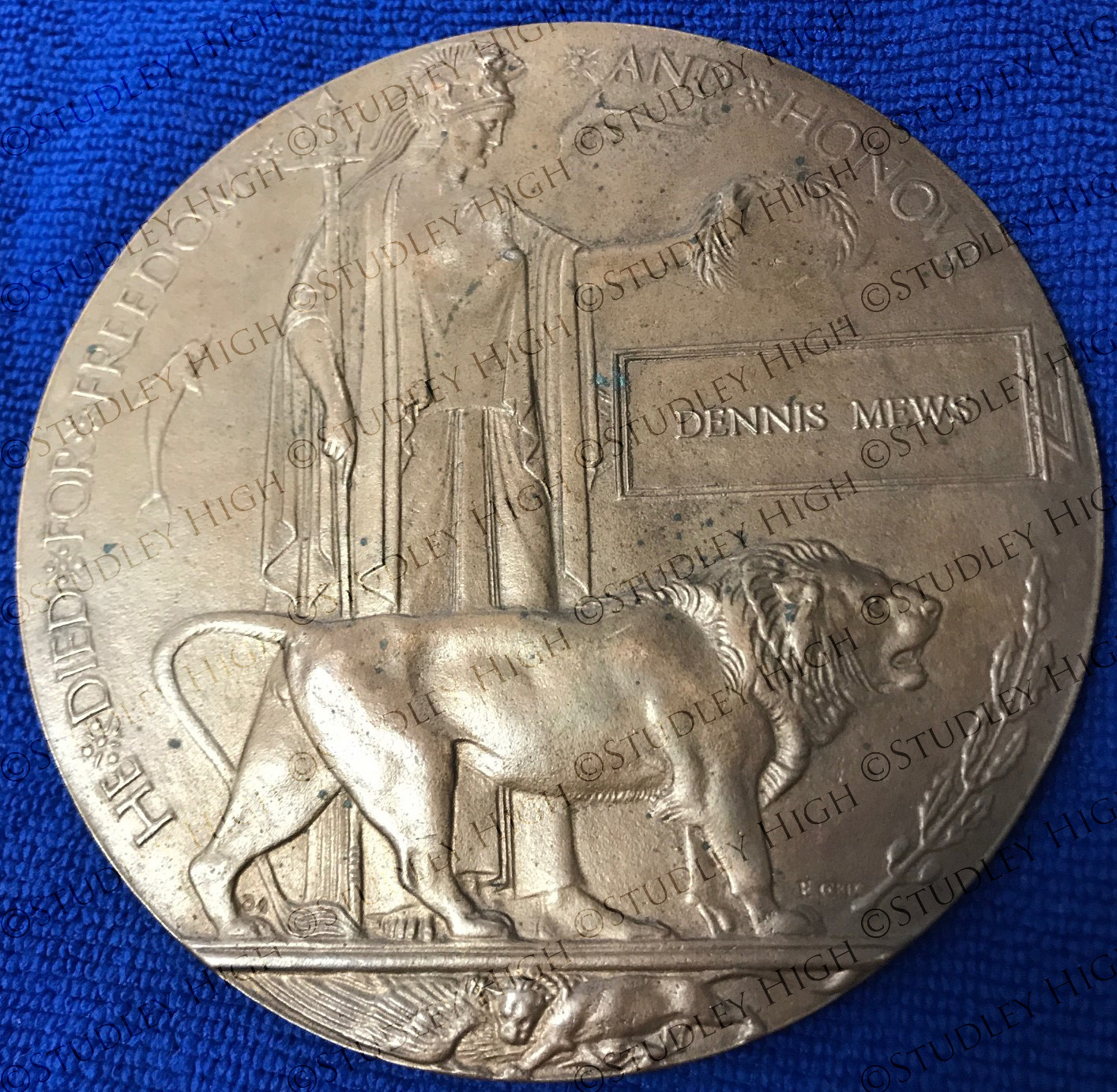
Pupils made their way to Thiepval, which is the largest of the Memorials to the Missing men of the war. On the panels of the arches are the names of those who have no known grave and are thus ‘the Missing.’ There are over 70,000 names on the arches of men who died in the Battles of the Somme. The memorial was unveiled by the then Prince of Wales on the 1st of August, 1932. He made a speech partly in French and British and said that ‘our first thoughts should be with the relatives of those whose death has purchased our current freedom’. This was particularly moving as we found names of those from Studley listed or with some association to Studley High today. Mrs Wakeman great grandfather Dennis Mews was just one of the names listed on the memorial and being so far from home with yet so many connections to the Great War reinforced how global this conflict was. One of the highlights for the group was being able to trace Ethan’s great great uncle and place a wreath at his final resting place. Unlike many, Samuel Cutler’s resting plan is known and can be visited. This was one of the first times Samuel had been visited and it was an honour to offer remembrance to him.
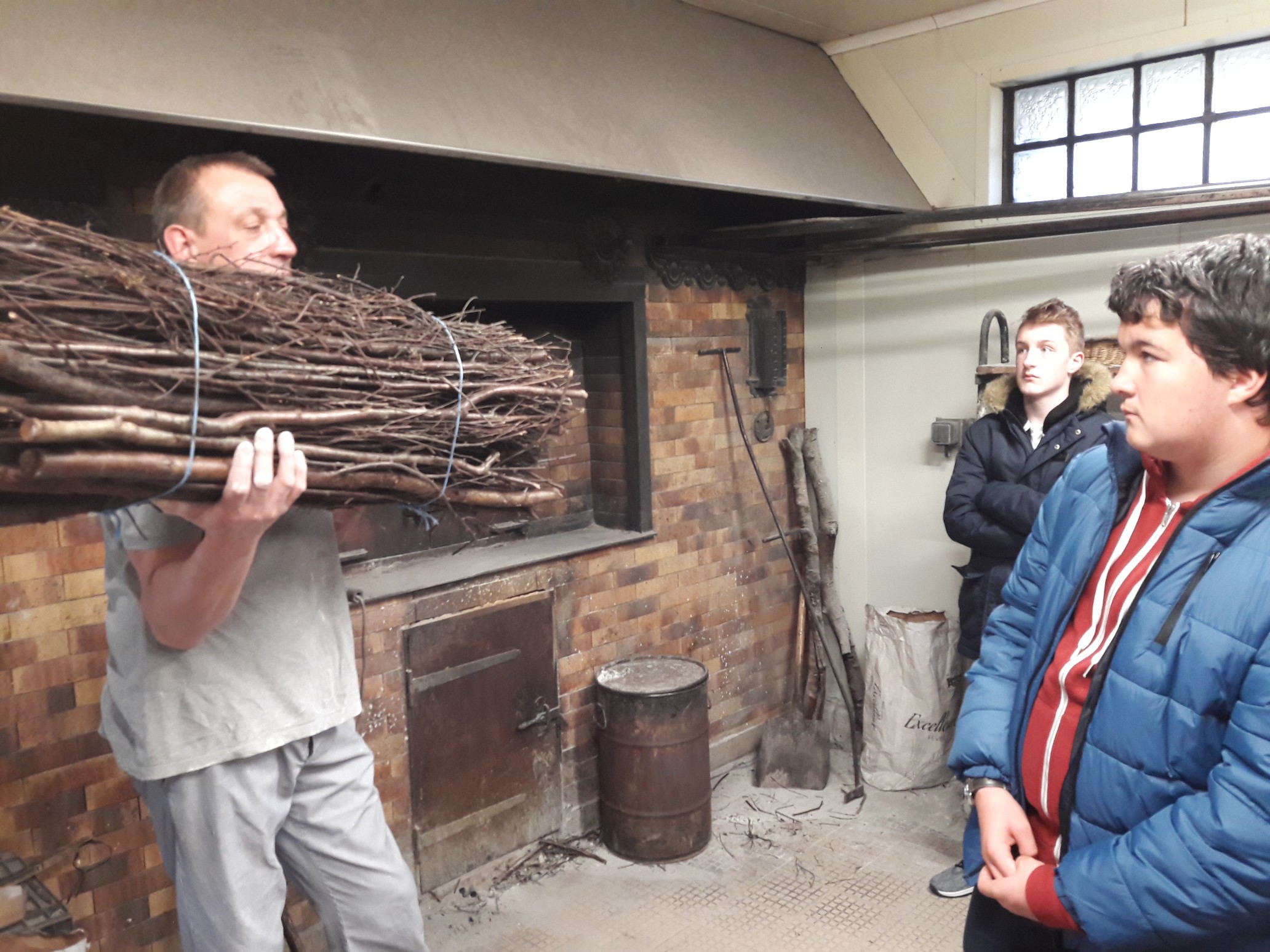
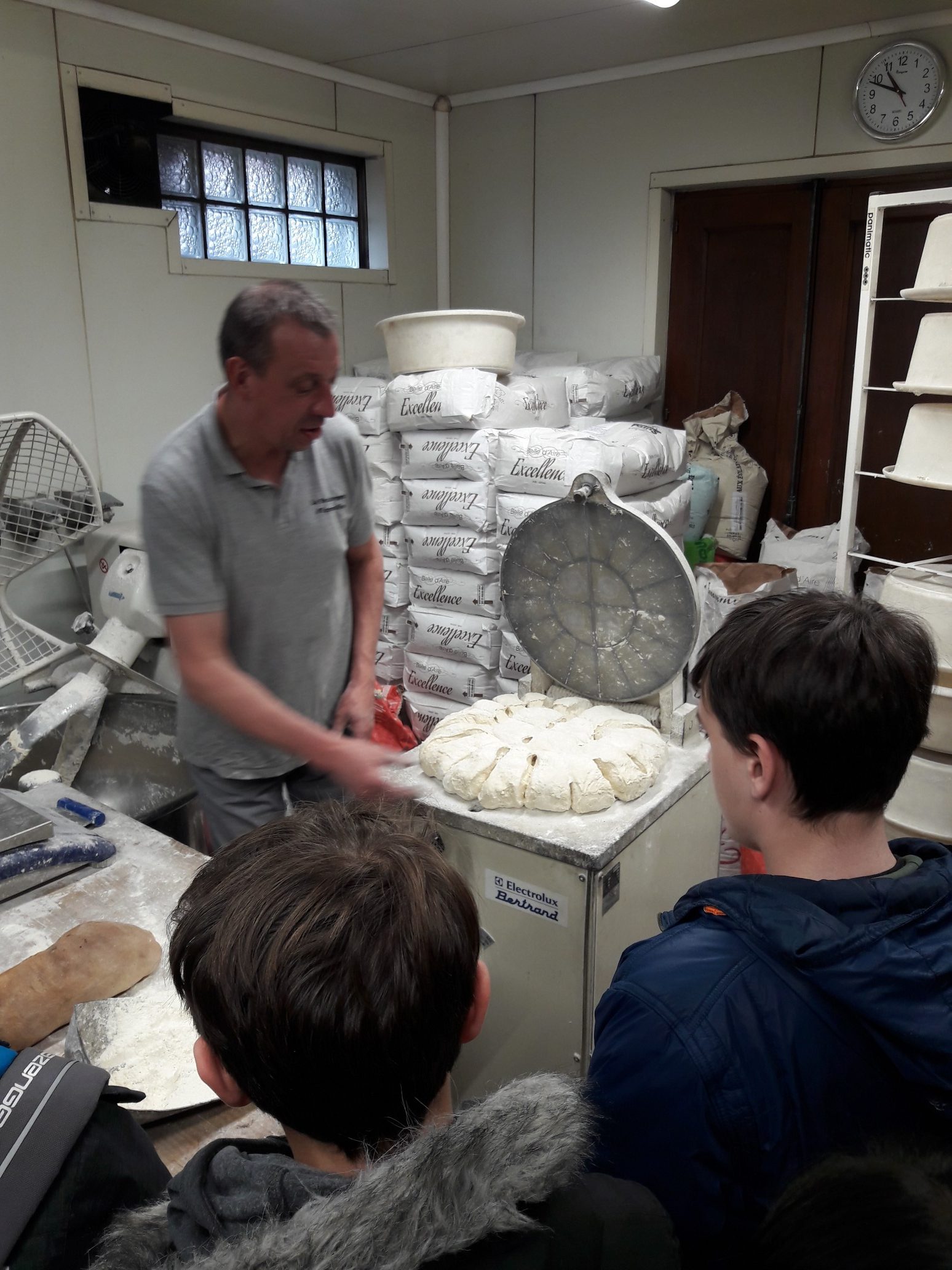
The next day, pupils explored Boulangerie Escoeilles where hosts took pupils through their rustic and traditional bread making methods which attracts people from over 1 hour away! Discussion took place, in French, about the bread making process which was a fantastic and immersive cultural experience for all.
The final day was spent exploring Langemark German cemetery. This cemetery outlined a stark contrast to the bright and uplifting memorials we had just seen and many of us considered it to be a different experience altogether. This was a stark comparison to our second and final stop of the day at Tyne Cot allied cemetery.
A special mention must go to the Guild of Battlefields Guide, Andy Johnson, who offered the pupils a superbly academic rich history of WW1 and made each visit to each site personal and left the group with plenty to think about!
Nex stop – October 2019 when the French and Belgium cross-curricular tour will return bigger and better. Watch out for this fantastic opportunity for our new GCSE students!
This trip expanded my knowledge on the First World War, while giving me a real understanding of those who served by listening into their stories. One still sticks with me is the story of Nellie.
K.B
Purely Inspirational. Being part of the Menin Gate wreath laying ceremony is a once in a lifetime experience which I shall never forget.
HC
It was great. It gave me a real opportunity to immerse in French culture. Having a chance to practise my French with real French people was really nerve wracking but has built my confidence massively. We even looked into the culture of the French and the stories/fables told when young. It is very similar to our “turtle and the hare” idea but was a side of France I had never even considered! MM