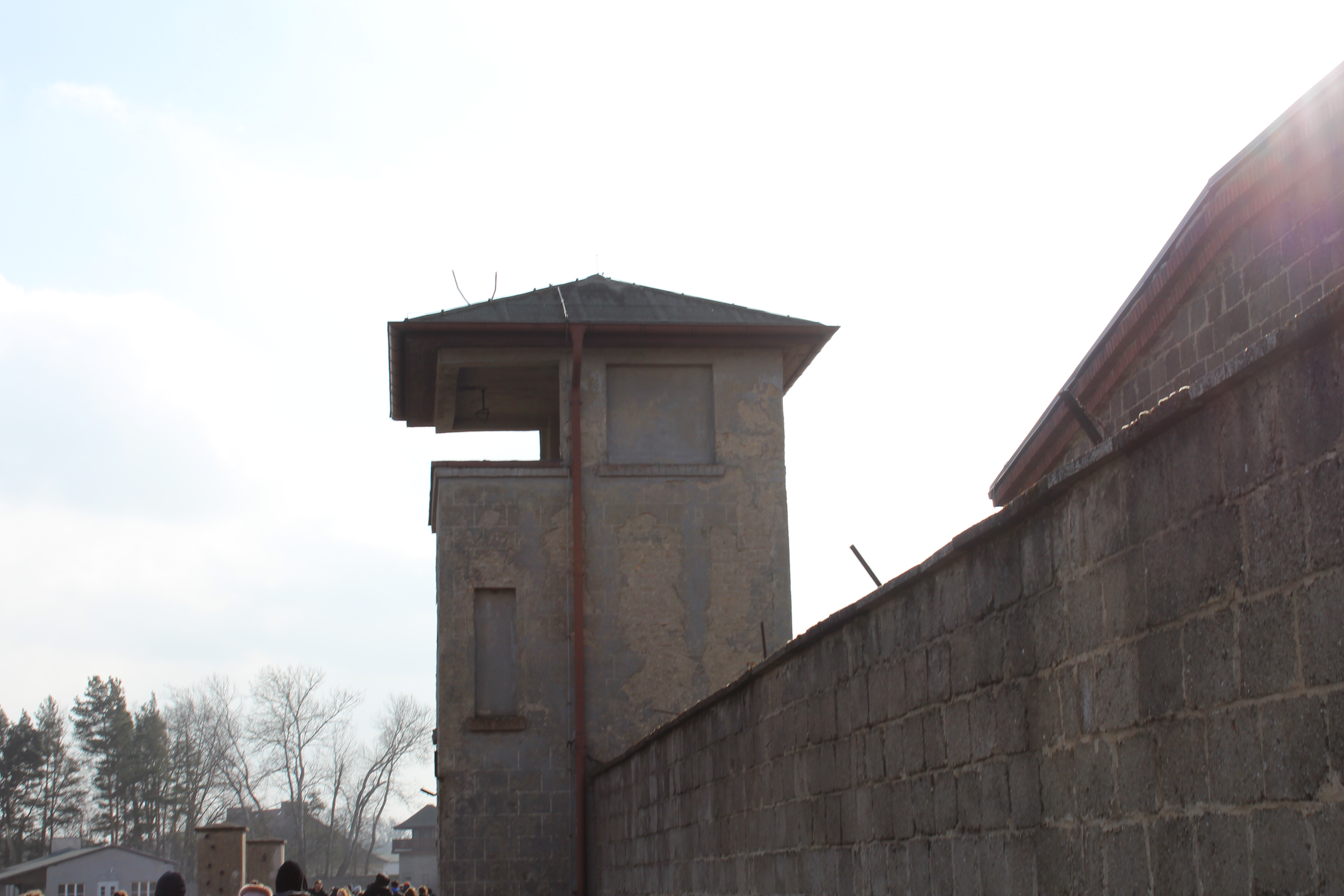
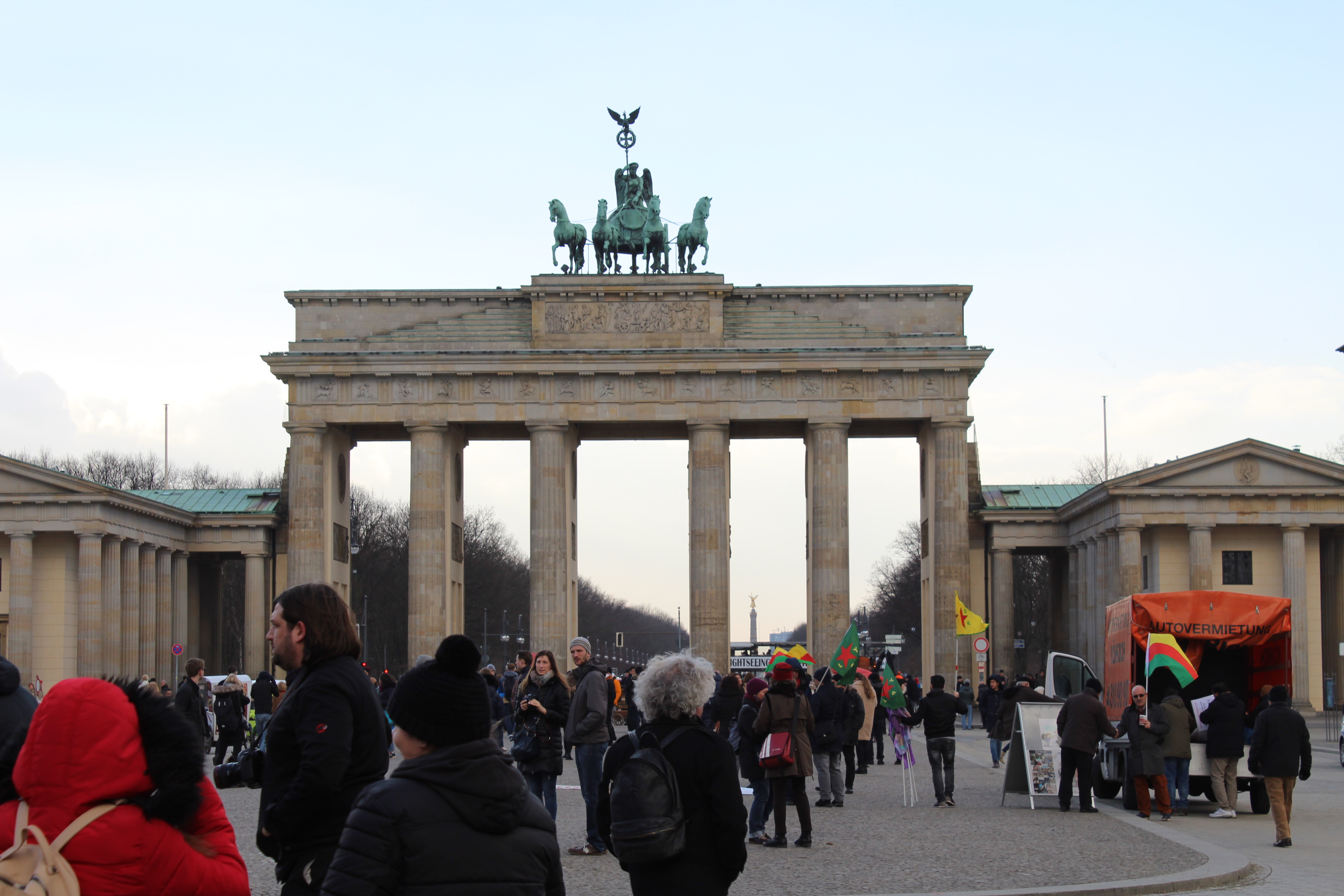
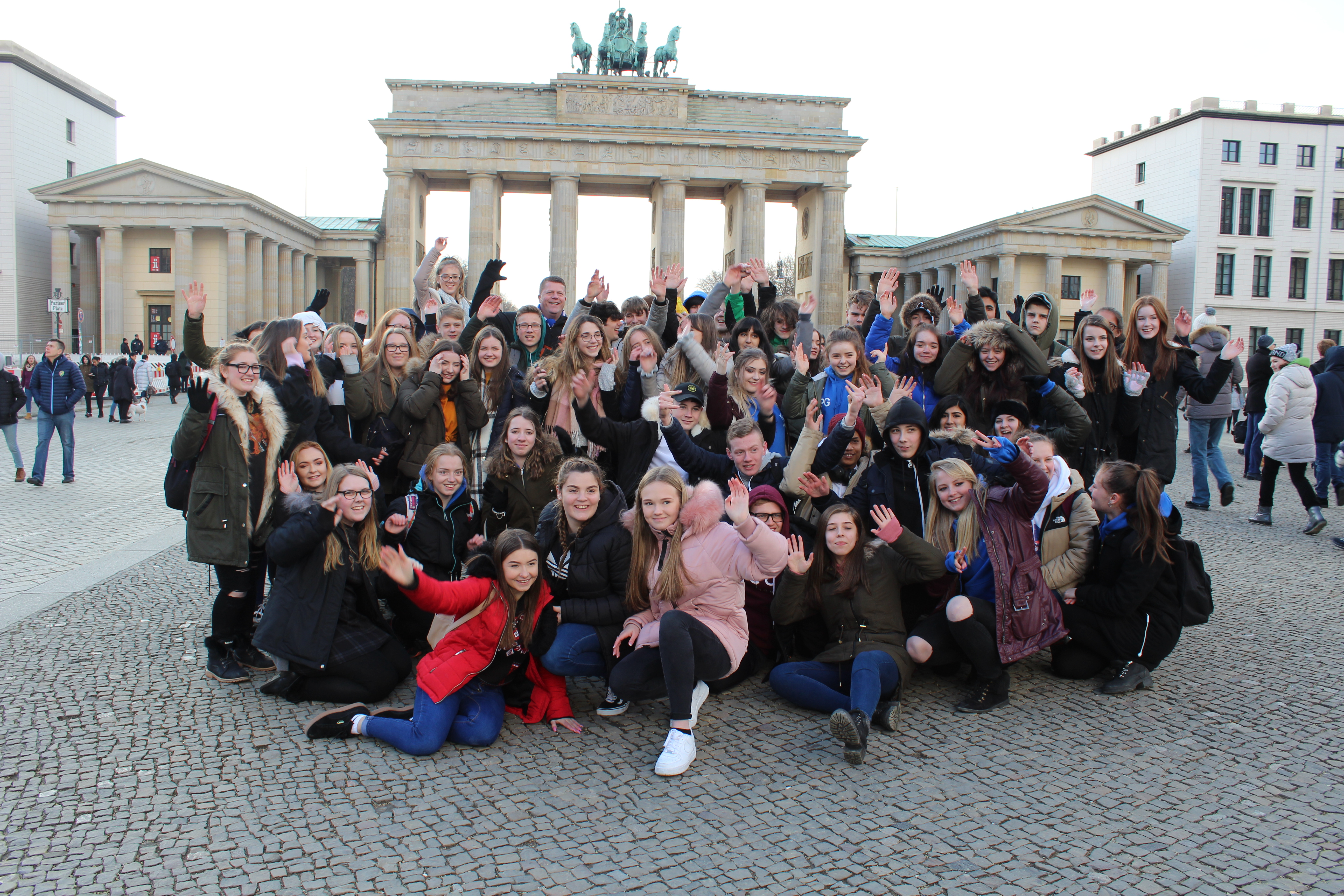
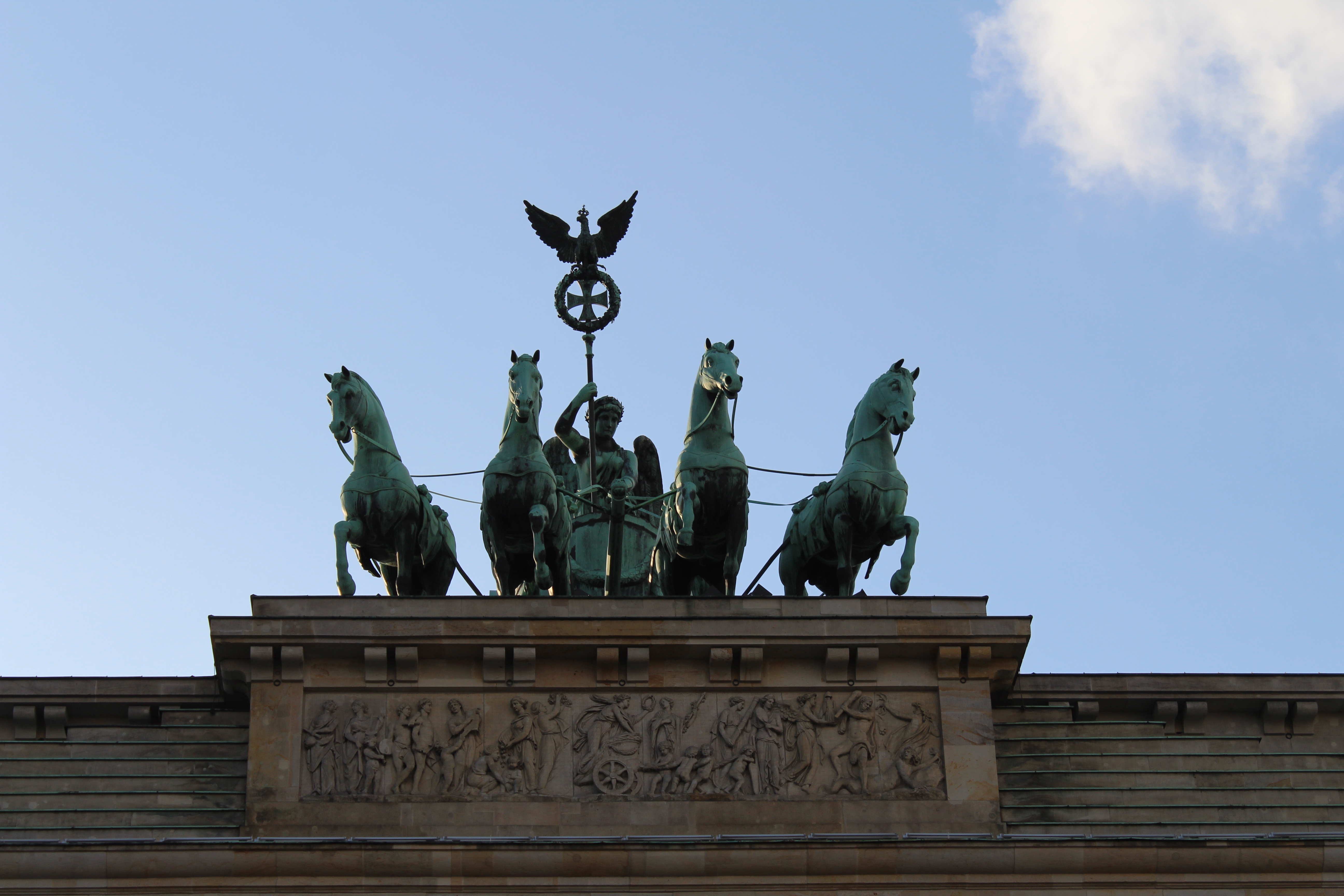
This week, we are remembering the events and tragedy of the Holocaust, as it is Holocaust Memorial Day on 27th January this year.
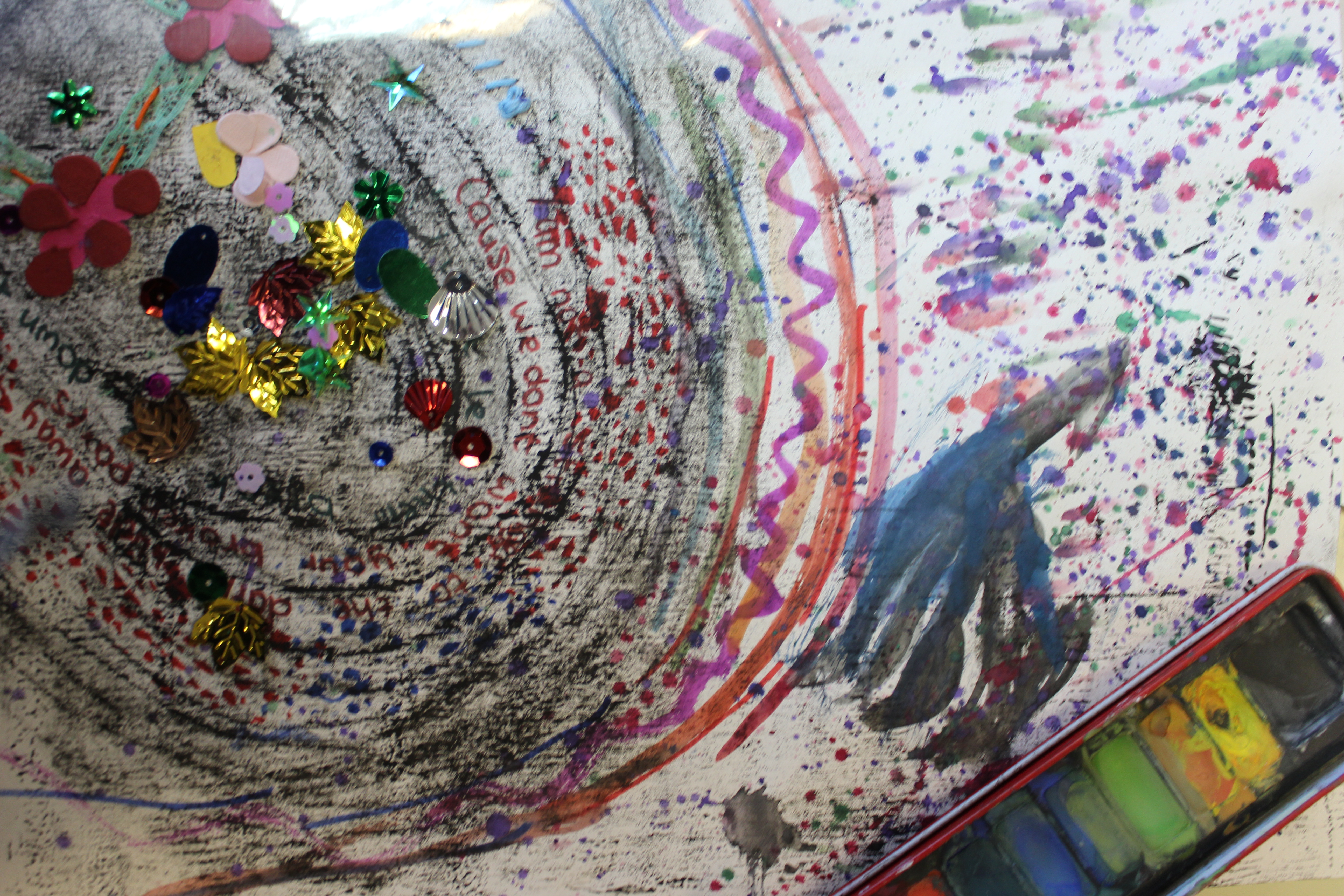
We won’t be spared and will go bravely into the unknown
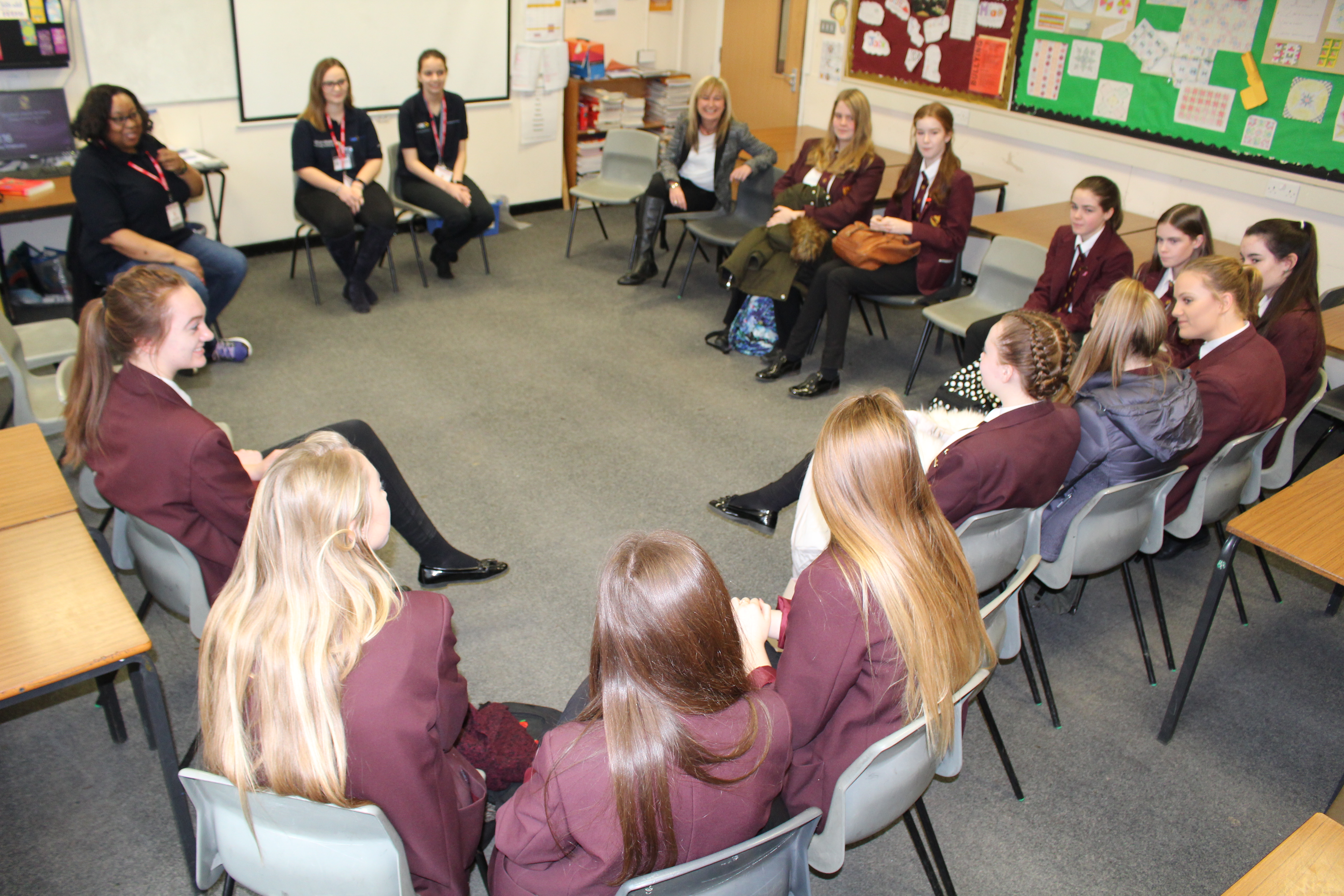
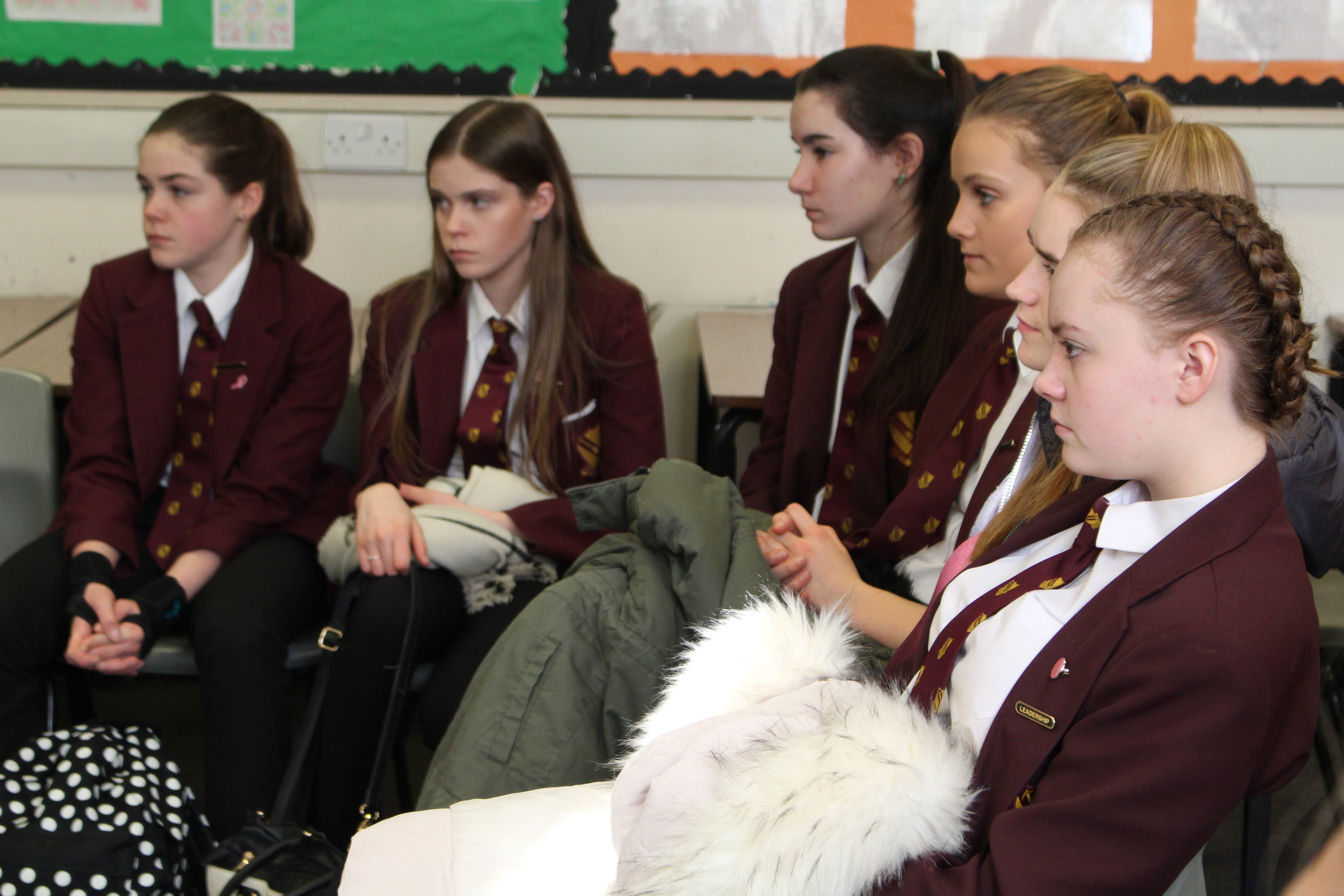
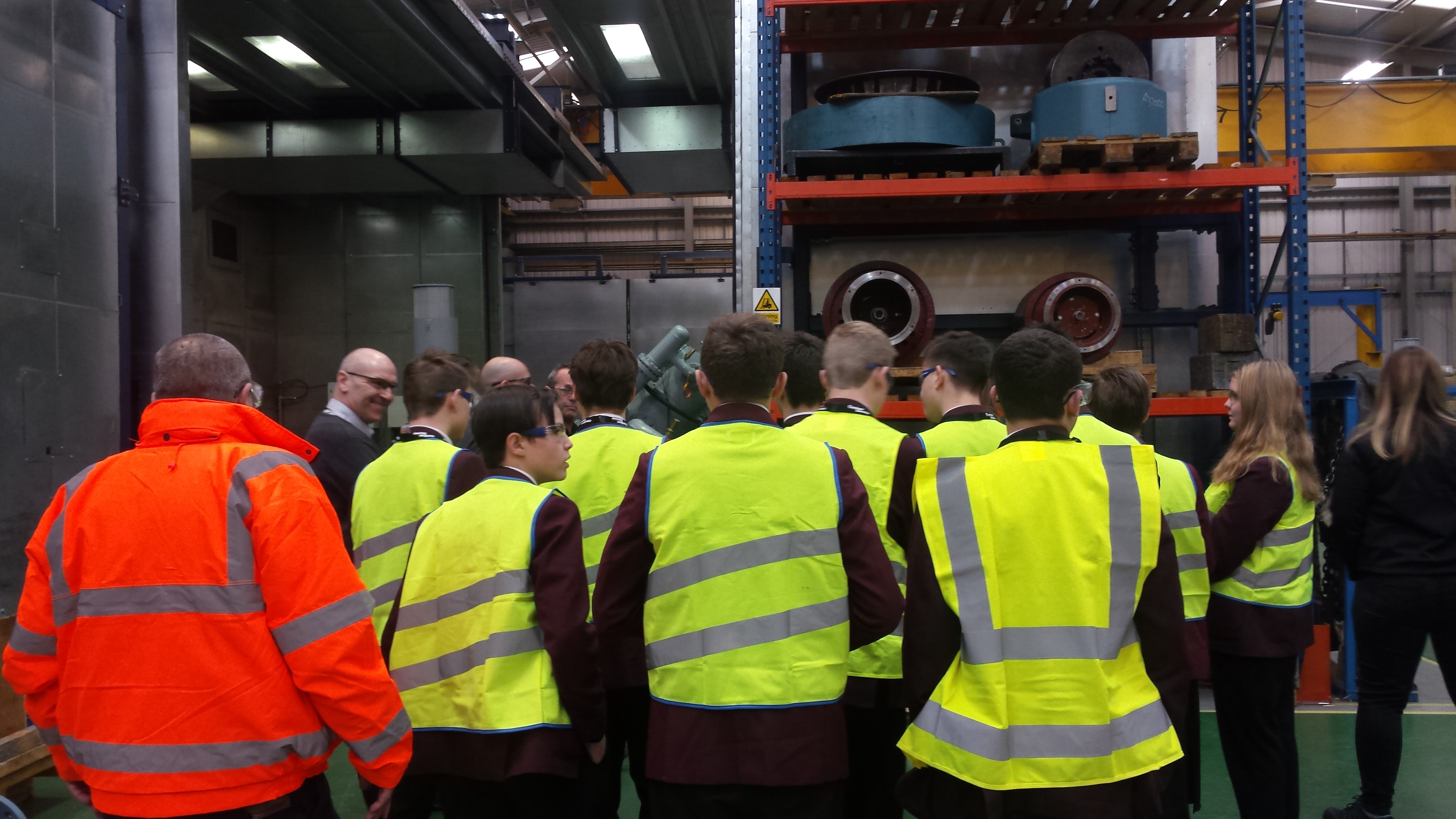
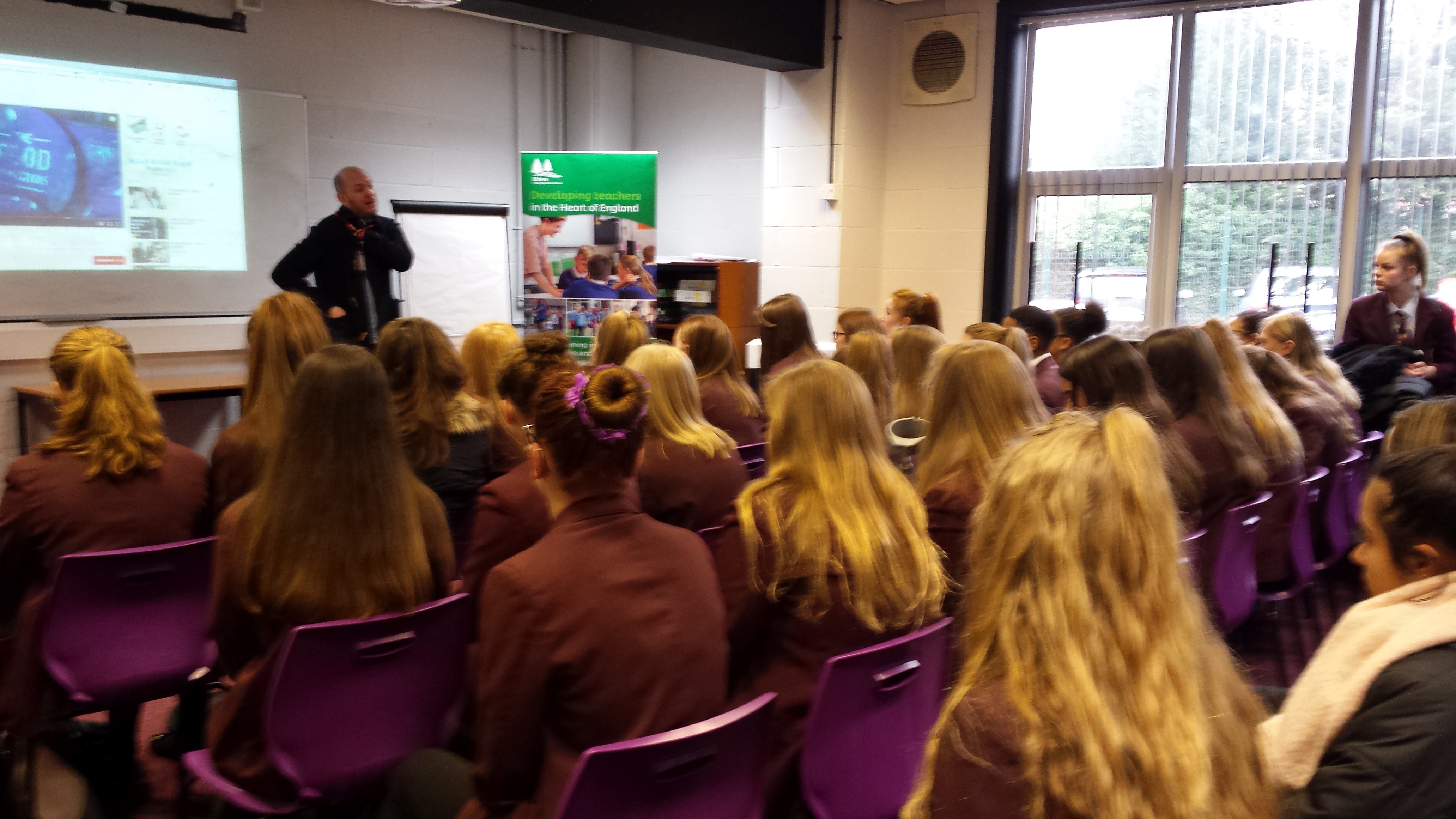
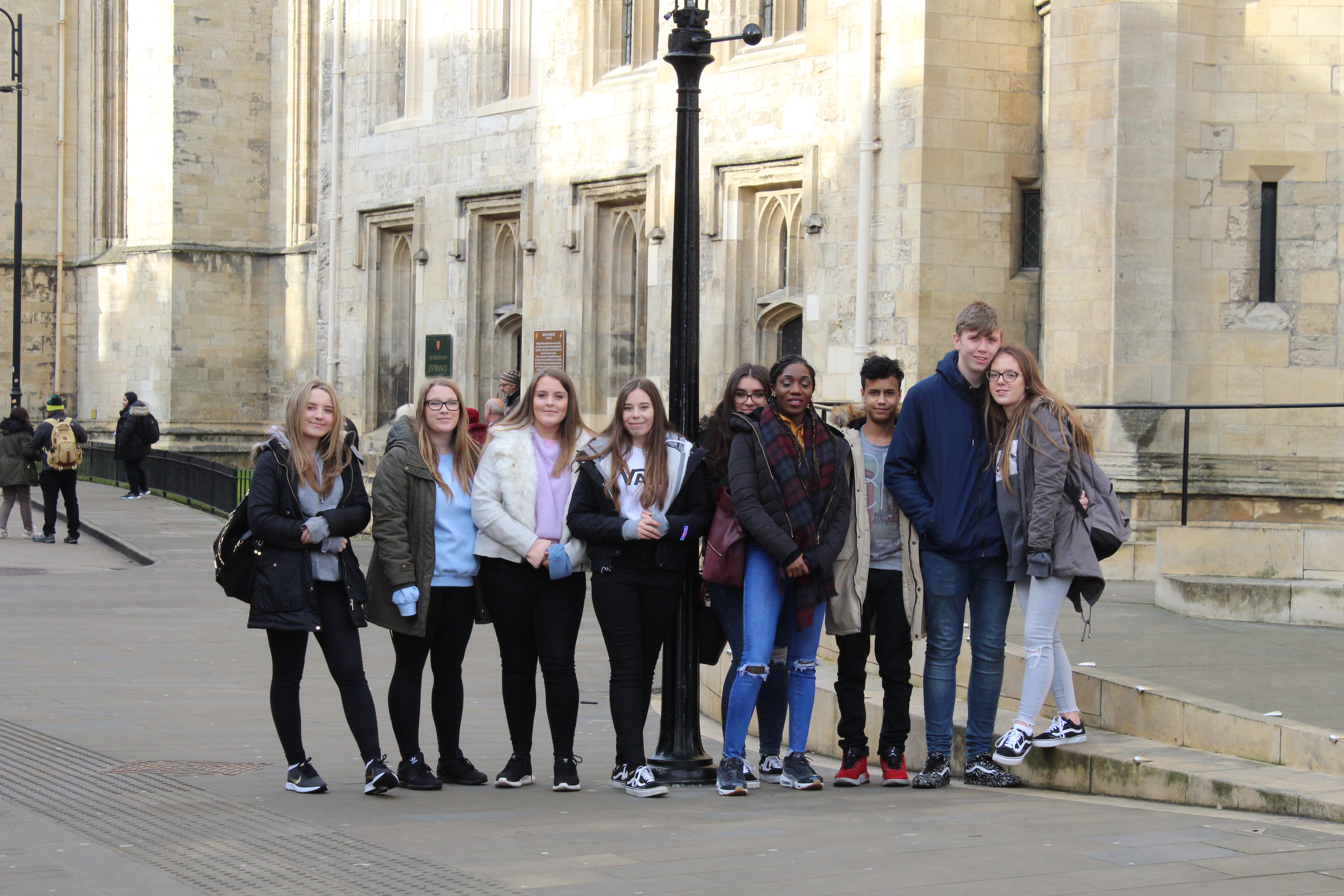
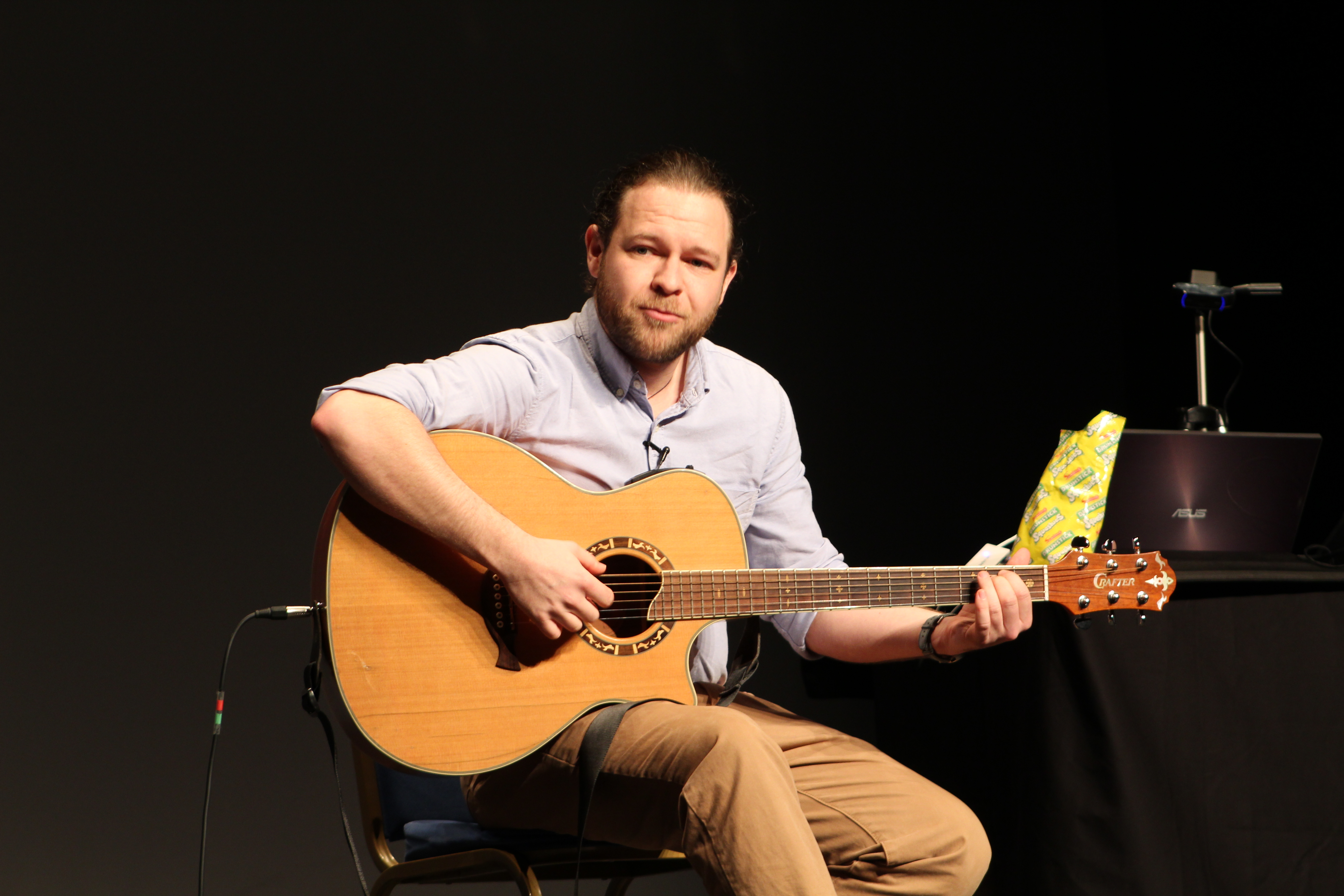
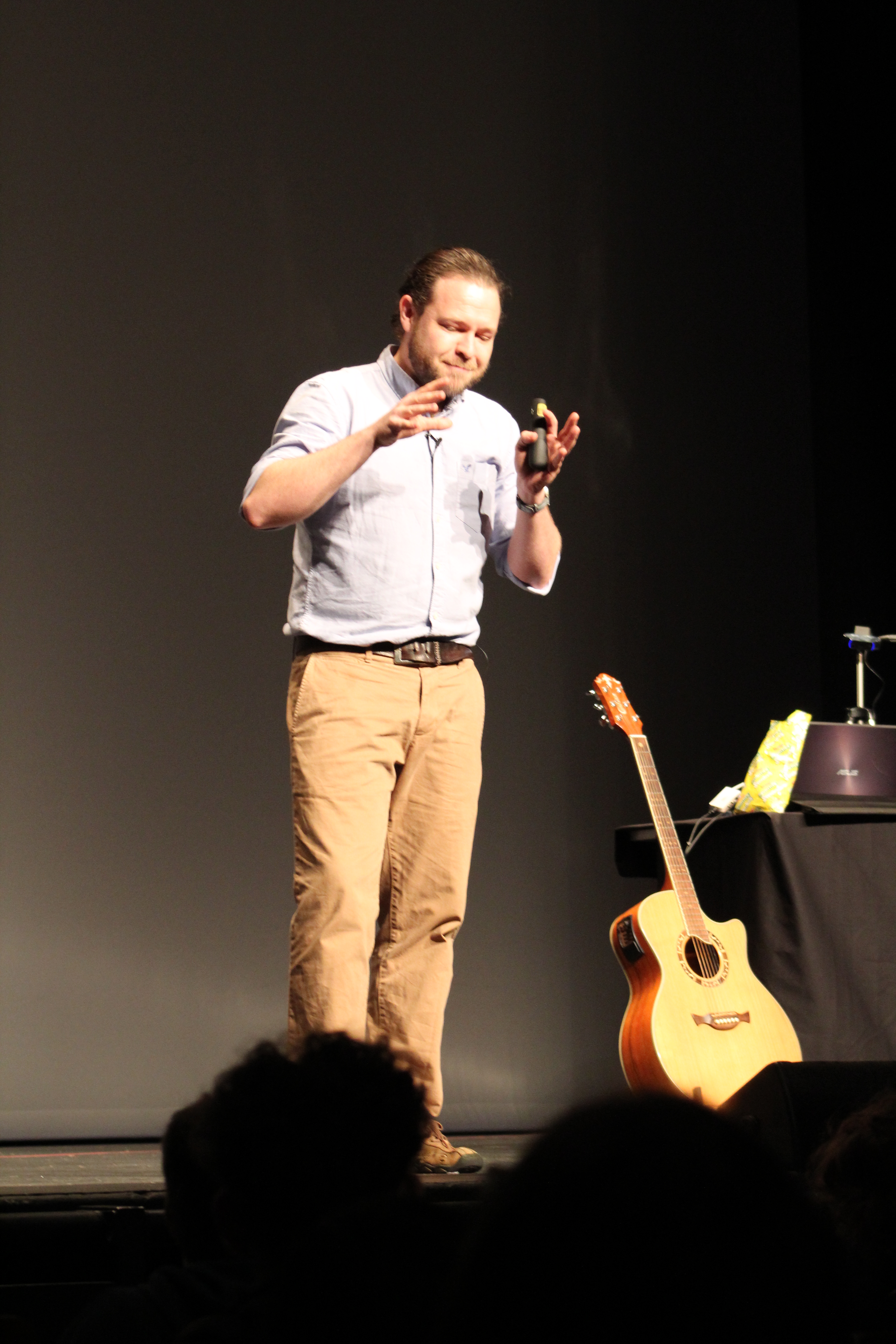
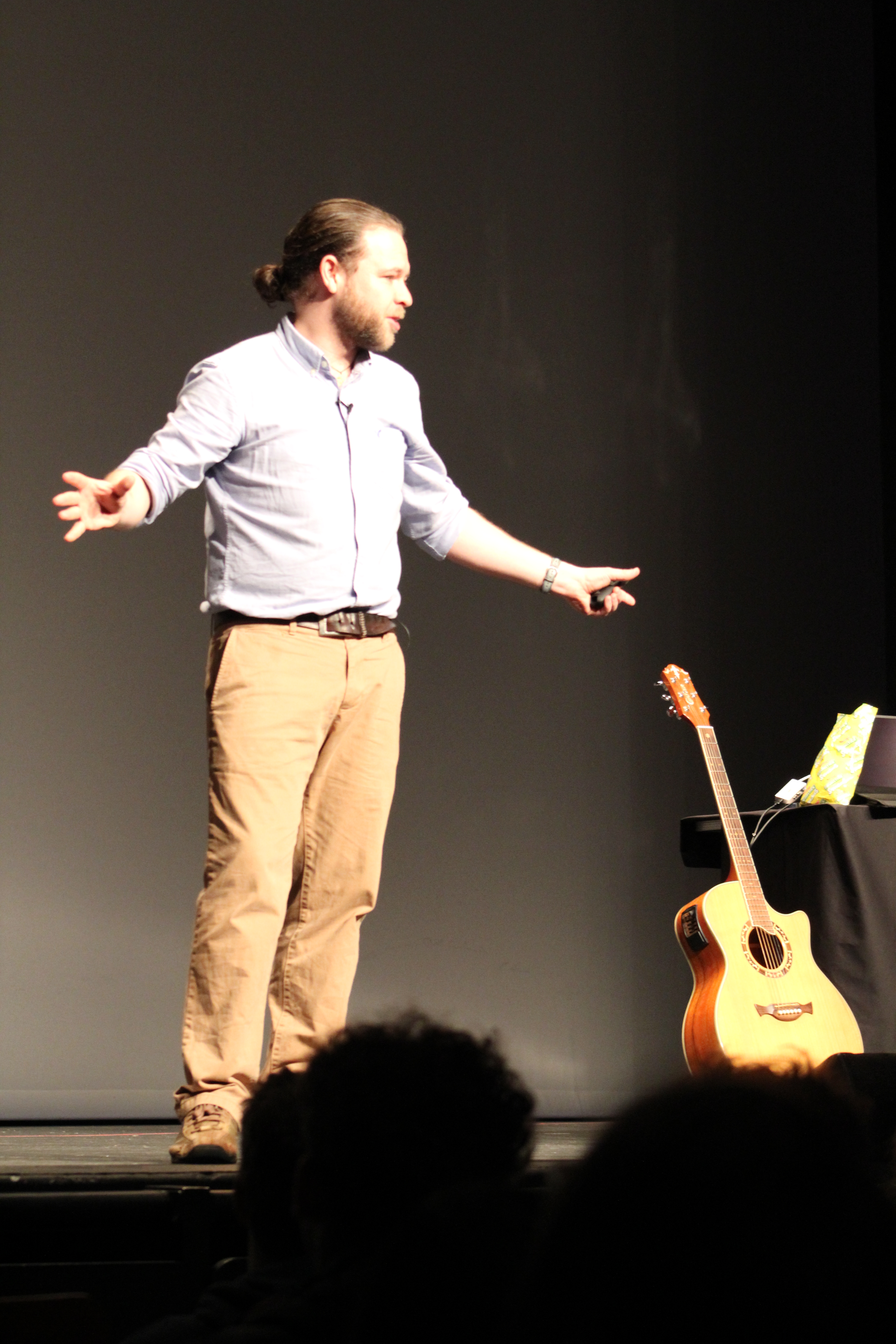
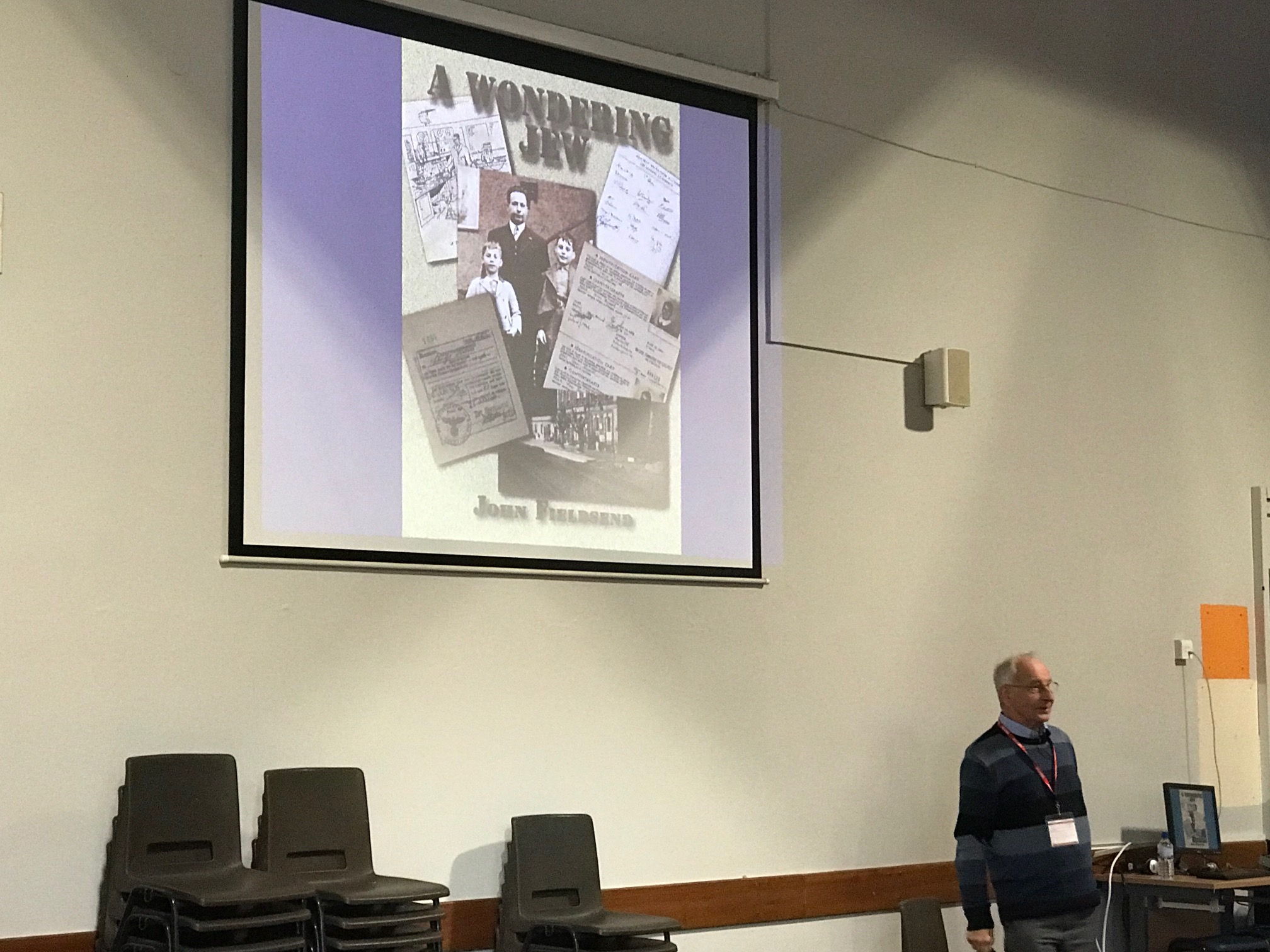
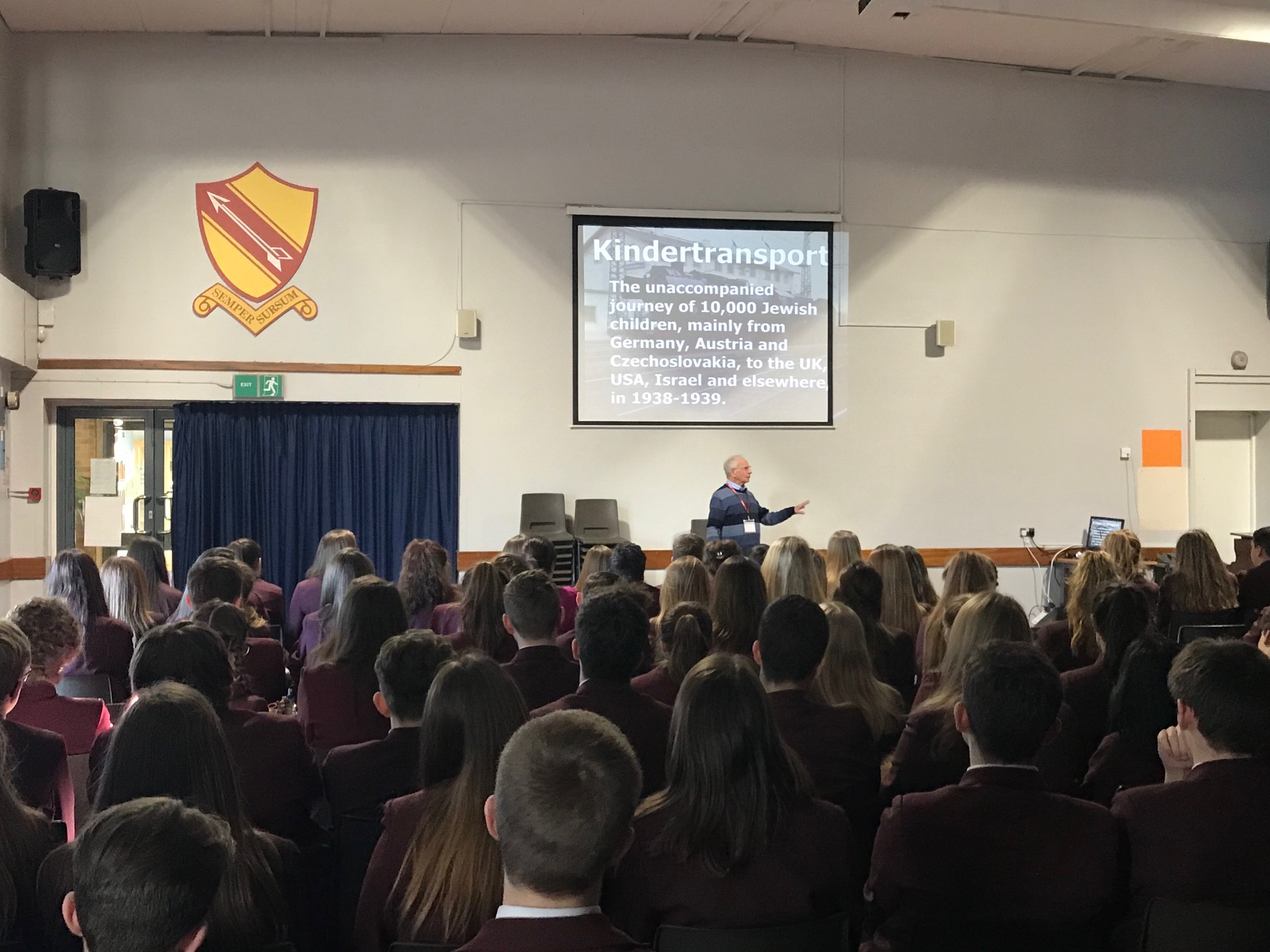
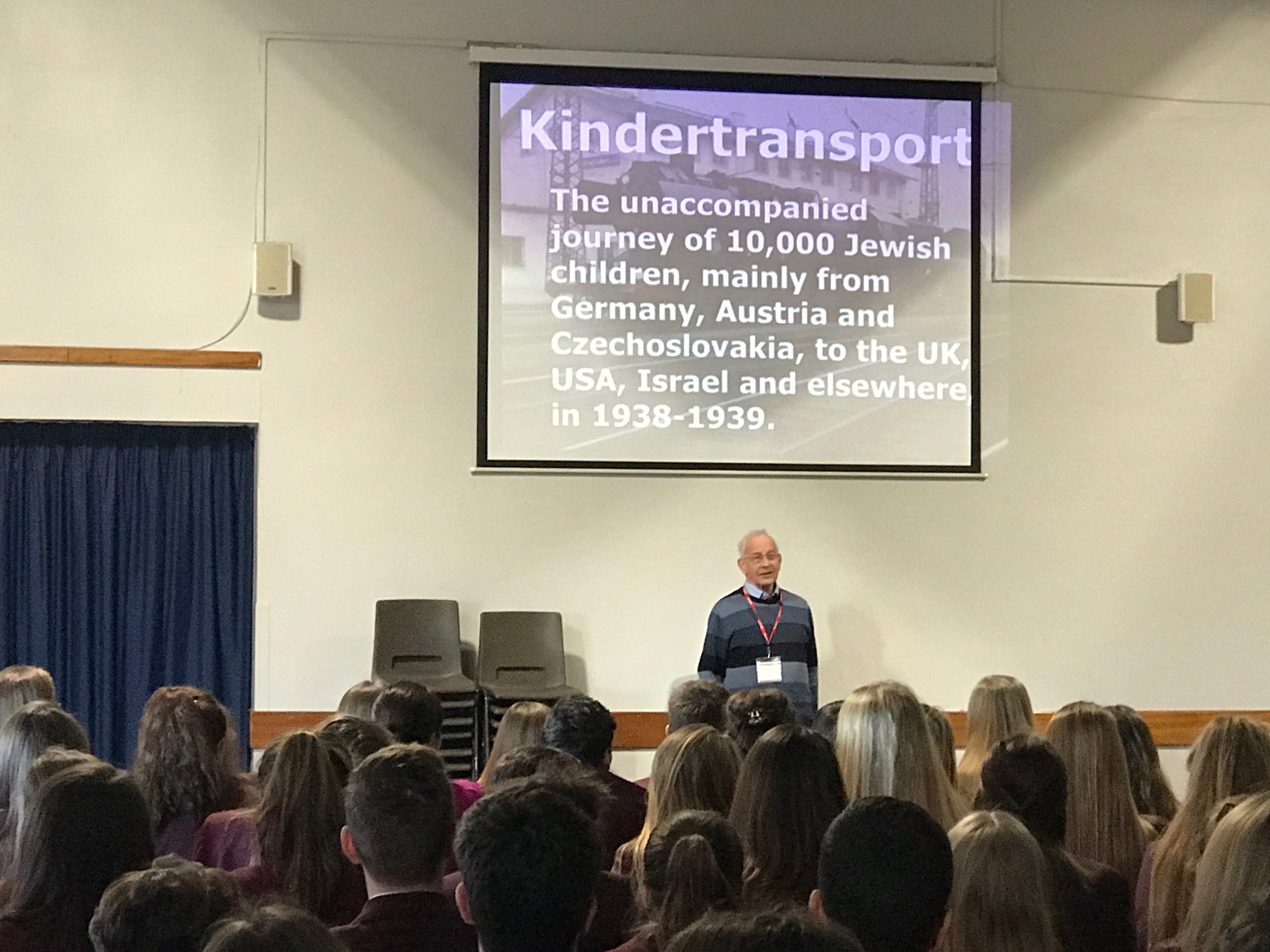
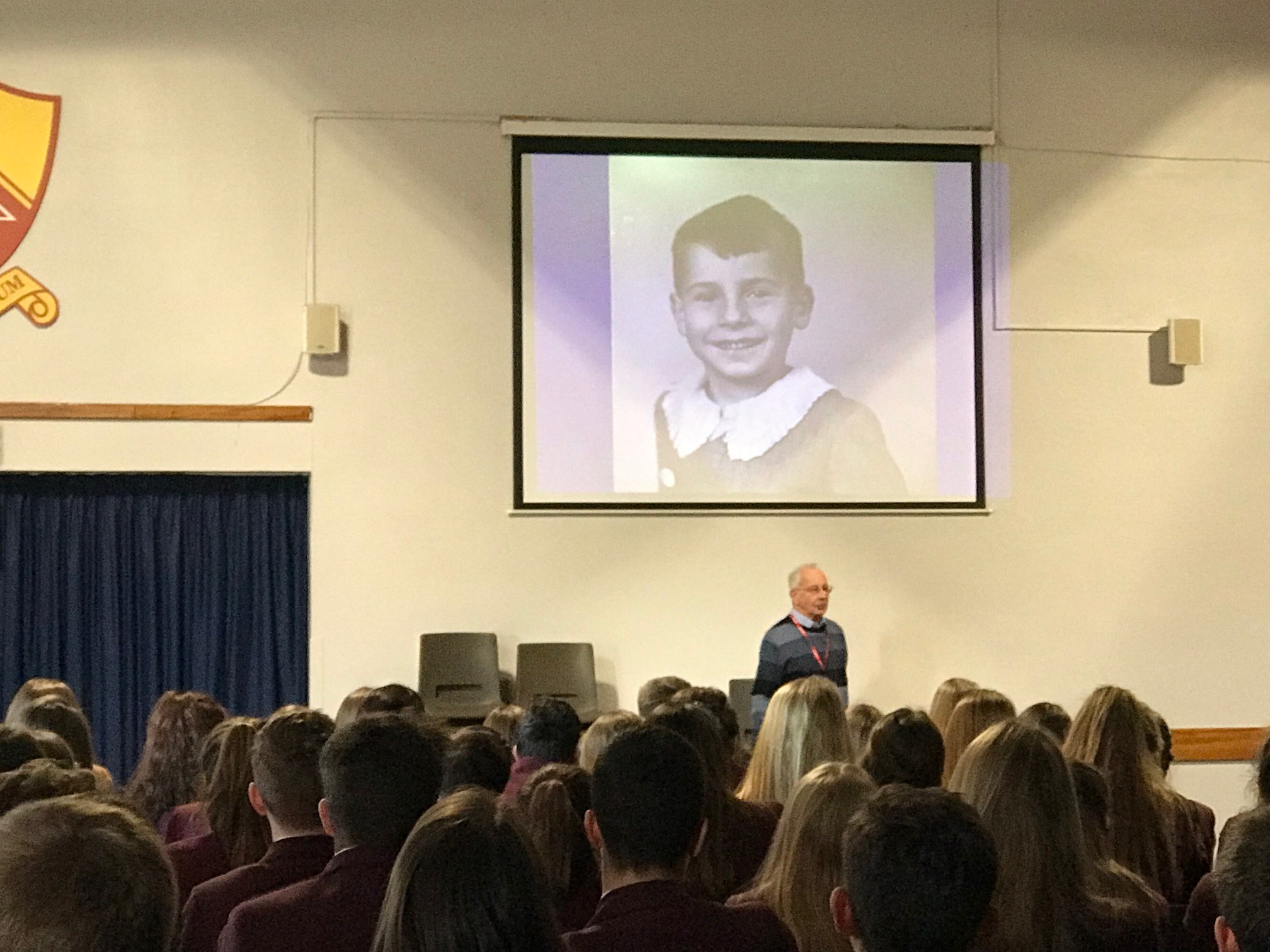
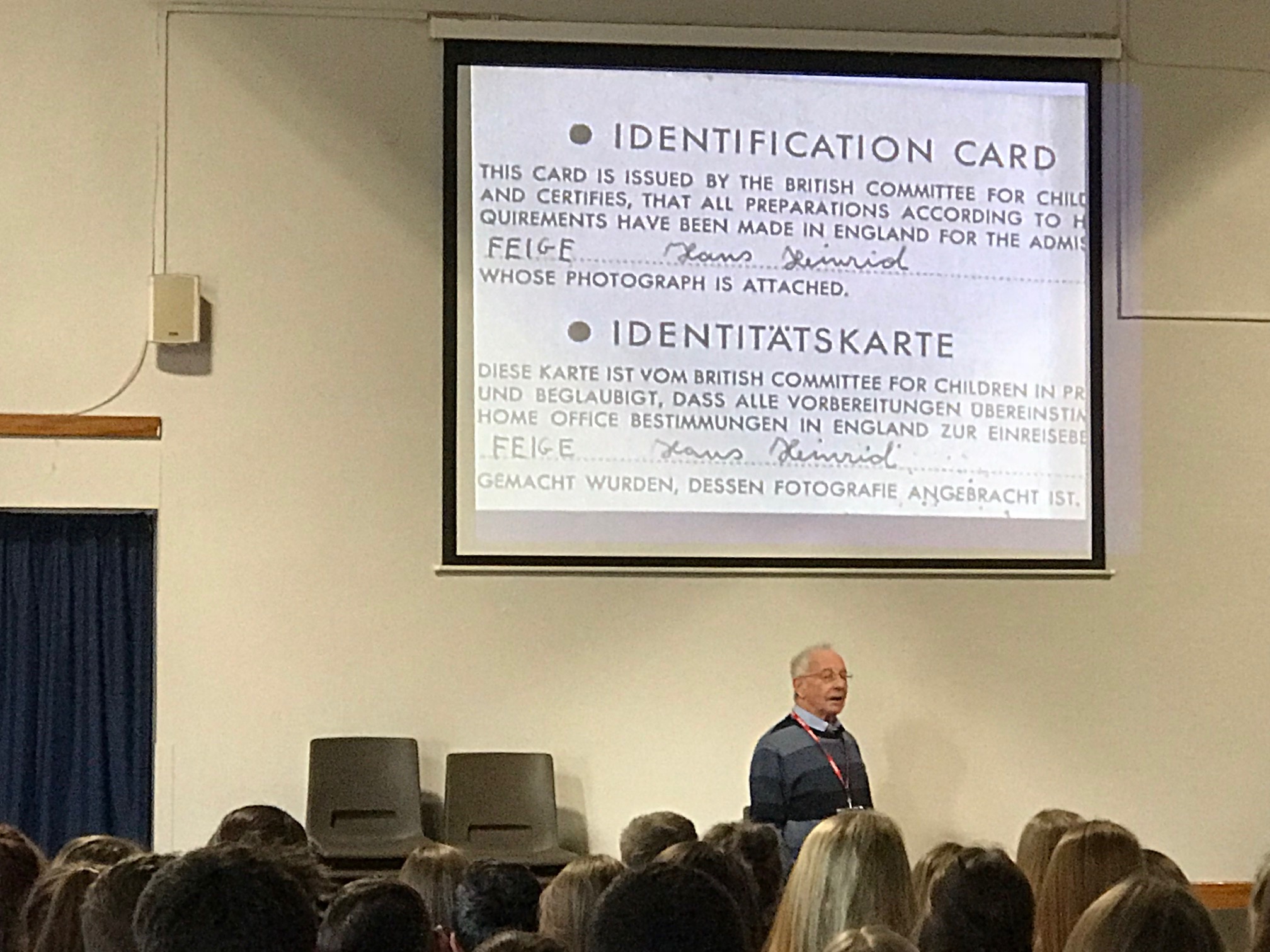
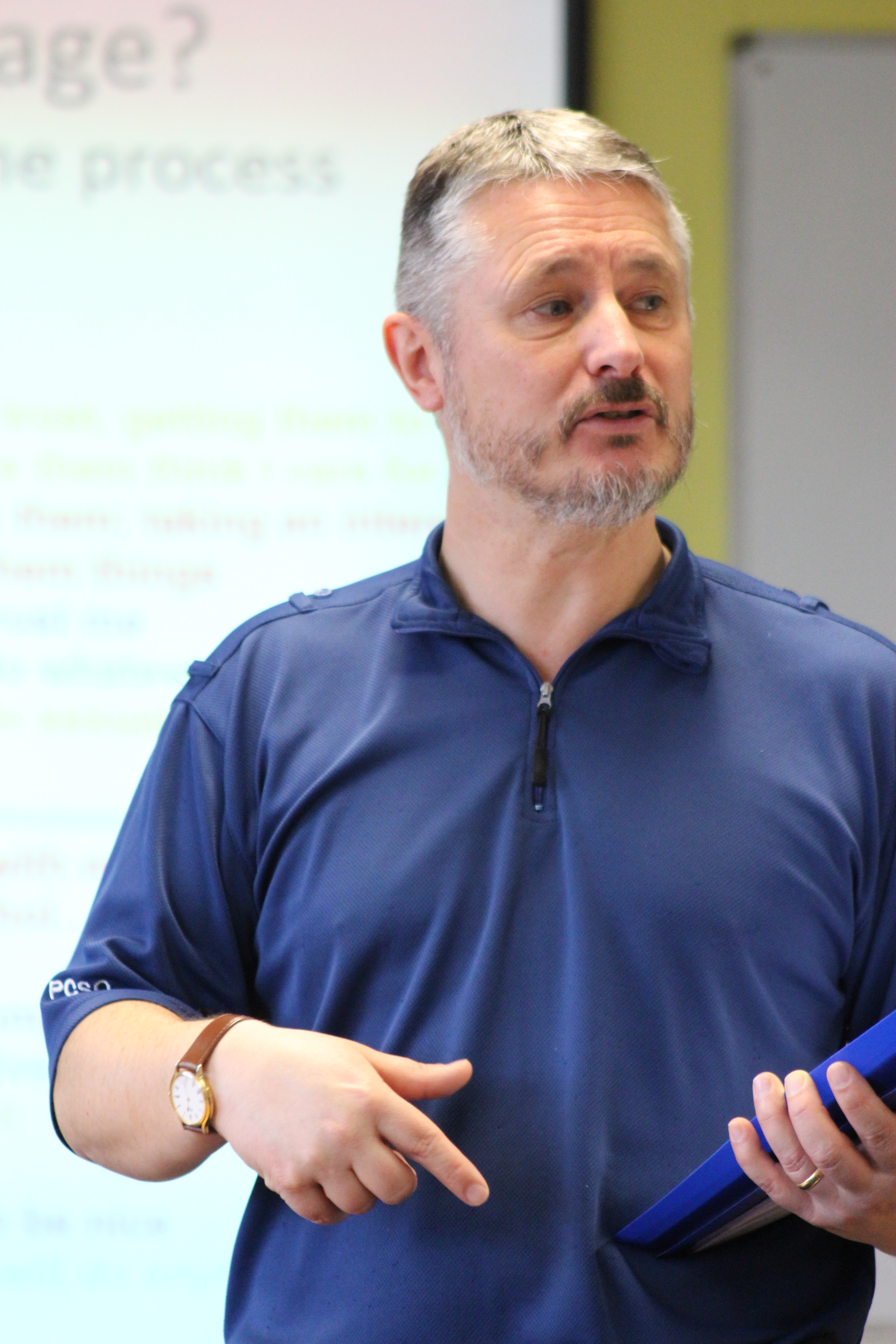
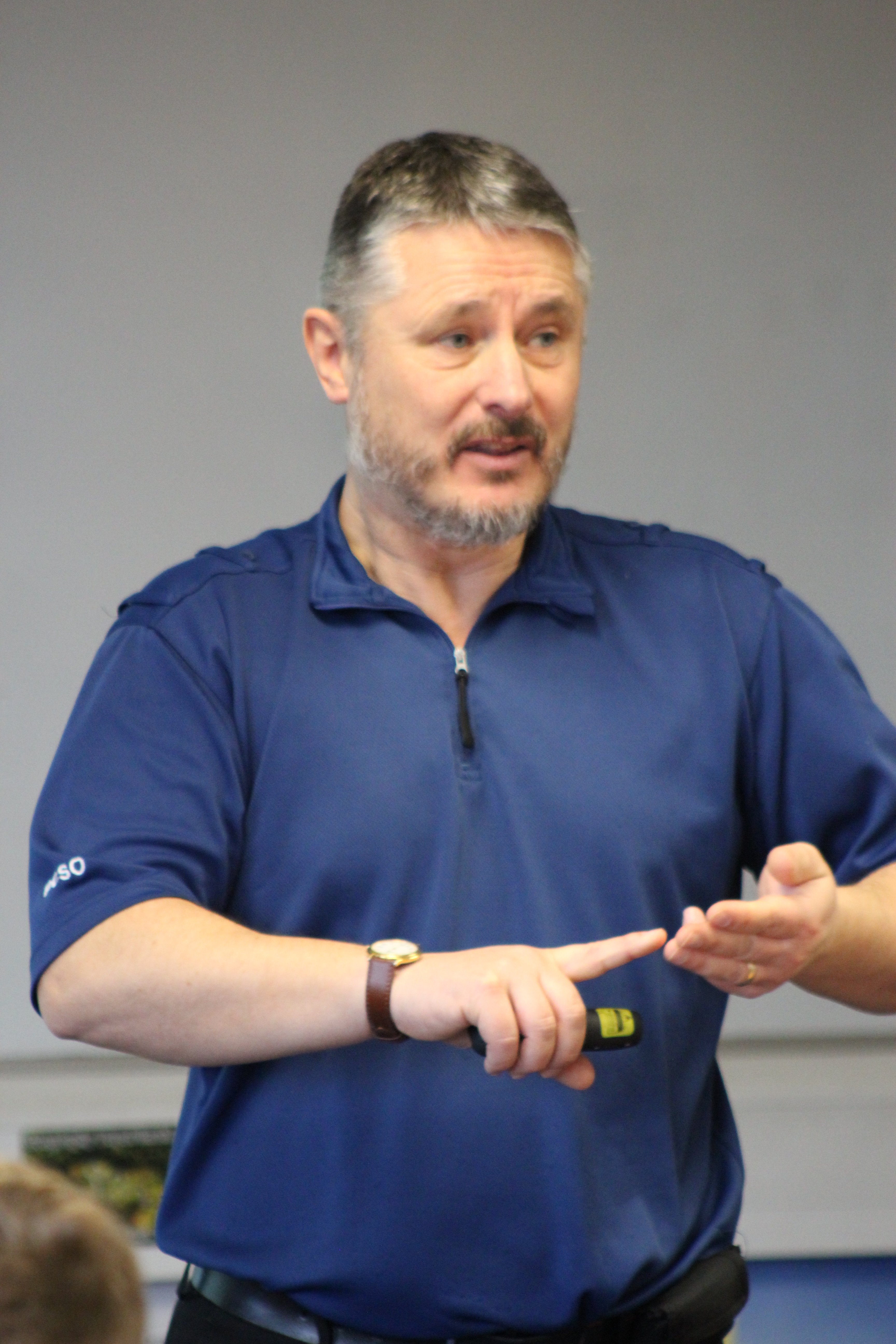
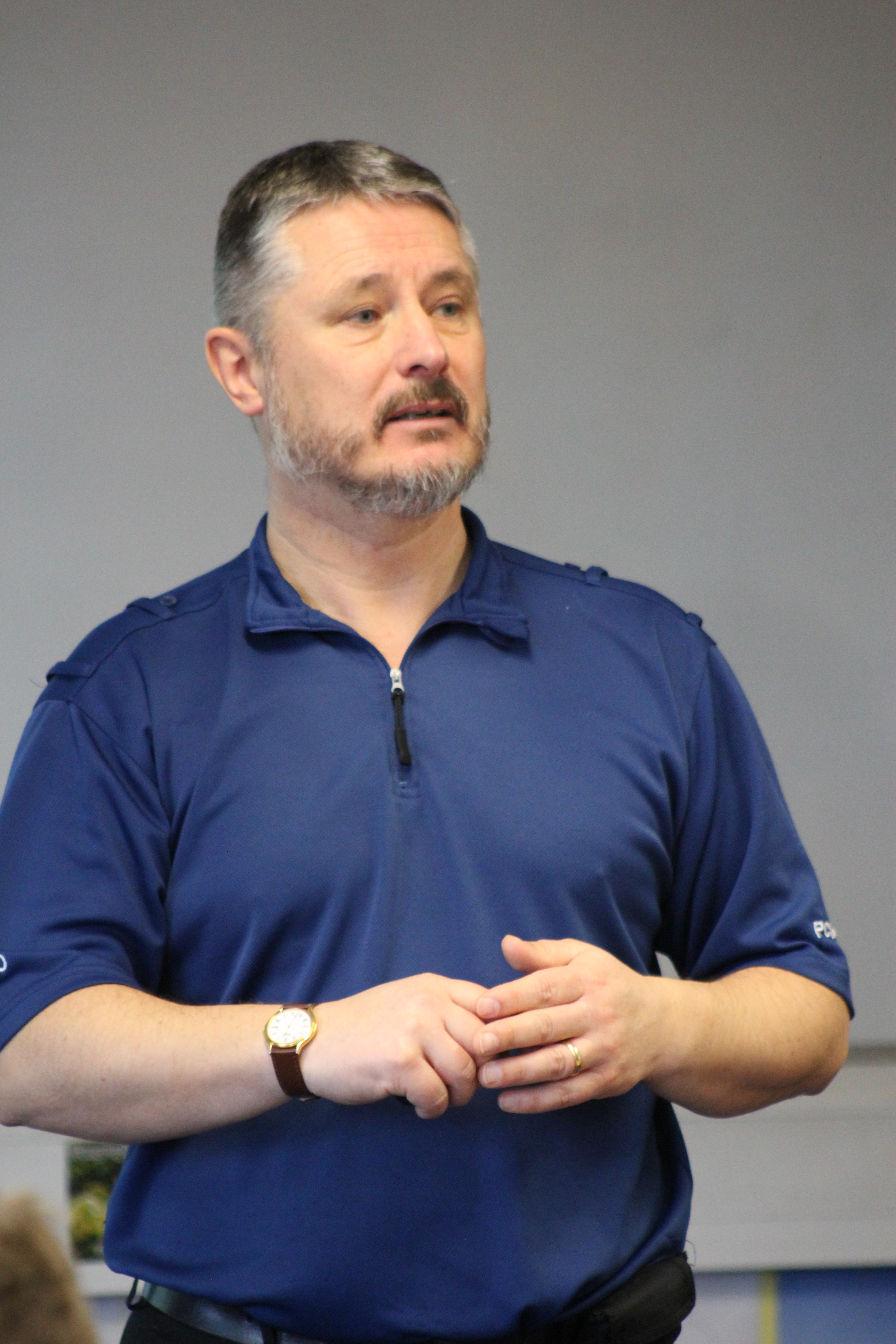
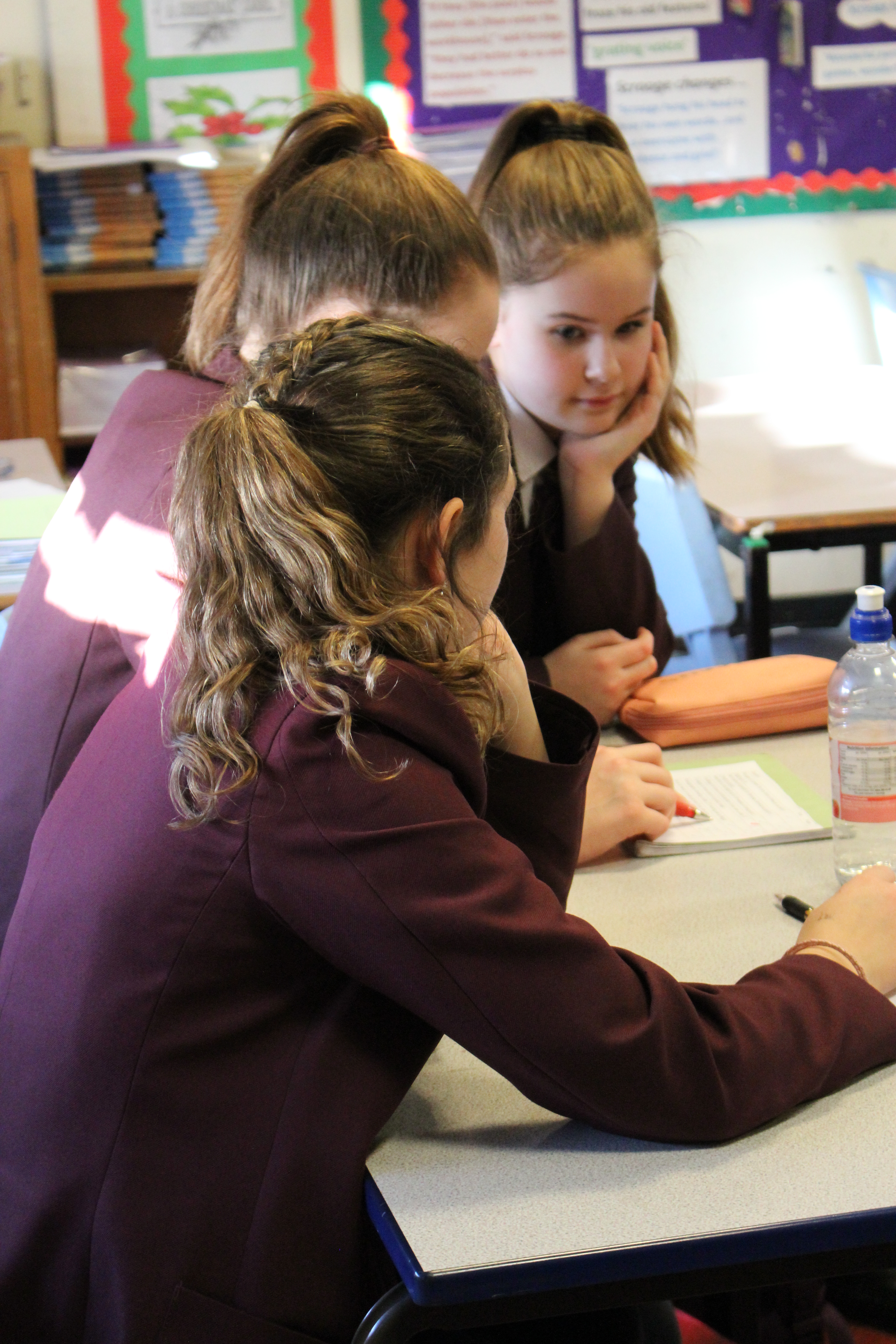
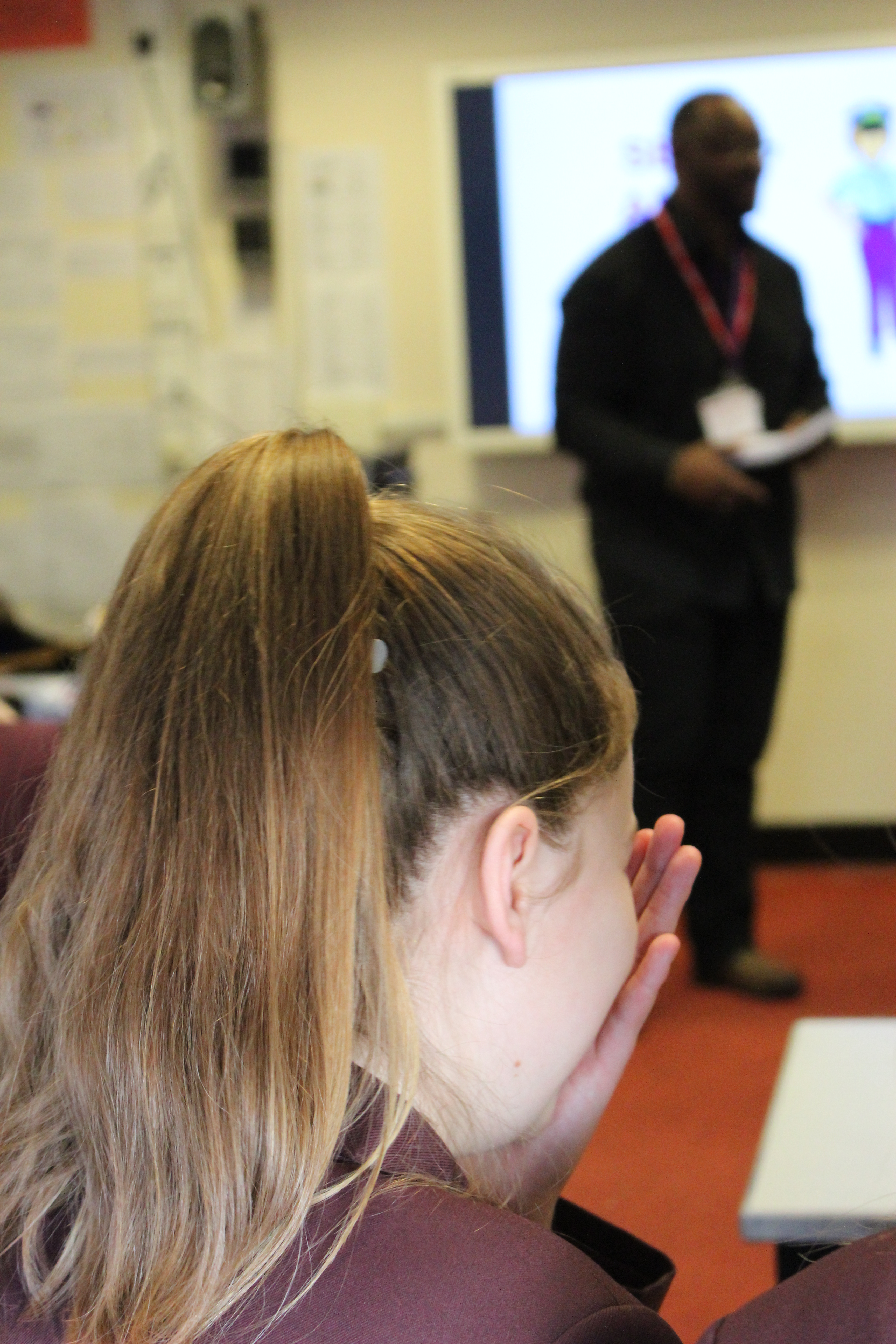
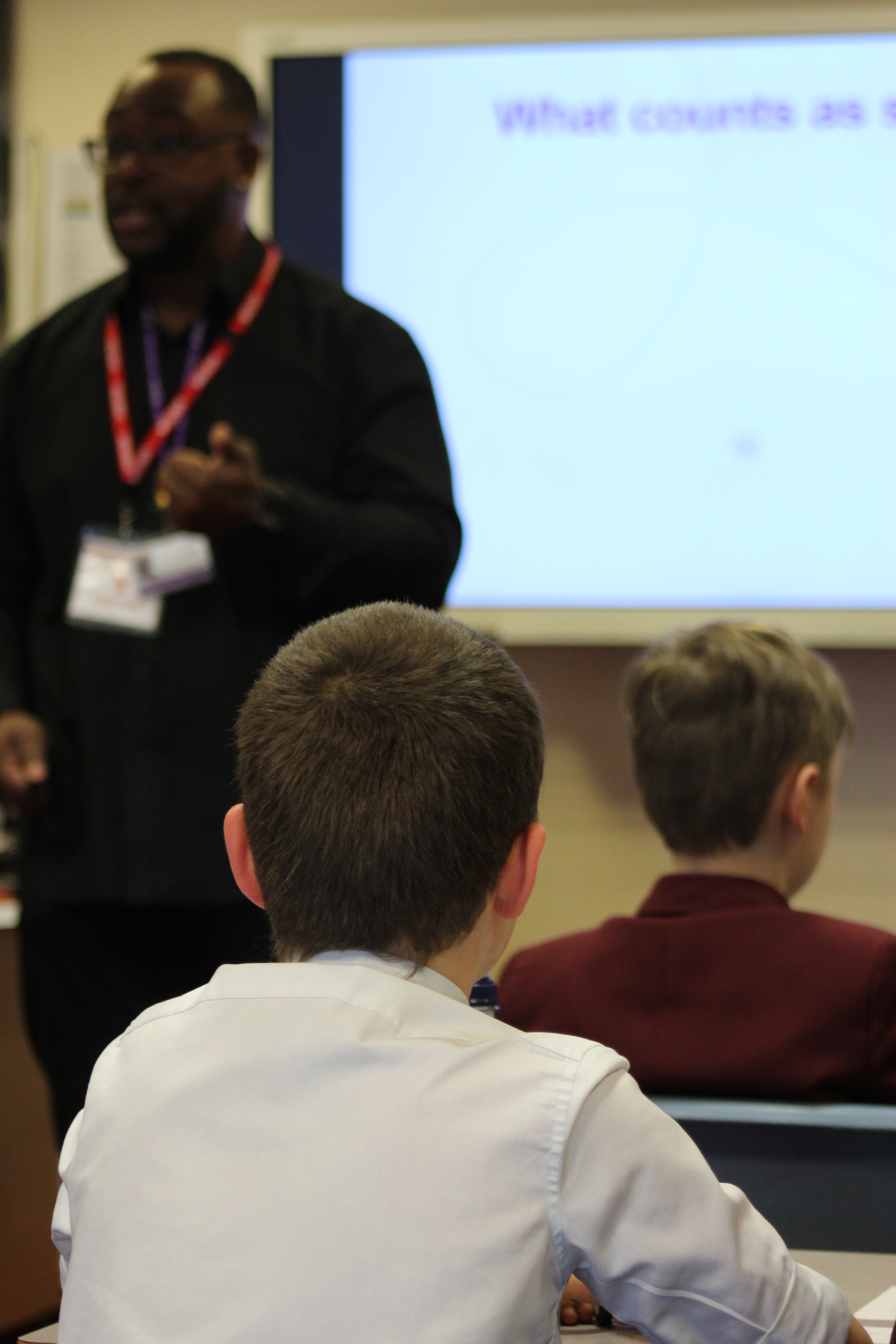
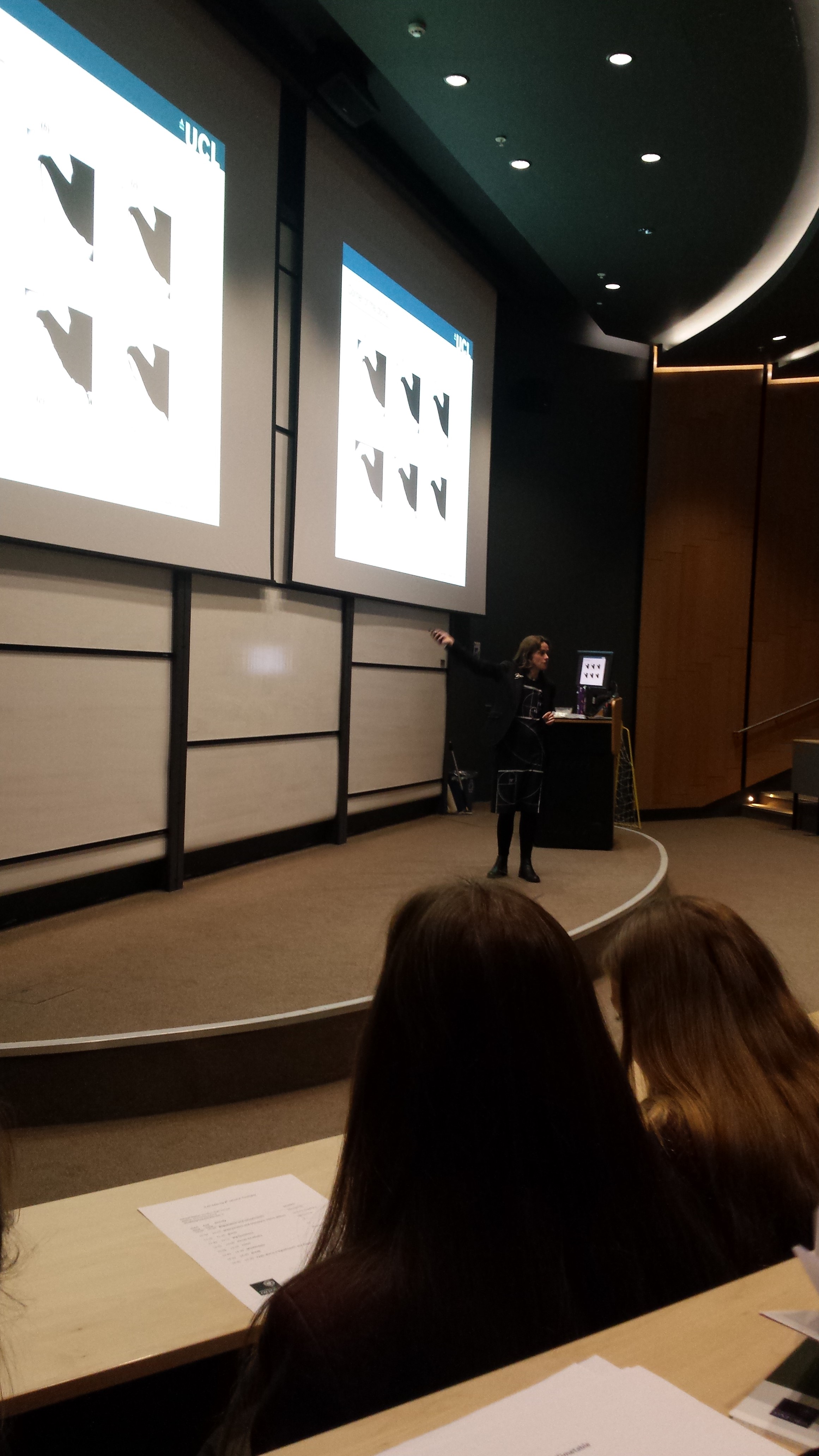
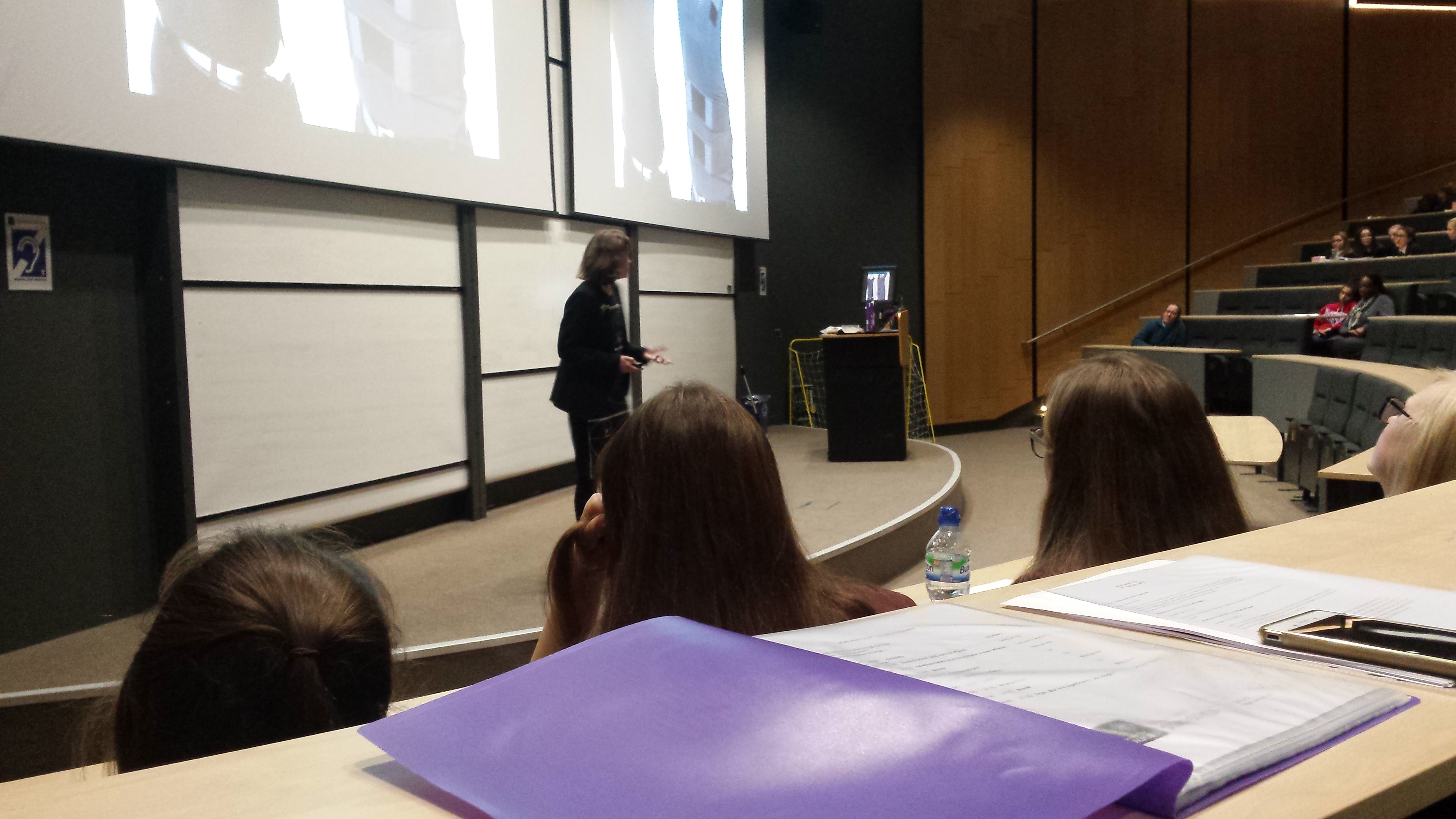
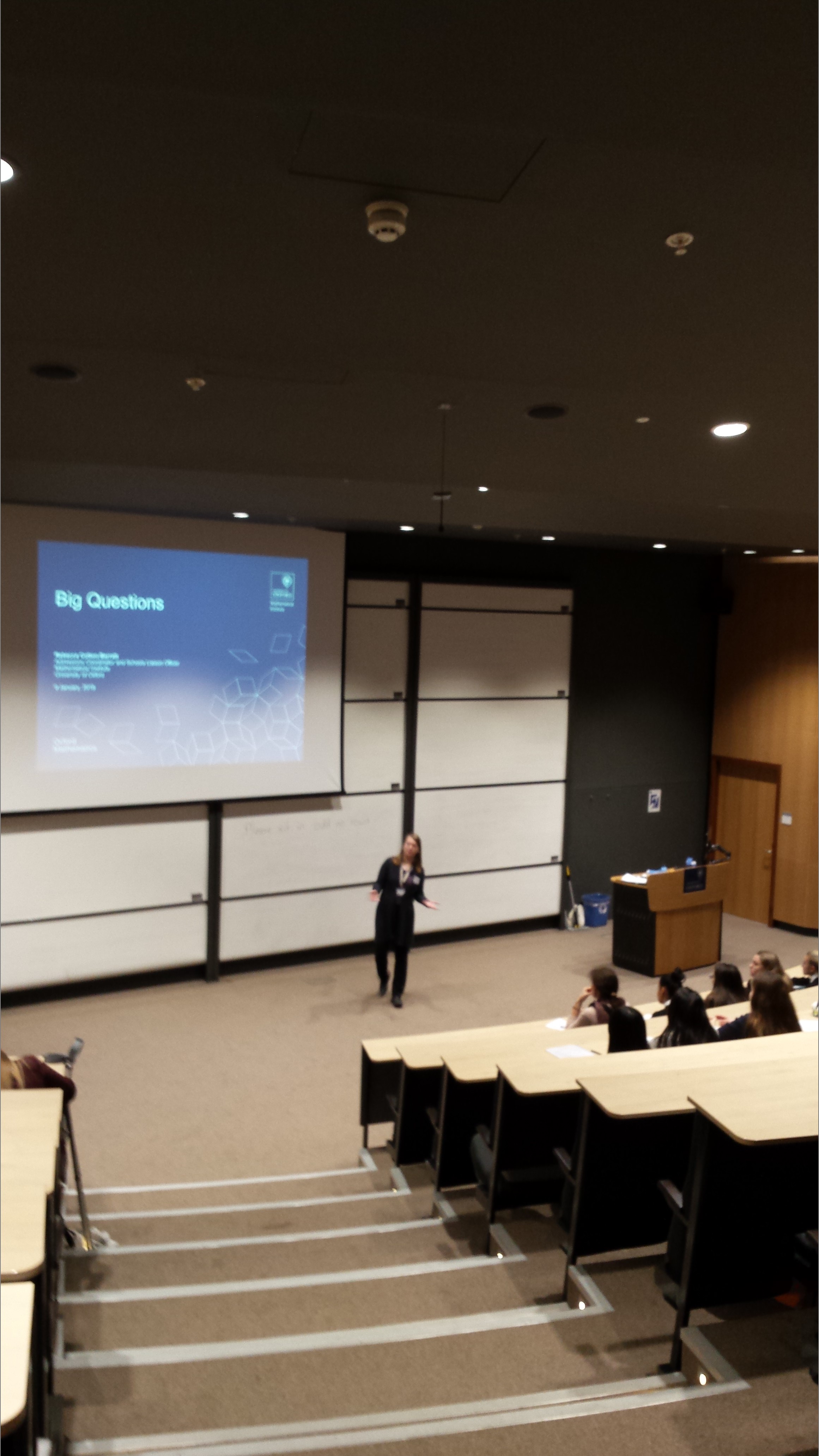
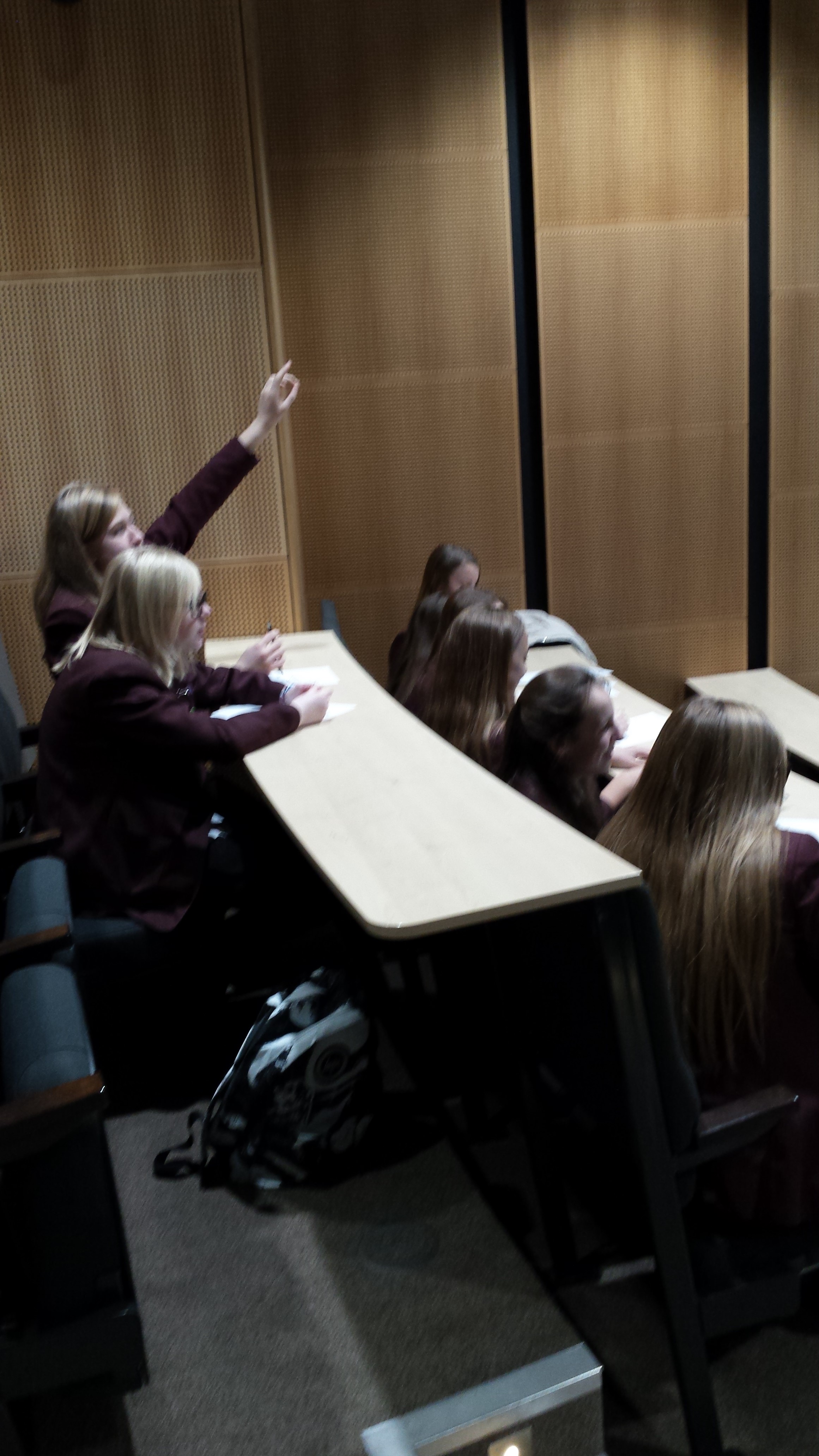
On Monday 22nd January 2018, 150 Year 10 students were privileged to listen to the testimony of John Fieldsend. The 86-year-old, who was born Hans Heinrich Feige, told his story as part of a visit organised by the History department and the Holocaust Educational Trust to mark Holocaust Memorial Week.
We too won’t be spared and will go bravely into the unknown with the hope that we shall yet see you again when God wills.
These are the chilling and heartbreaking words discovered by Holocaust survivor John Fieldsend in a letter from his parents who both died at Auschwitz during the Second World War.
He was just seven-years-old when he was forced to say farewell to them and escape from Czechoslovakia to England as part of a rescue mission to save hundreds of Jewish children in the lead up to the war. Born into a Jewish family in Czechoslovakia during 1931, Mr Fieldsend and his then 10-year-old brother Gert, left behind their mother Trude and father Curt and travelled to England by Kindertransport, via train and boat, in 1939 to be fostered by two separate families.
The German-Czech family, had fled to Czechoslovakia from Germany in 1937 to escape anti-Jewish persecution, only to find themselves again under threat. The retired Anglican vicar, who converted from Judaism as a young man, was given a wristwatch by his mother before boarding the train and setting off for his final destination of Sheffield, where he was fostered by Leslie Cumpsty, a colliery manager, and his wife, Vera.
“It was a bit scary at the time. I was only seven.” For a short while, he was able to keep in contact with his parents through letters with a limited word count. He was a teenager when a package arrived in 1946.Someone had discovered a collection of photograph albums in his grandparents’ house in Czechoslovakia, and asked the International Red Cross to find the rightful owner. Inside one album, in a letter his mother had written: “Dear boys, when you receive this letter the war will be over. We want to say farewell to you who were our dearest possession in the world.”
She added that in December 1942 ‘it will be our turn, and the time has therefore come for us to turn to you again and to ask you to become good men and think of the years we were happy together. We are going into the unknown’. His father had also written: “We too won’t be spared and will go bravely into the unknown with the hope that we shall yet see you again when God wills. Don’t forget us and be good. I too thank all the good people who have accepted you so nobly.”
After the war, Mr Fieldsend remained with his foster family, moving with them around the UK. “As children, we just wanted to get on with life,” he said. “We ended up moving to Wakefield.” Through researching records much later on in his life, he discovered his parents died at Auschwitz concentration camp in Poland, he believes in gas chambers.
The grandfather-of-seven, who married his wife Elizabeth in 1961, said: “I think it’s important that the younger generation learns first hand about what happened”. More than 600 children were saved by the Kindertransport rescue effort, which had been organised by British humanitarian Sir Nicholas Winton. The former stockbroker abandoned a planned holiday to answer a call for help from a friend in Czechoslovakia engaged in saving Jews from the Nazis. He worked in Prague, helping to prepare children for evacuation to Britain before returning to London to organise their resettlement.
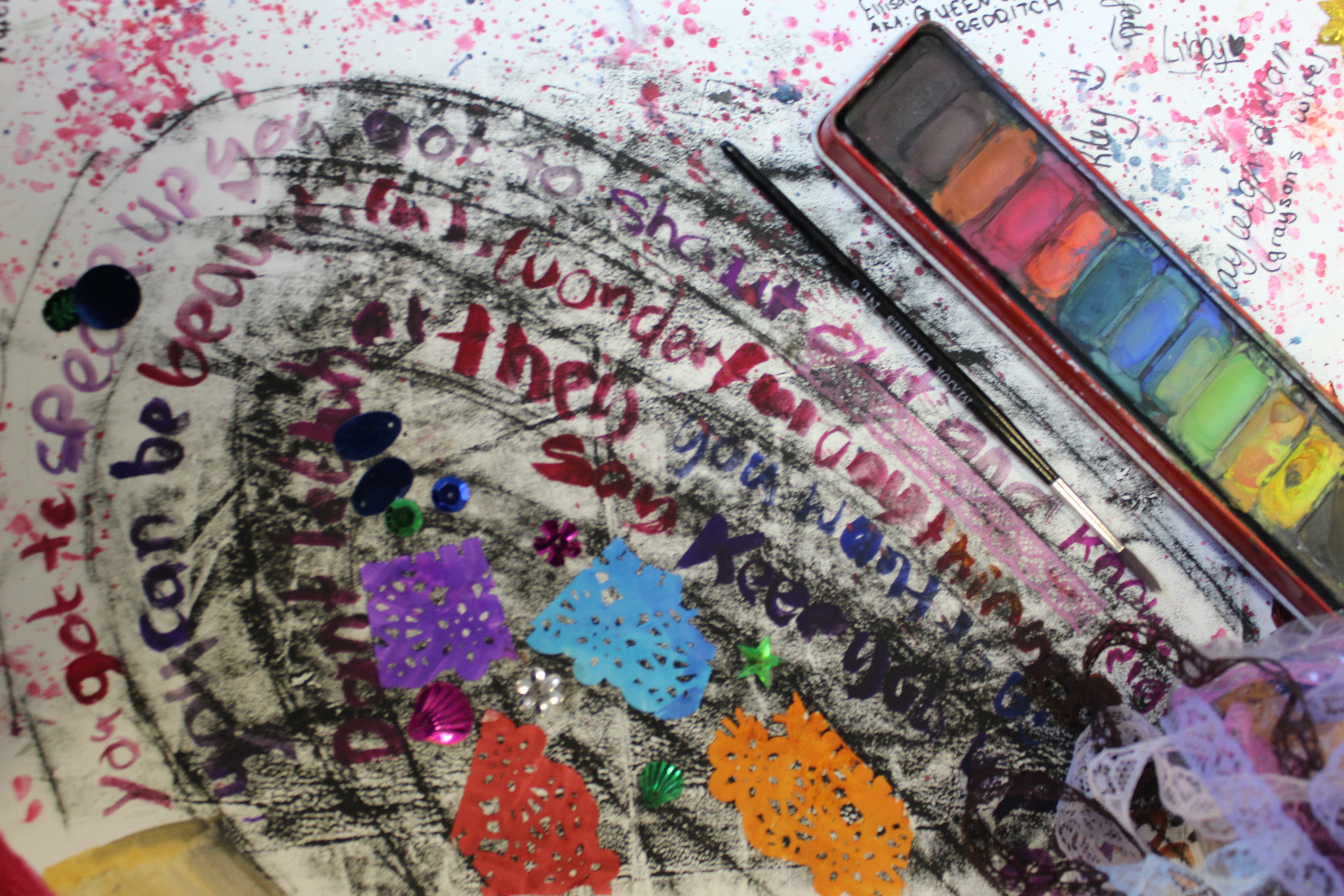
Studley students shared a question and answer session with John before closing and being asked to remember (in line with the Holocaust Memorial Day theme) that the power of words, and their words in particular, can have huge implications in the world we live in. Students and staff alike were challenged to use their words carefully and challenge any words which help reinforce prejudice and hatred in the world that we live.